Car keys · Toronto
Motorcycle & Scooter Keys
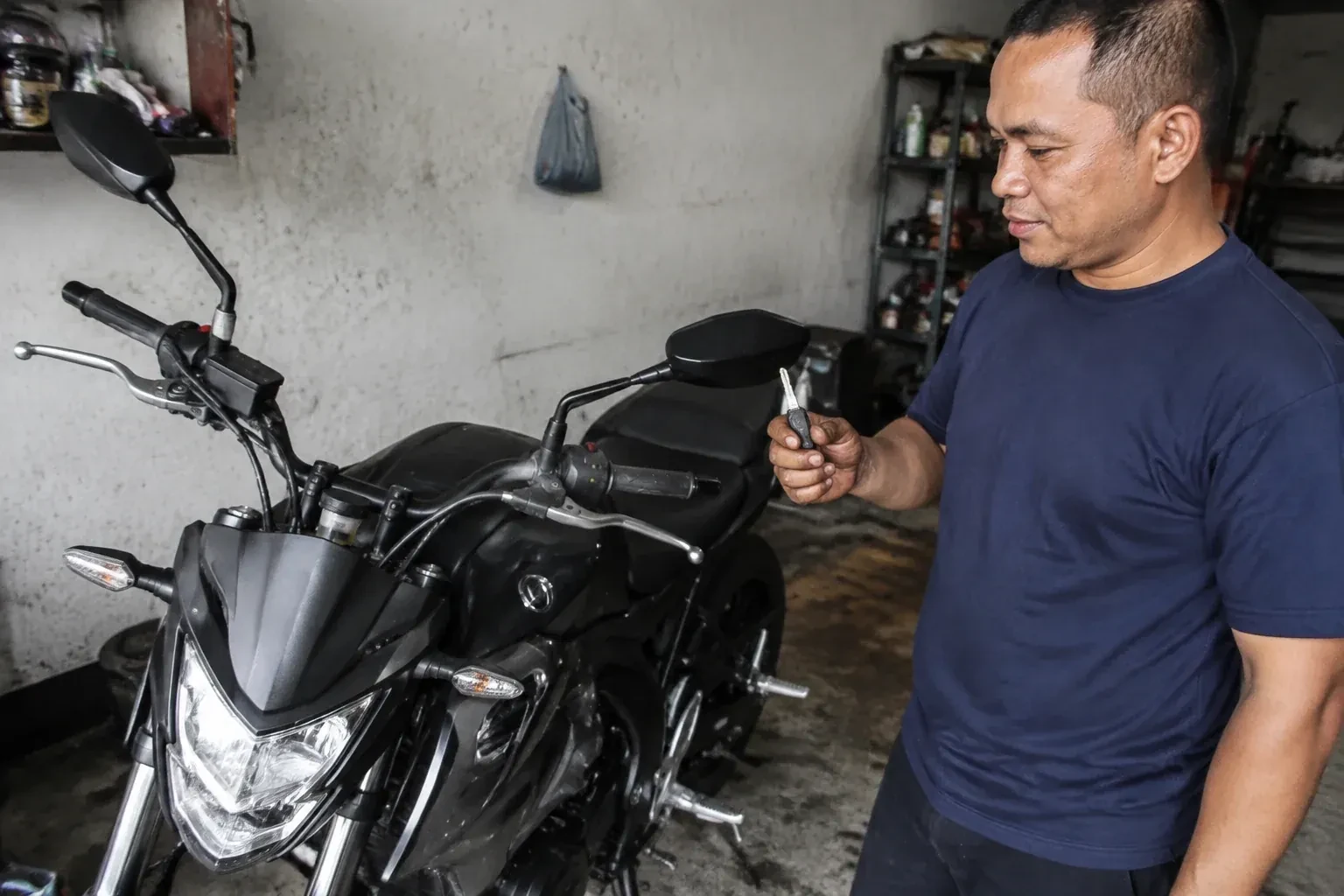
The bike came home from its previous owner with a single worn key that starts the engine but does nothing for the seat latch or the fuel cap, both of which answer to keys nobody handed over.
In plain words
Motorcycle and scooter key service is the work of producing a key that a two-wheeled machine will actually accept, whether that means cutting a plain blade, decoding an ignition lock with no key at all, or programming a transponder that talks to the engine control unit. The locksmith starts by confirming who is asking, then reads the lock and, where fitted, the immobiliser, before choosing whether to cut from an existing key, decode from scratch, or pair a new chip. On many machines the same visit also brings the seat, fuel cap and any storage locks onto the same key as the ignition.
How the visit goesThe bike came home from its previous owner with a single worn key that starts the engine but does nothing for the seat latch or the fuel cap, both of which answer to keys nobody handed over.
Motorcycle & Scooter Keys
How the visit goes
Confirming who is asking
Before any lock is touched, the locksmith confirms that the person requesting a key has a real connection to the machine: vehicle registration, an insurance document that matches the plate, or a bill of sale for a recent purchase all work. Where paperwork is not on hand, a dealership record, a family member who can vouch for the owner, or a photo of the machine alongside identification often fills the gap. This step takes only a few minutes and stands ahead of any cutting, decoding or programming, since a working key is something that should only ever go to the person meant to hold one.
Cleaning and servicing a corroded lock
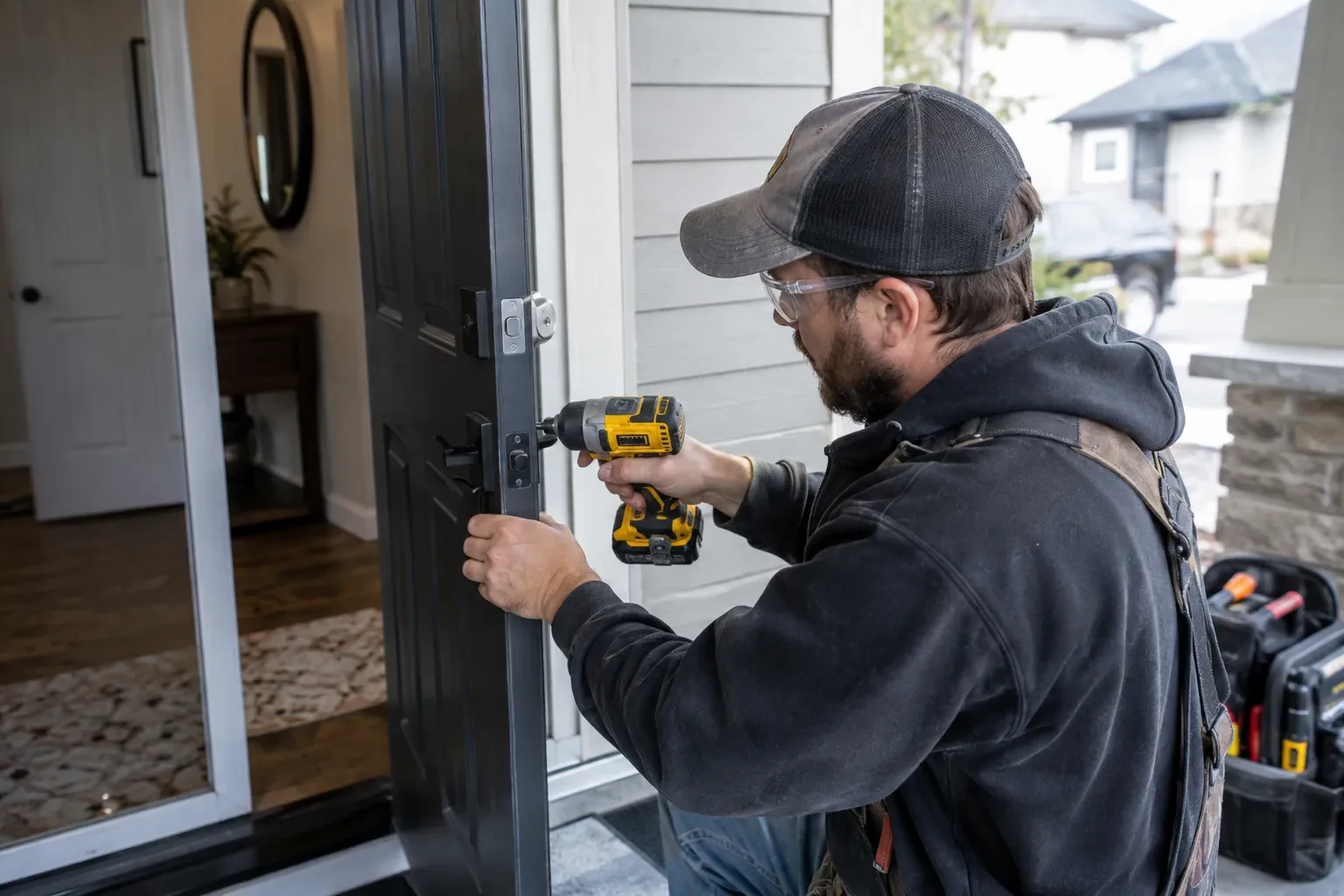
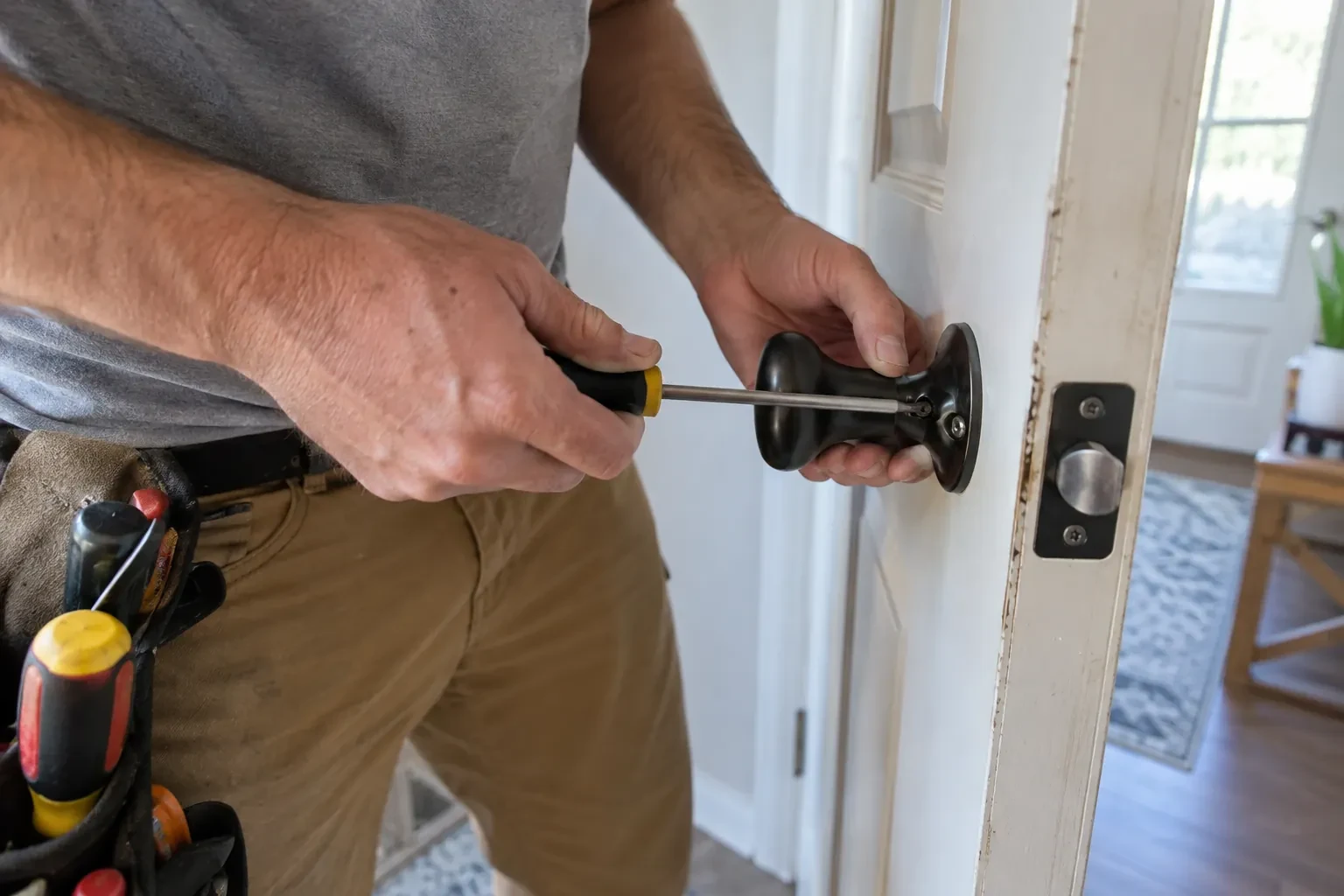
A lock gummed up by road grit or old grease is stripped down, its wafers and springs cleaned individually, and the keyway itself cleared of anything trapped against the wafers. Corrosion on a wafer's edge is worked off carefully rather than scraped away roughly, since removing metal changes the depth the key needs to lift it to. Once the mechanism moves freely again, it is dressed with whatever lubricant its own maker specifies, reassembled, and tested with the customer's key before the locksmith considers the lock itself resolved rather than simply hidden under a new cut.
What the immobiliser now expects
On a machine with an immobiliser, the electronics now recognise every key that was paired during the visit and nothing else, which is worth knowing if an old key turns up later: it will still fit the ignition mechanically but will not start the engine on its own. Any spare transponder key made afterward should go through the same pairing process rather than being assumed to work by shape alone. Keeping a note of how many keys are currently paired to the machine makes a future visit, whether for a lost key or an added spare, easier to sort out.
Motorcycle & Scooter Keys
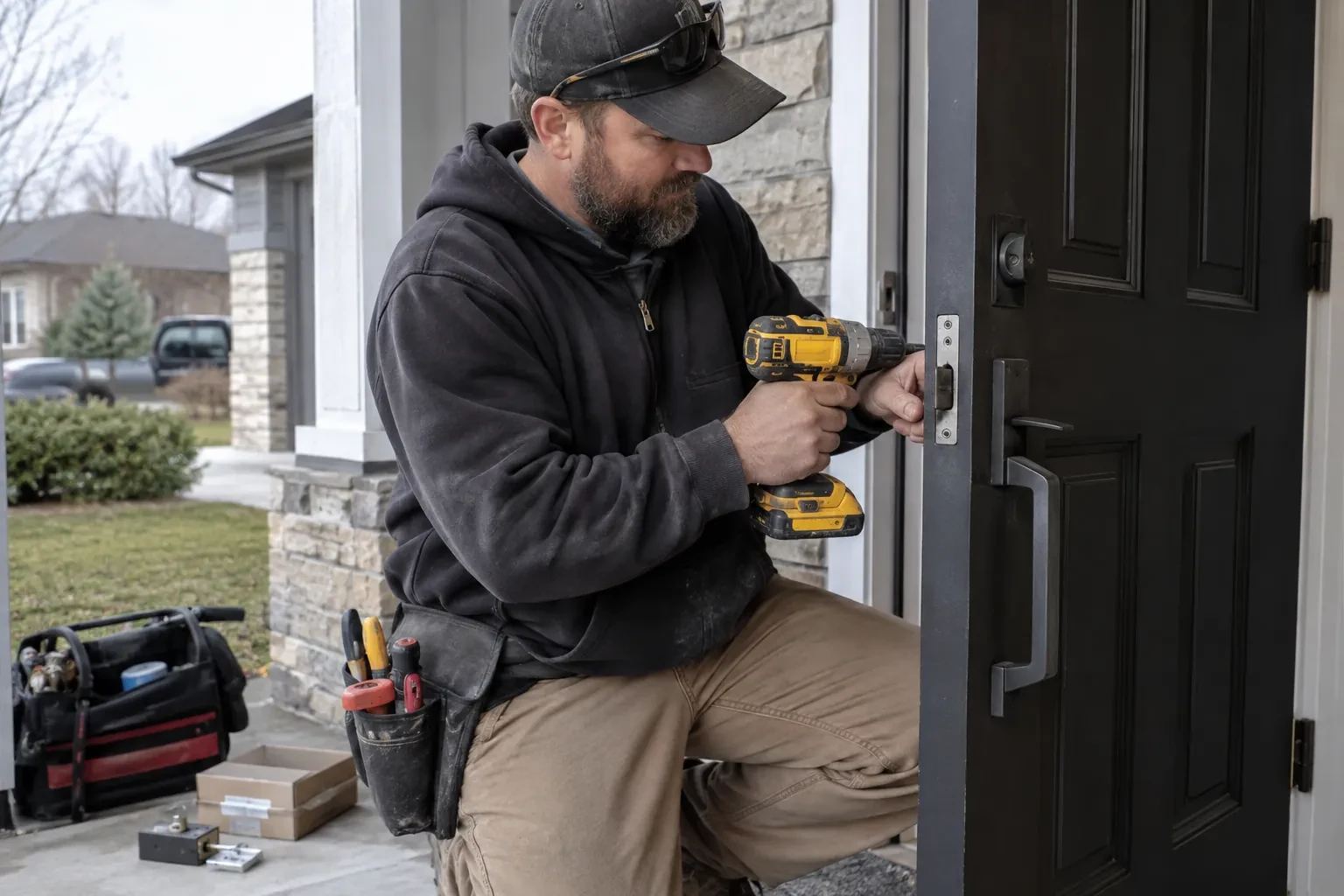
In the van
Motorcycle key blanks
Manufacturer-approved lock cleaner or lubricant
Contact cleaner
Penetrating fluid
Transponder programming unit
Motorcycle & Scooter Keys
What affects the quote
Make, model and age of the machine
Make, model and age decide how common the keyway and blank are. A widely used platform is usually the more straightforward case; an uncommon or older machine can take longer to source parts for.
Transponder and fob hardware
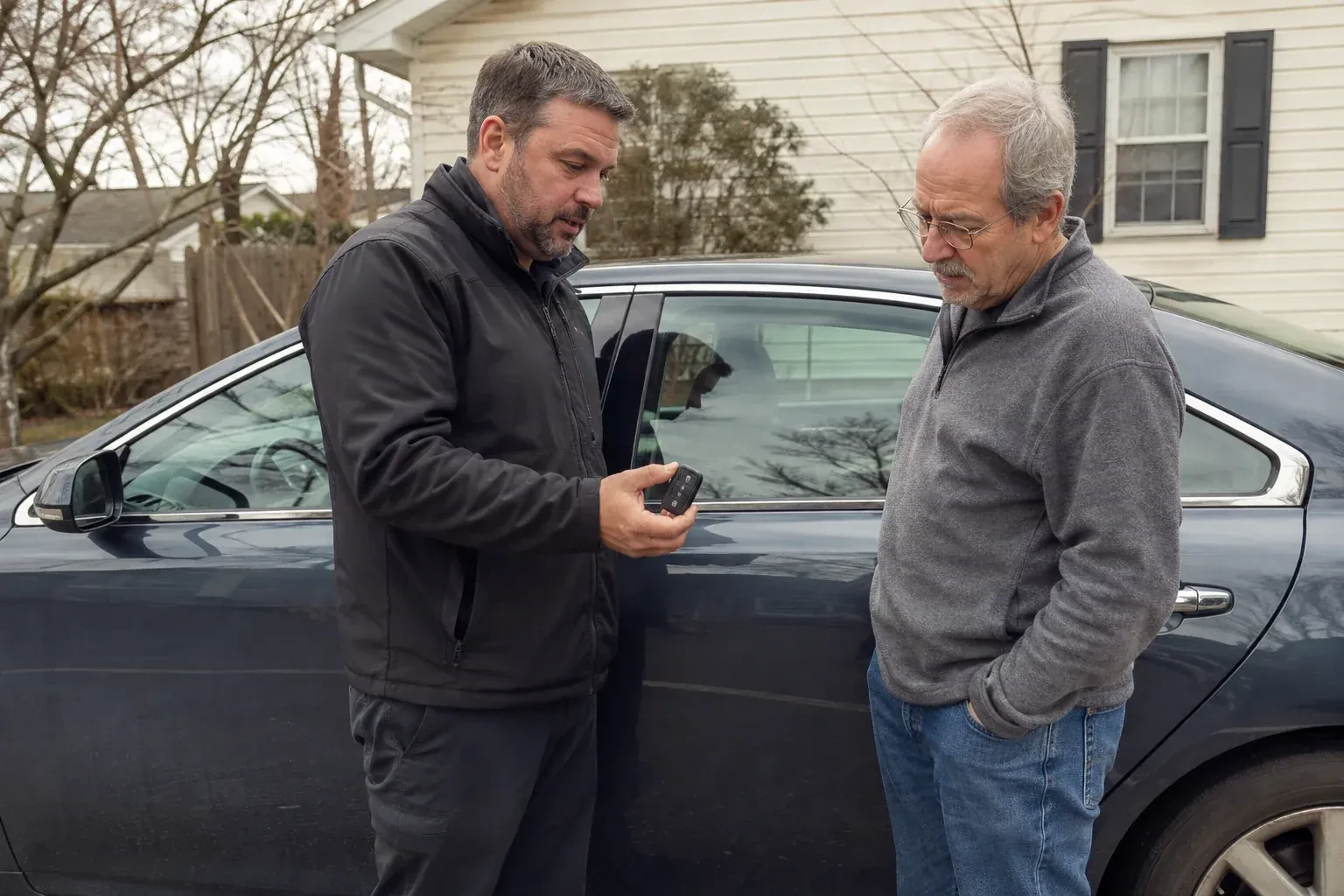
A transponder key needs a chip and, on some systems, a fob shell in addition to the cut blade, and that hardware is a separate line from a plain mechanical key.
Whether an immobiliser is fitted
A machine with an immobiliser needs its electronics paired as well as its lock cut, which adds equipment and testing beyond a purely mechanical key, and is reflected as its own step in the quote.
What to have ready
- Which locks need to be included: ignition, seat, fuel cap, storage?
- Has anyone already tried to cut or copy this key elsewhere?
- Is the machine's VIN accessible on the frame or paperwork?
Motorcycle & Scooter Keys: questions
QuestionsI bought a used bike with just one worn key. What happens now?
The locksmith first identifies every lock on the machine, ignition, seat and fuel cap included, and tests the key that came with it against each one. Whatever the existing key does not already cover is then cut or decoded to match, so the outcome is a complete, known set of keys rather than a single blade of uncertain history. It is a common situation and does not require any prior records to resolve.
What should I have ready before you arrive?
The make, model and year if known, the VIN if it is accessible, which locks are involved, and whether the engine cranks but does not start, which can point toward an immobiliser issue among other ordinary starting-system causes. Mentioning whether any key at all still exists, even a broken or poorly cutting one, changes what equipment comes along, since working from a key is a different job than decoding a lock with nothing to reference.
What is a good way to keep a spare key safe?
Somewhere away from the machine itself is the main principle: not under the seat, in a saddlebag, or taped inside a compartment, since those are the first places anyone checks. A drawer at home, a family member's keyring, or a small lockbox mounted separately all work. Testing the spare on the actual lock before relying on it confirms it will do the job the one time it is needed.
Related services
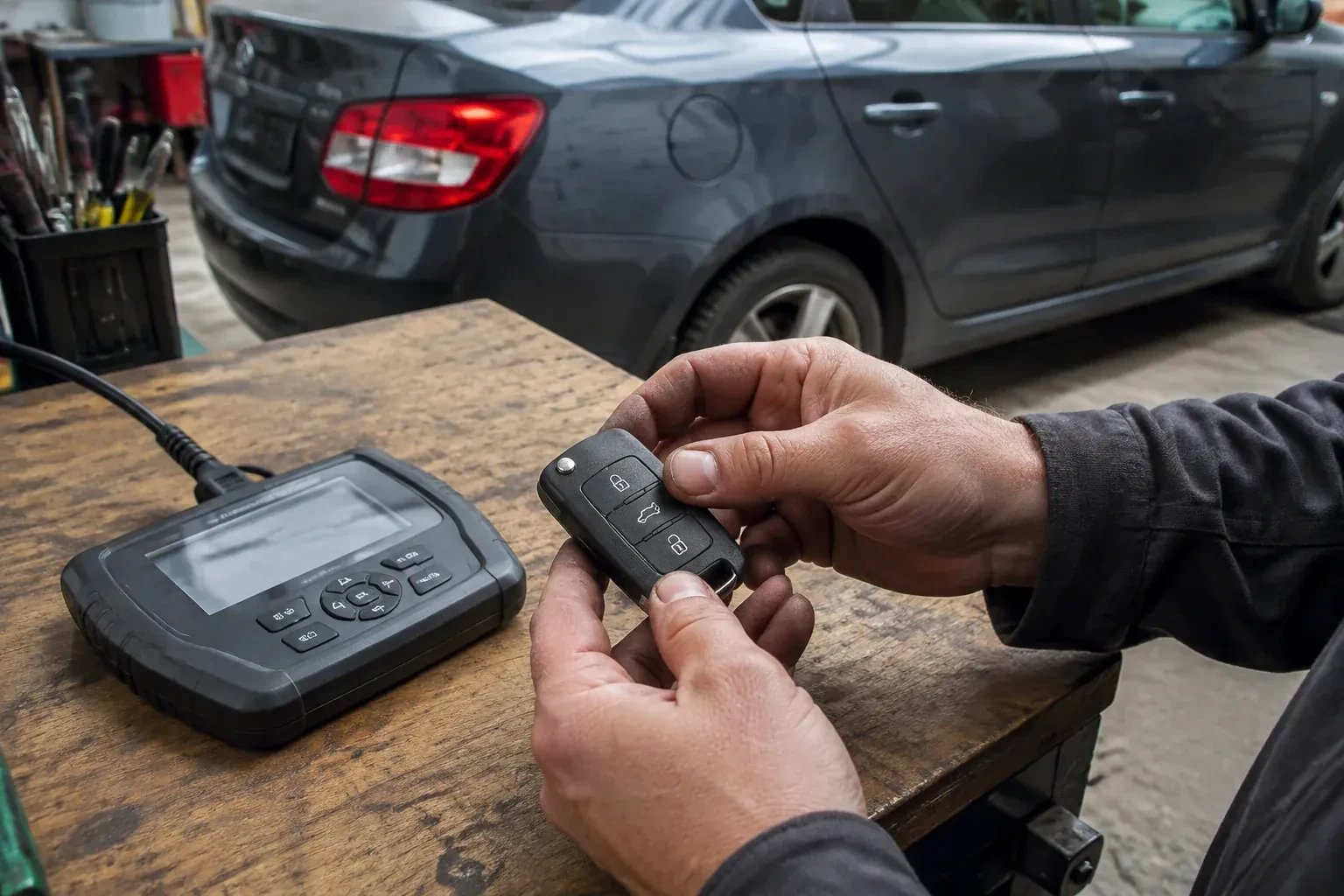
- Car Key ReplacementThe fob went through the washing machine in a jacket pocket.
- Spare Car Key DuplicationThe paperwork for the used car changed hands last week, and the previous owner mentioned, almost as an afterthought, that a second key never turned up.
- Key Fob ProgrammingThe remote clicks the way it always has, but the vehicle no longer locks, unlocks or answers with its usual chirp.