Lockouts · Toronto
Home Lockout Service
The key slides in and turns all the way round, but the bolt stays put.
In plain words
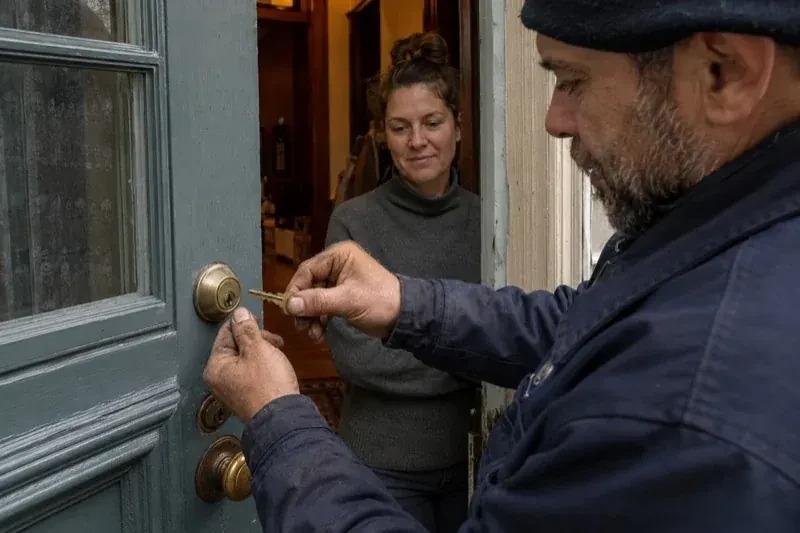
The visit follows a steady order. On the phone you describe the door, the lock and where the key went, which tells the locksmith what to bring. At the house, identification and address are checked and the lock is examined, including the door's fit in its frame. The opening itself comes next, using the least invasive technique that suits the hardware. Once inside, the lock is cycled several times to confirm it works, and you are told what was done. Any recommendation, such as rekeying because a key is missing, is explained then and carried out only if you want it.
How the visit goesYou reached the front step with the groceries, patted every pocket twice, and the house key is simply not there. It was on the ring this morning. Now the door is locked, the lights are off, and nothing you have on you opens it.
Home Lockout Service
How the visit goes
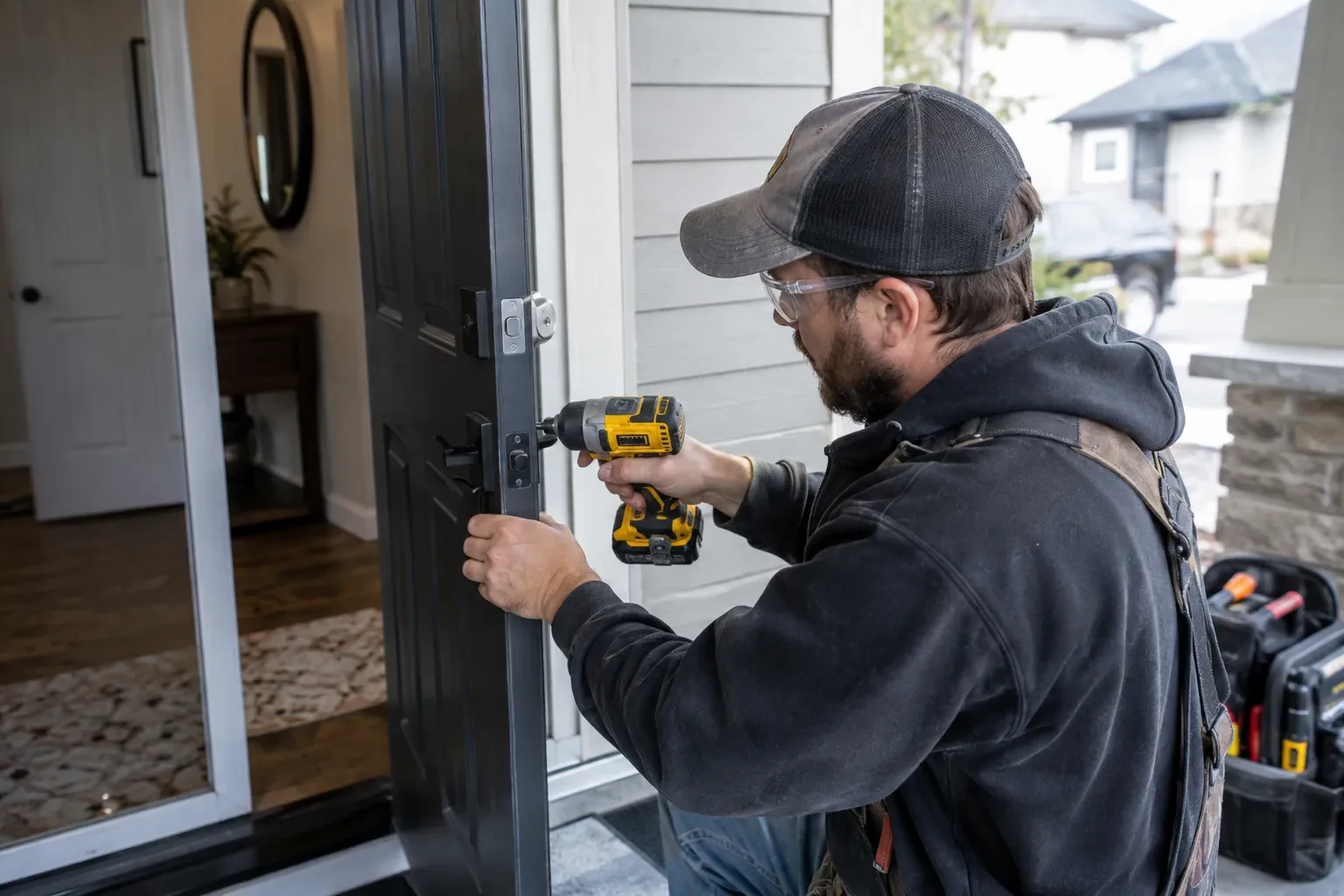
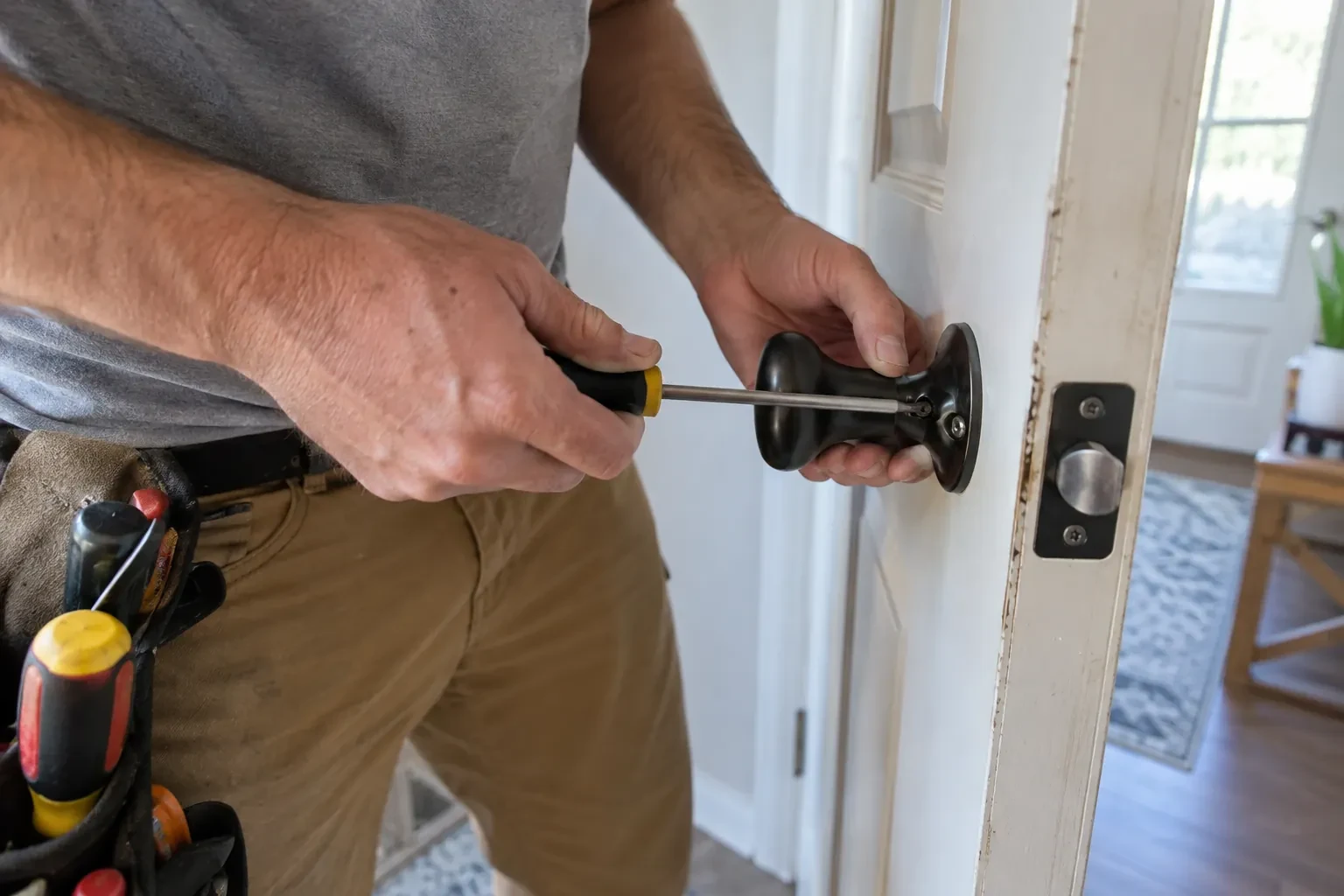
Checking a smart or keypad lock before opening it
Electronic locks get their own set of questions. Is the keypad completely dead or just refusing the code? Are there battery contacts on the outside that accept a nine-volt battery for a temporary boost? Is there a mechanical override cylinder behind a cover, and does anyone hold the key for it? Is the lock paired to an app that could unlock it from a phone, and has the phone been factory reset lately? These checks decide whether the door can be opened by simply restoring power, by using the override cylinder, or by treating it like any other lock. It also tells the locksmith what to reset once you are inside.
Freeing a frozen cylinder
Ice is handled with patience rather than force. The locksmith applies a lock de-icer or warms the cylinder face gently so the meltwater inside turns back to liquid and drains, then works the key or a pick in small movements until the plug turns freely. Hot water is never poured on the lock, because it refreezes in the keyway and can crack a cold cylinder. Once open, the cylinder is dried and given the lubricant that model's maker approves, a dry graphite, PTFE or specified liquid product, applied sparingly since too much can gum the mechanism. If the door itself had frozen to its weatherstripping, that seal is cleared and checked too.
A plan for the next time keys go missing
Most people leave a lockout with a resolution never to repeat it, and a few habits make that real. A spare key with a trusted neighbour or nearby relative is the classic answer. A small combination lockbox fixed somewhere discreet, with the code shared only with people you trust, is a step up and avoids the flowerpot and the door frame, which are the first places anyone looks. Households with keypad or smart locks can add a family member's code so a lost key is an inconvenience rather than an evening on the porch. The locksmith can fit a lockbox or program a code while still on site if you ask.
Home Lockout Service
In the van
Cylinder decoder
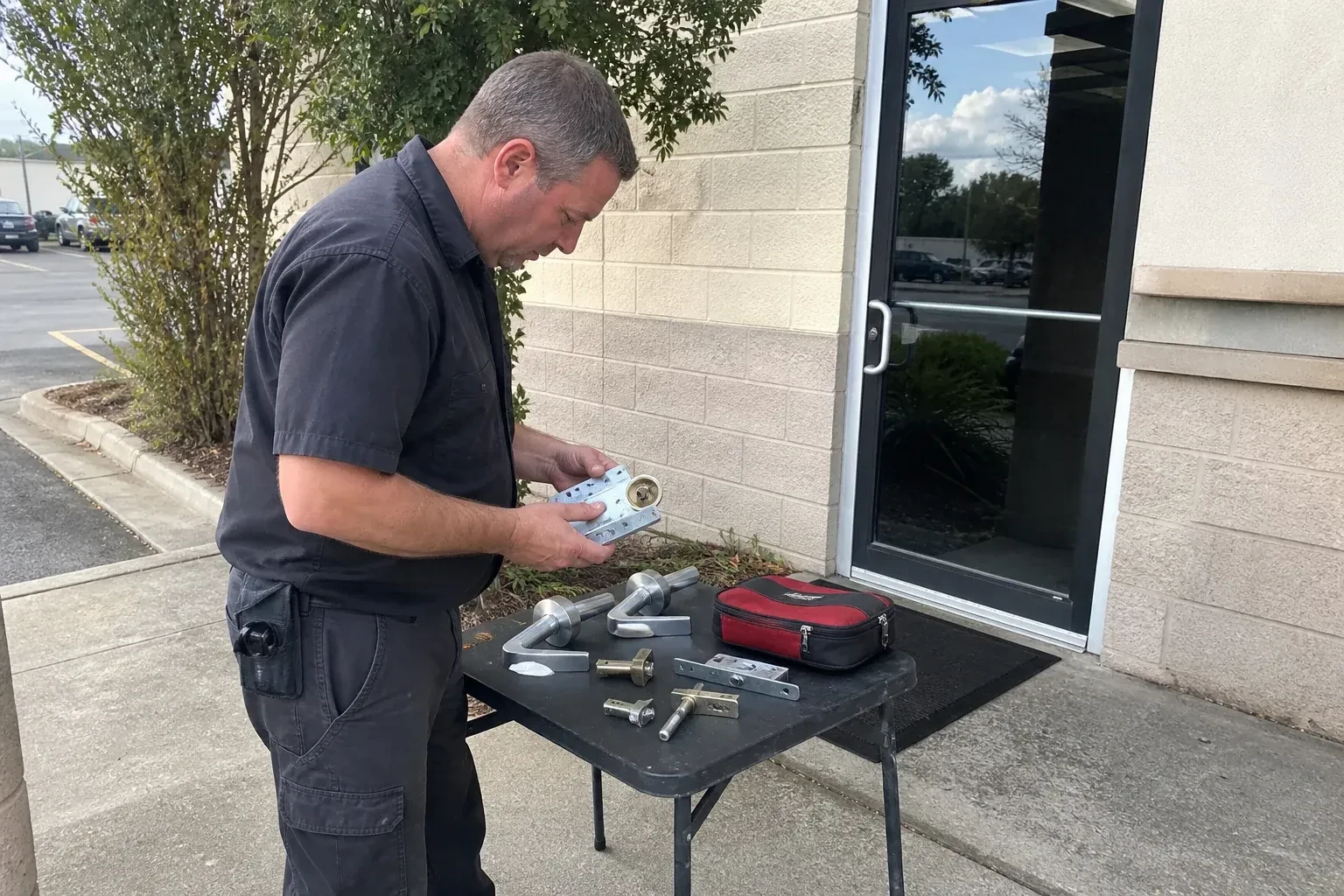
Replacement cylinder or deadbolt
Broken key extractors
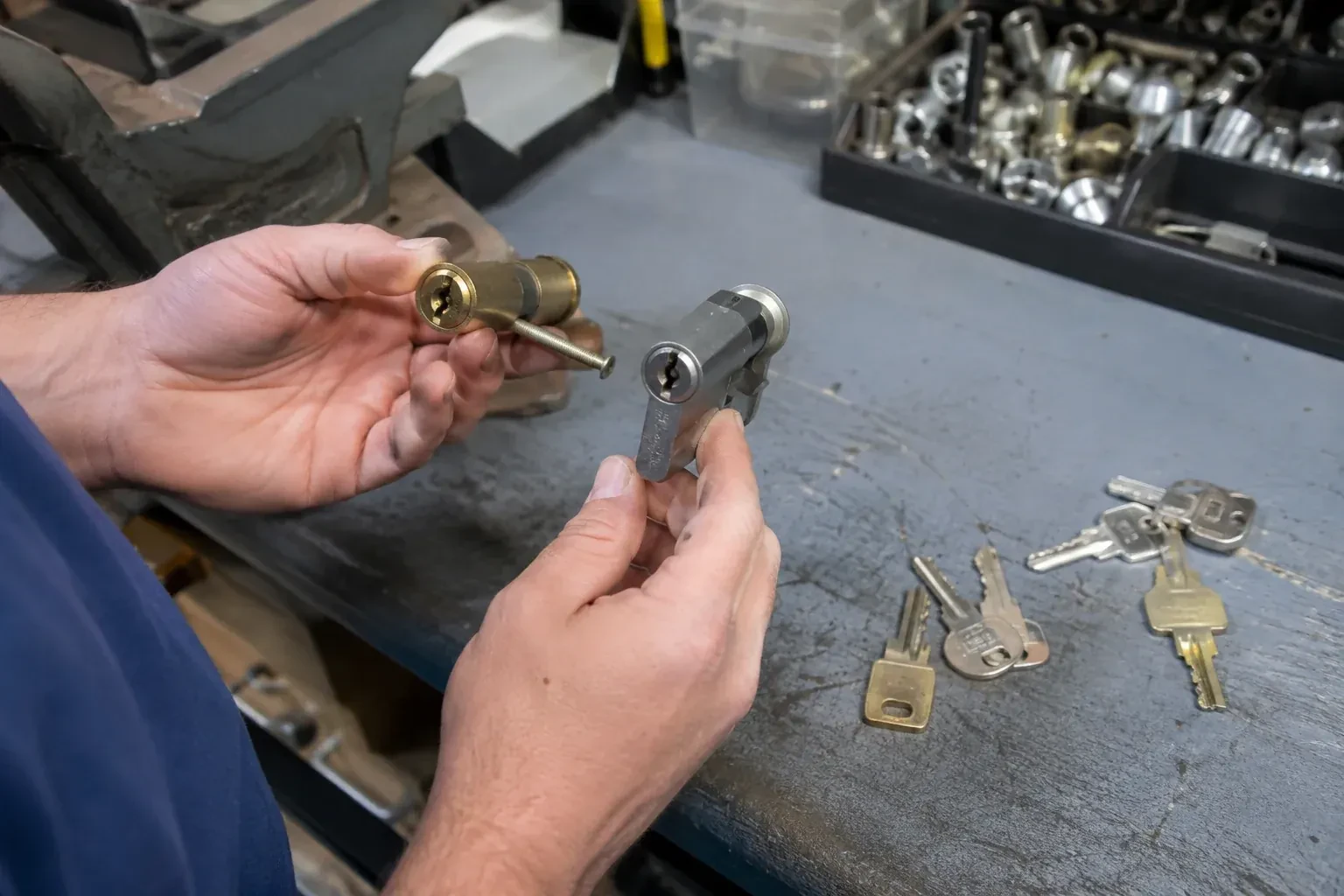
Plug follower and repinning kit
Lock de-icer
Home Lockout Service
What affects the quote
Door and frame adjustment
When the lockout was really a swollen or sagging door, fixing the cause means work on hinges, strike plate or weatherstrip. That adjustment is quoted as its own item alongside the opening.
How many locks need opening
One front door is the simplest case. A front door plus a garage man-door, a storm door that latched and a mailbox in the lobby is a longer visit with more hardware to work through.
Drilling and a replacement cylinder
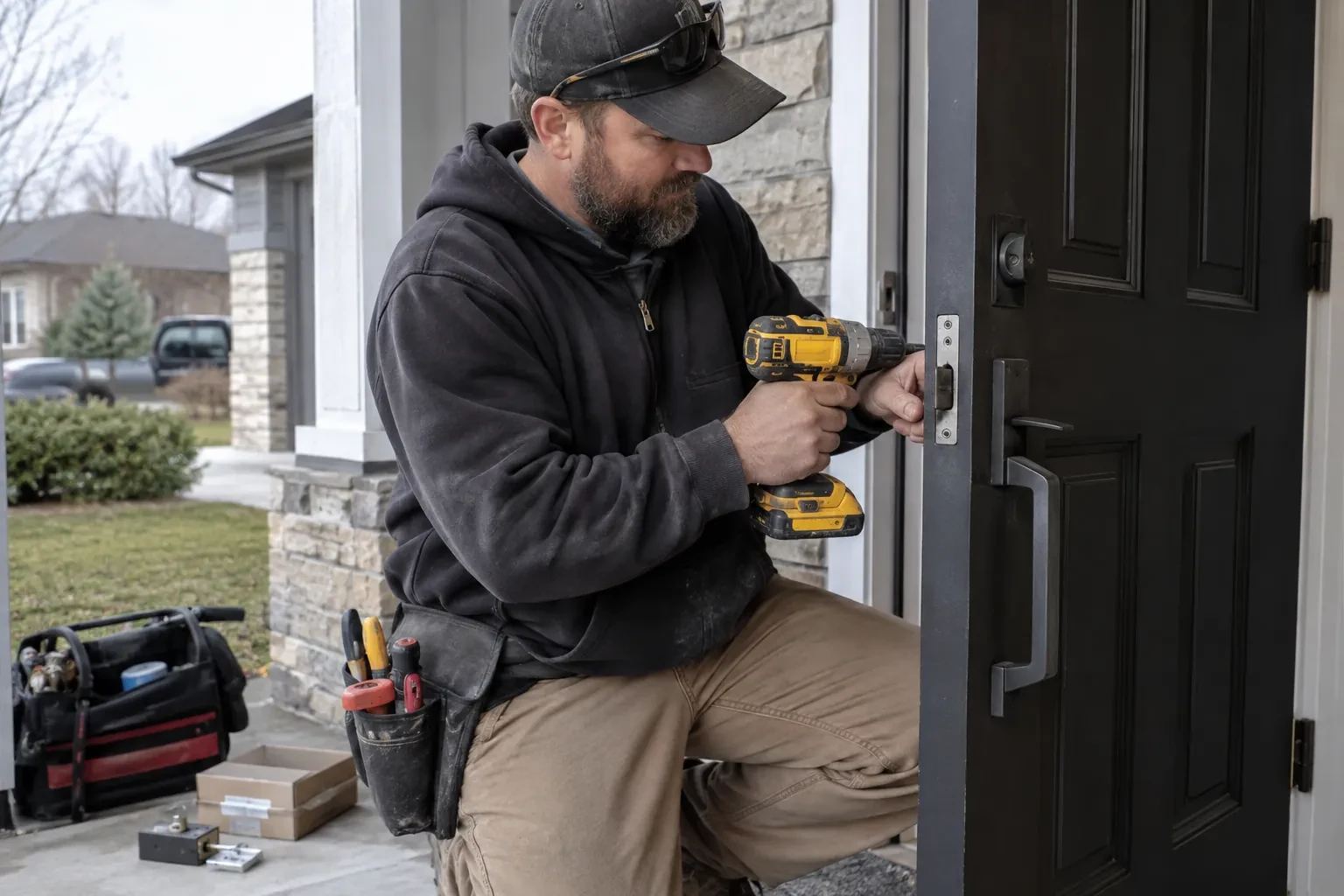
If the cylinder has to be drilled, the quote gains the new cylinder or complete deadbolt and the labour to fit it. You are told this before the drill comes out, never after.
What to have ready
- Do you own the home, rent it, or manage it for someone else?
- Which door are you locked out of, and what kind of lock is on it?
- Has anyone already tried to open the door with a card or tool?
Home Lockout Service: questions
QuestionsWhen does a locksmith decide to drill instead of pick?
Drilling is the last rung, reached only when the cylinder has genuinely stopped cooperating. Typical reasons are a plug seized by corrosion or a failed spring, a key snapped deep inside that blocks the pins, a high-security cylinder whose anti-pick features make picking impractical, or a lock already damaged by someone's earlier attempt. The decision is explained before the drill comes out, the hole is confined to the cylinder, and replacement hardware goes in straight afterwards.
What if my wallet and every document are locked inside?
That is the most common version of a lockout, and there is a routine for it. Tell the locksmith on the phone so the plan is agreed before arrival. Often a neighbour can confirm you live there, a digital copy of a lease or bill is on your phone, or a property manager can vouch for you. Where none of that is available, the locksmith opens the door and completes the identification check with the documents inside before leaving.
What should I have ready when I call about a lockout?
The address and which door you are outside of, what kind of lock is on it as far as you can tell, and where the key is: inside, lost, broken or simply refusing to turn. Mention whether the door is a rental, whether anyone is inside, and whether the lock is electronic. If you have photo identification on you, say so; if not, say that too so the verification route is agreed before the locksmith arrives.