Locksmith in Toronto, OntarioChange the locks,keep the peace of mind
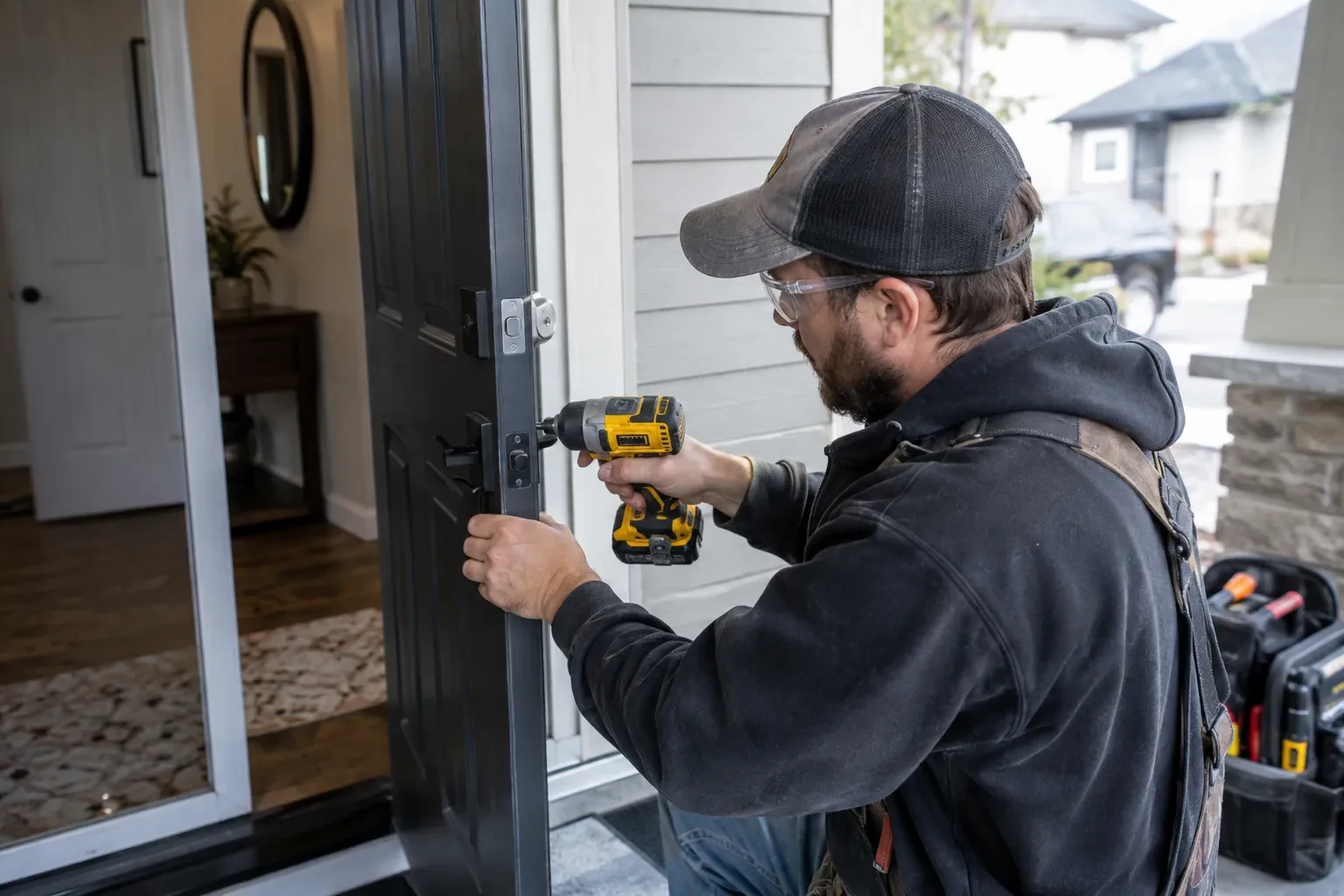
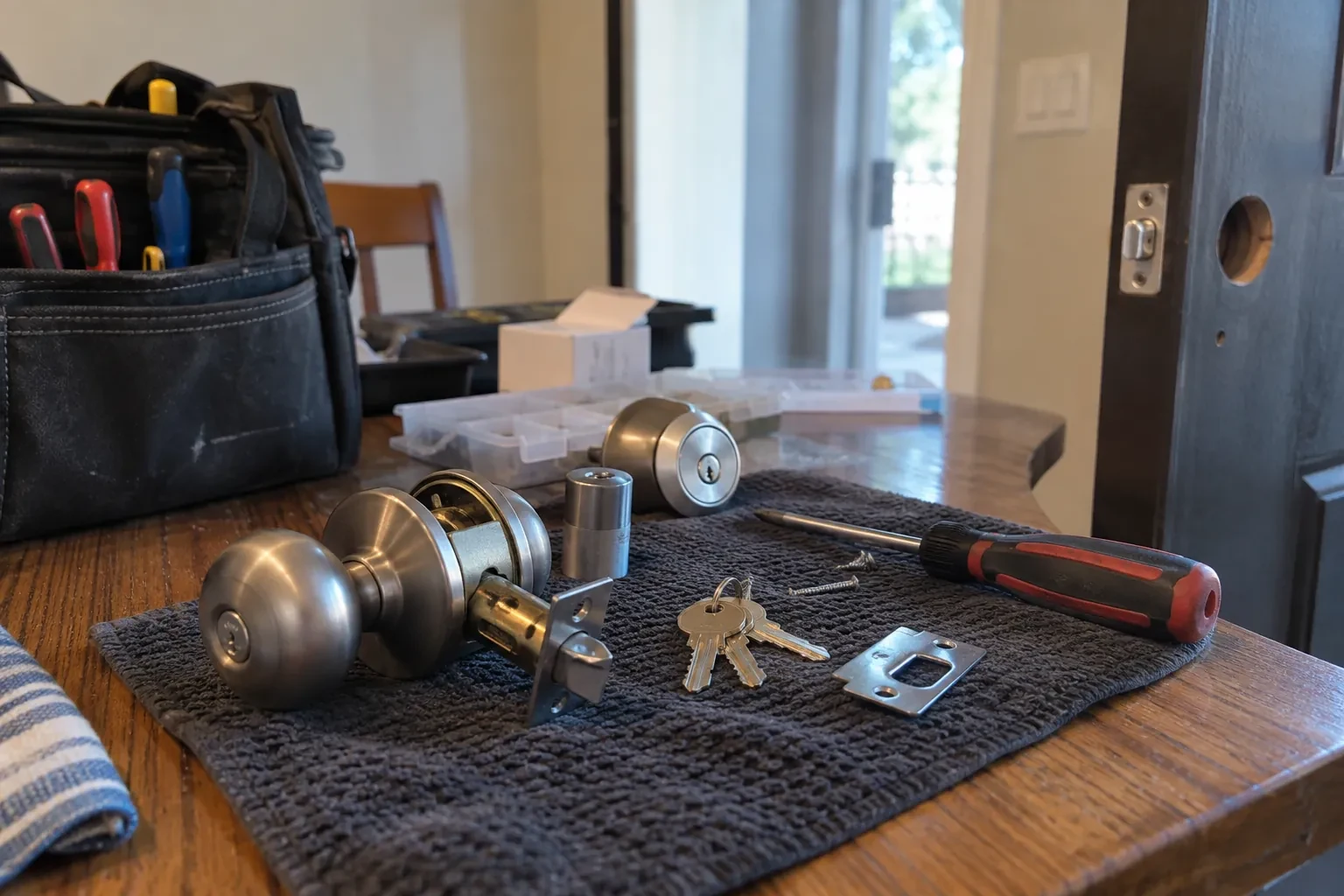
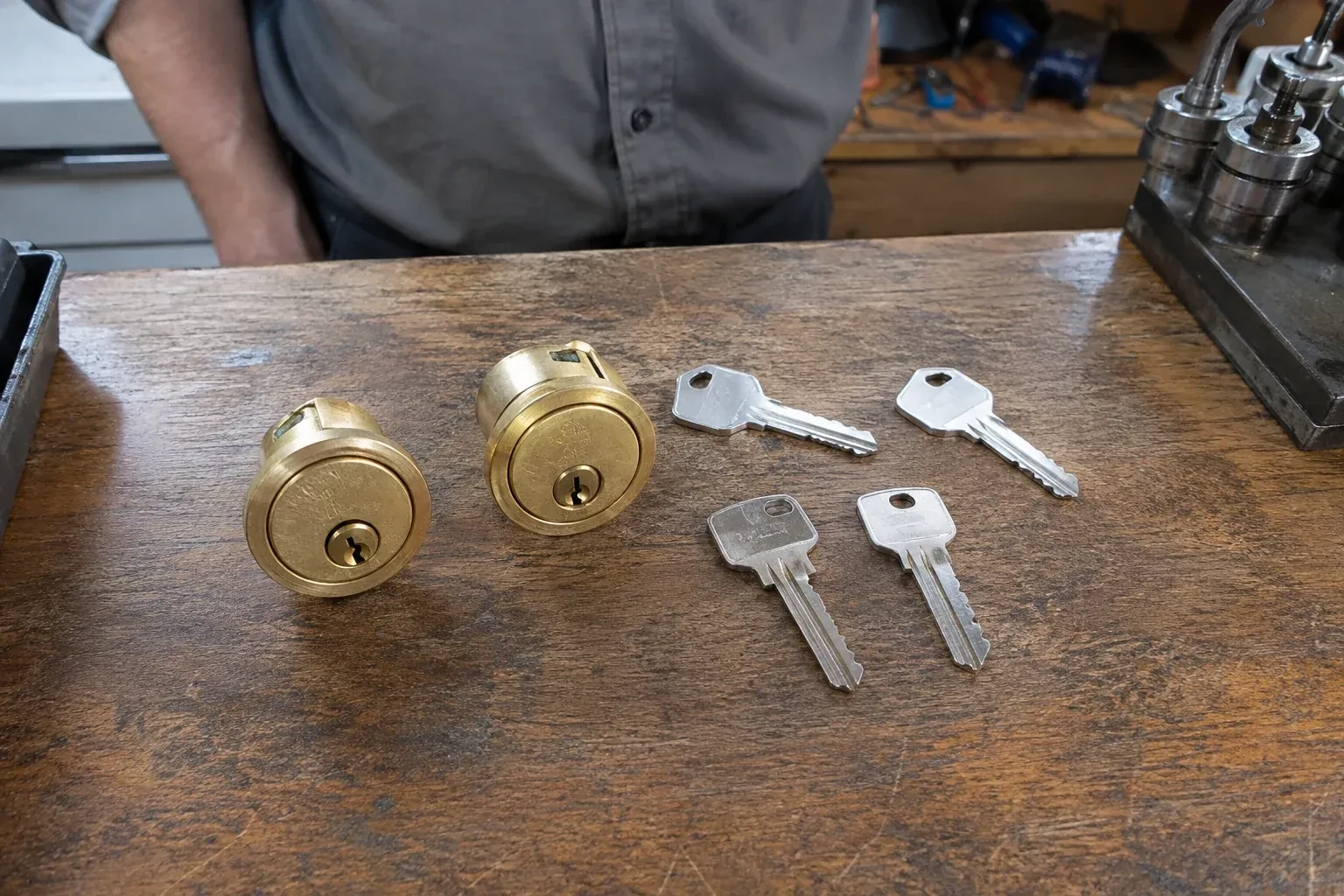
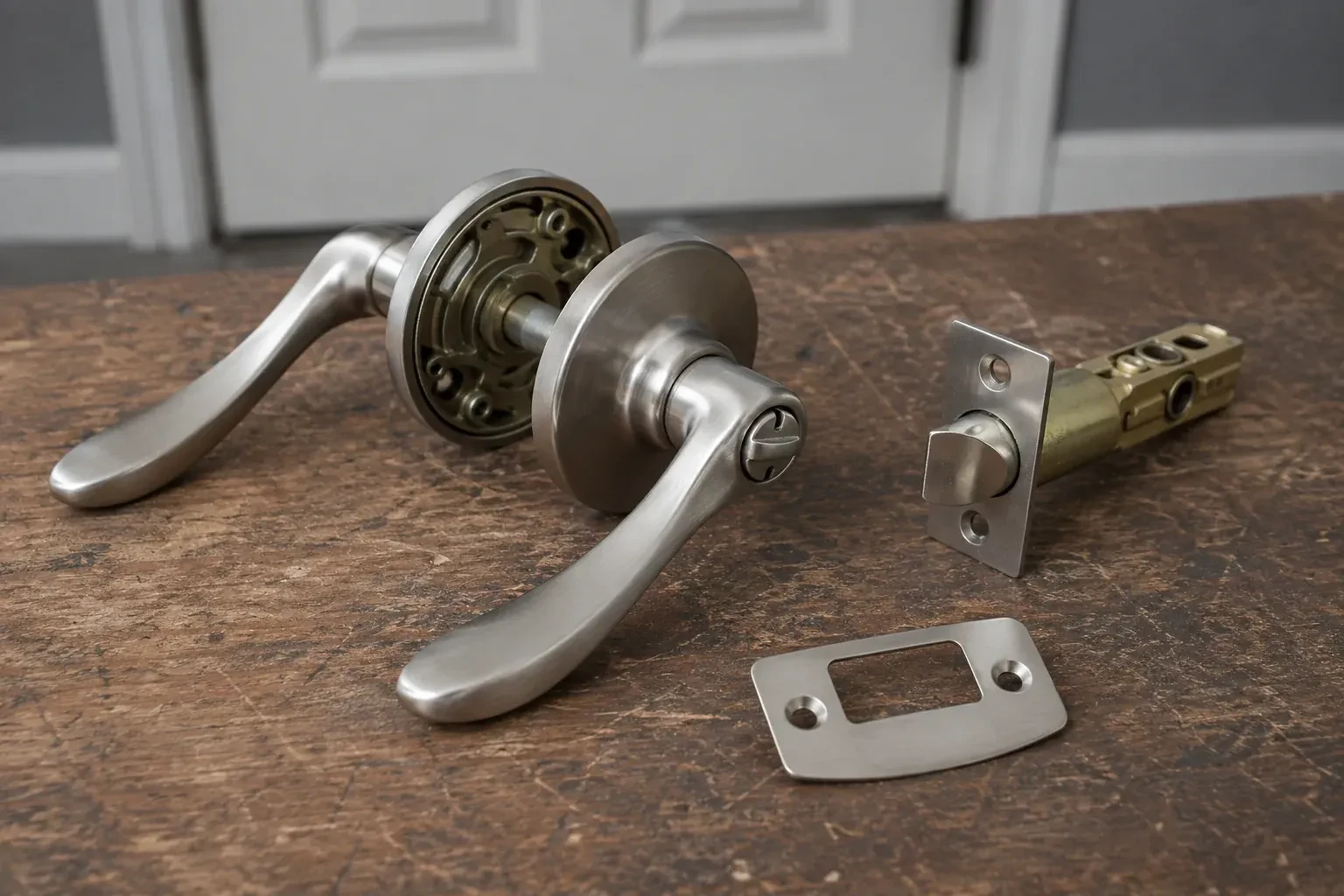
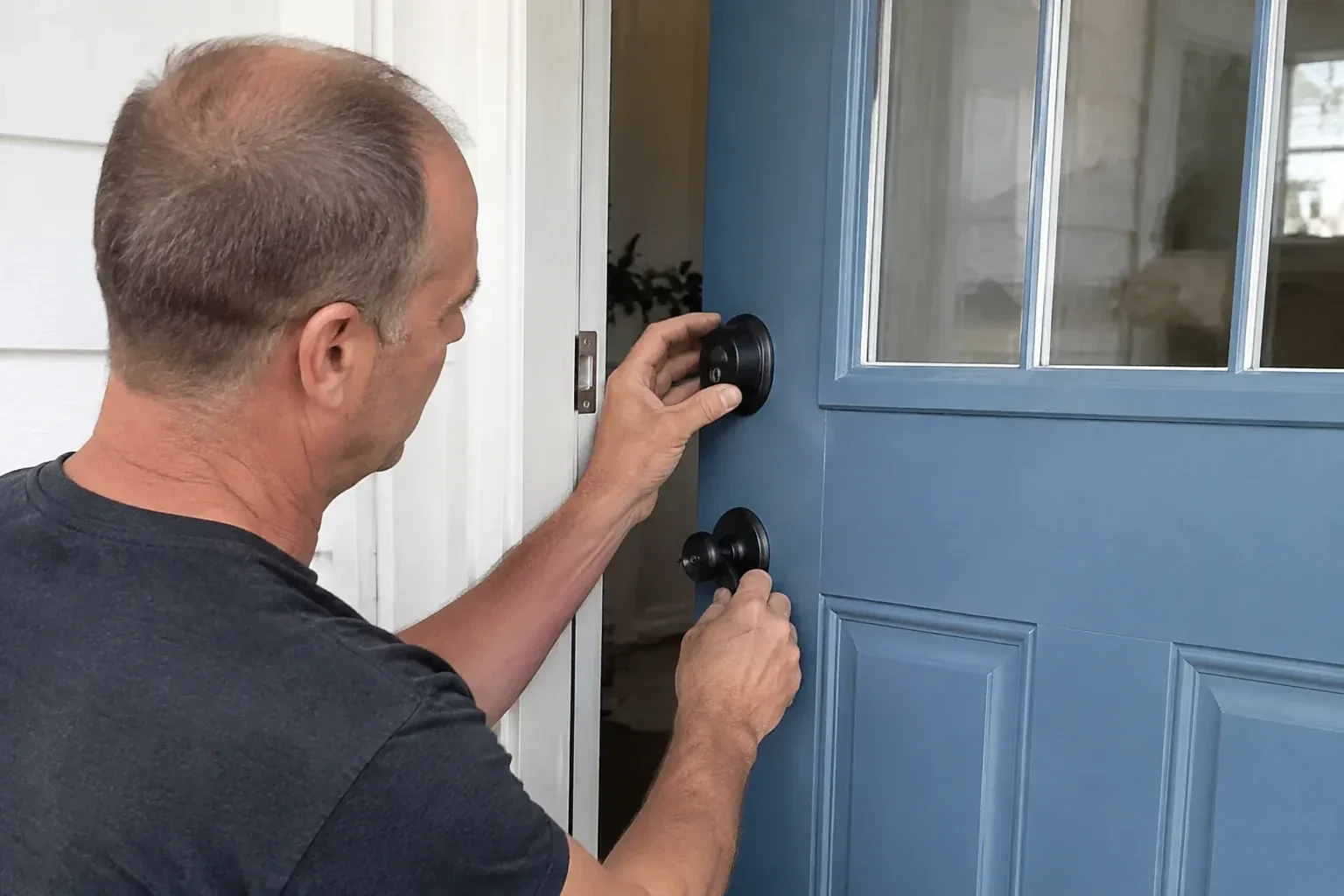
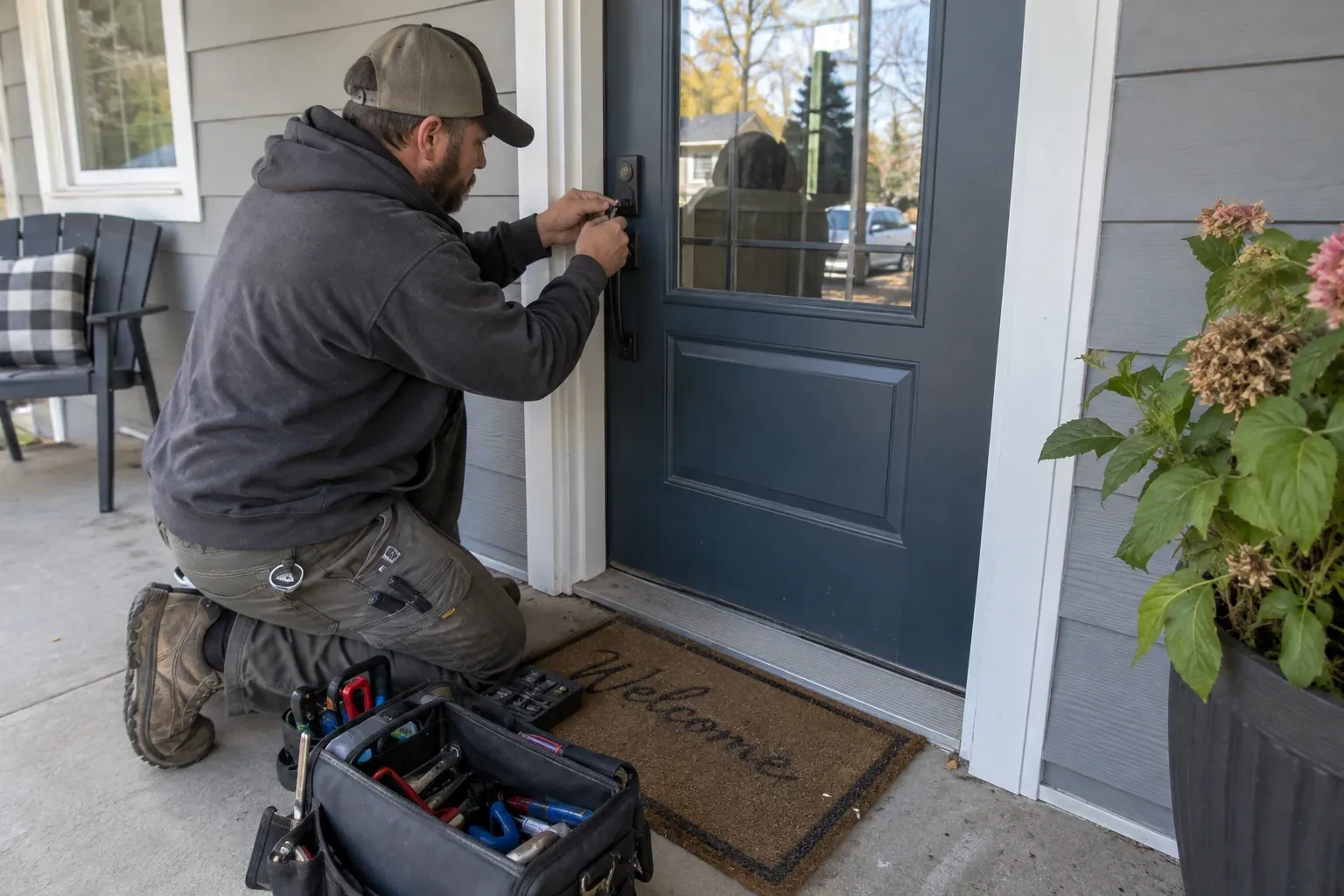
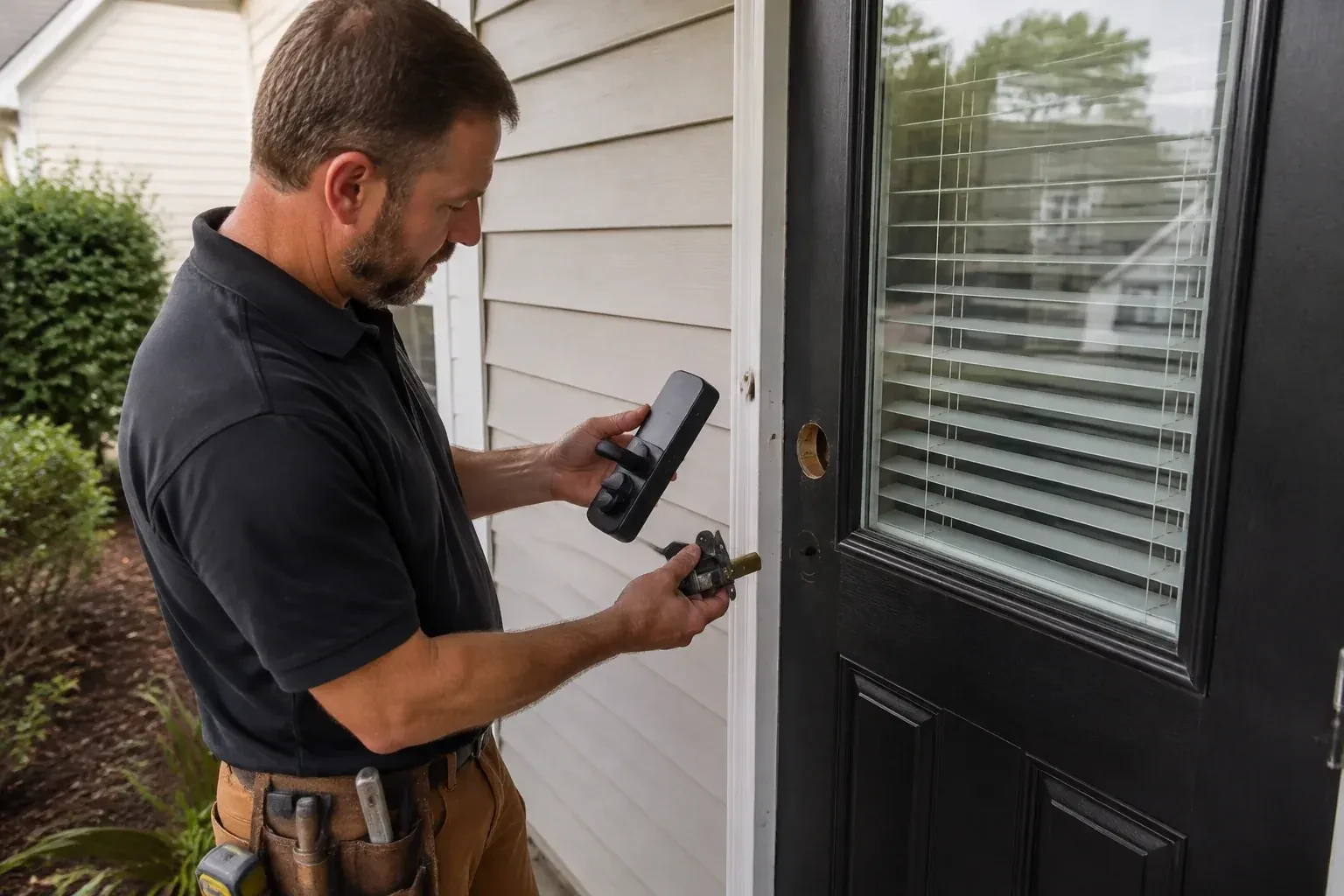
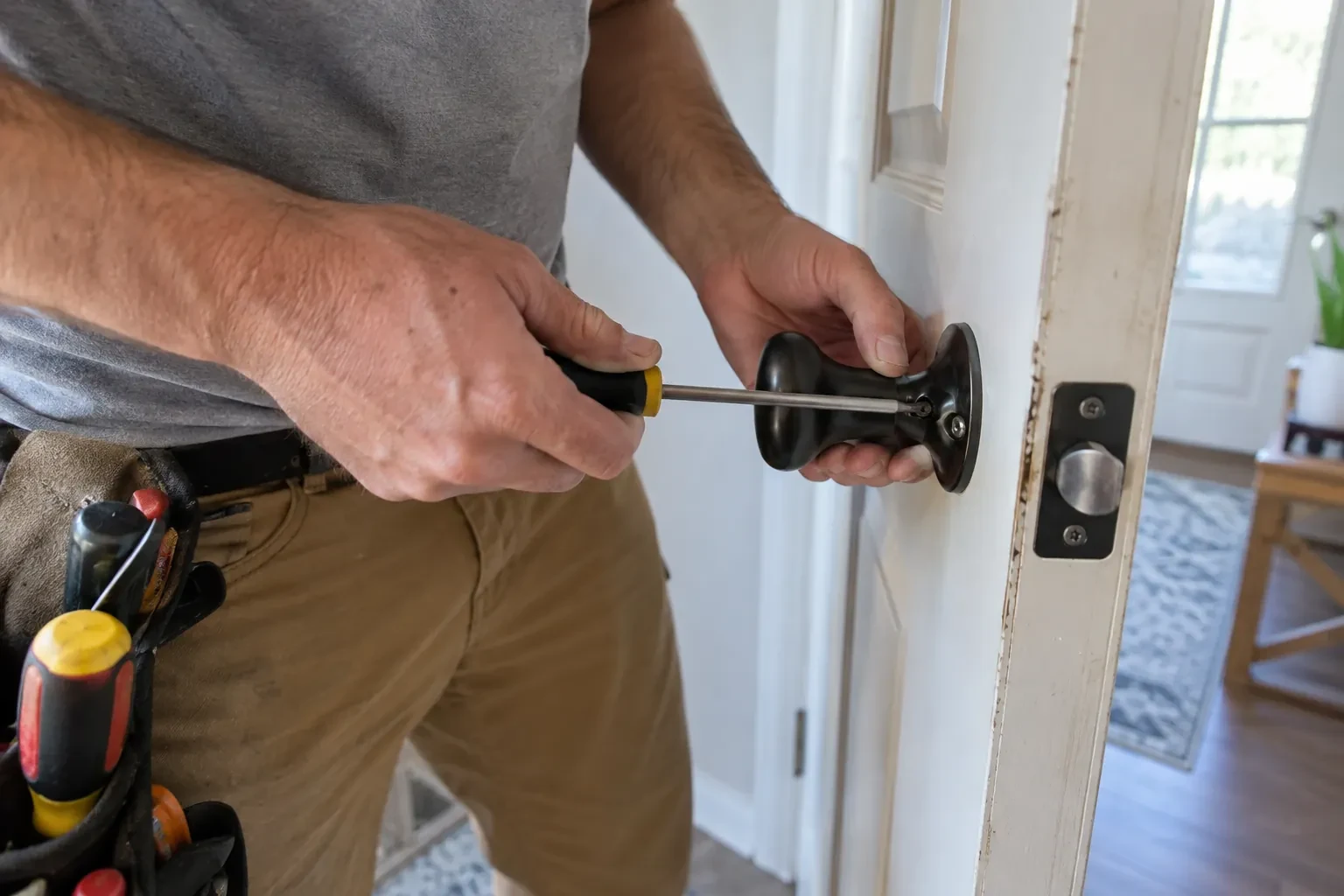
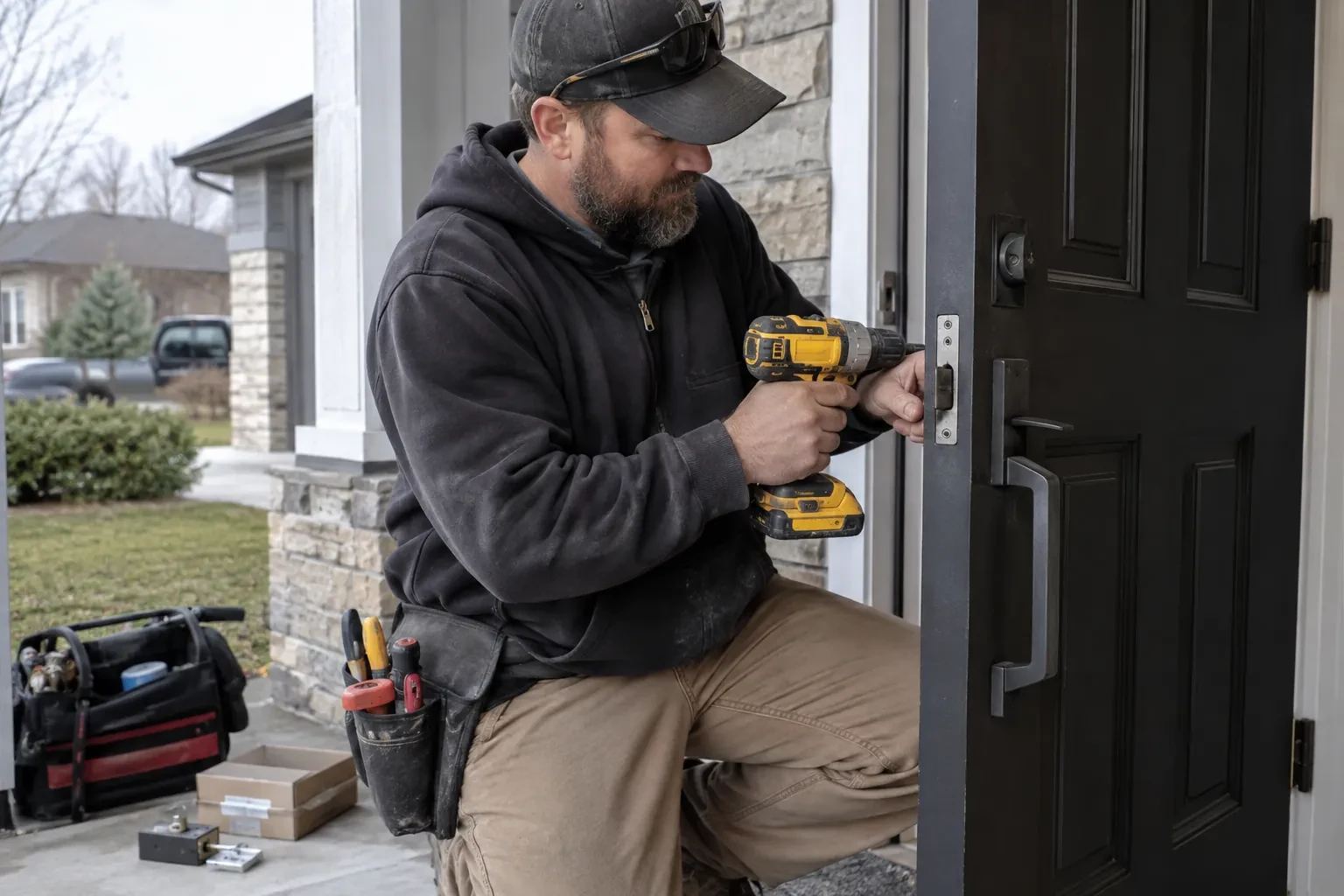
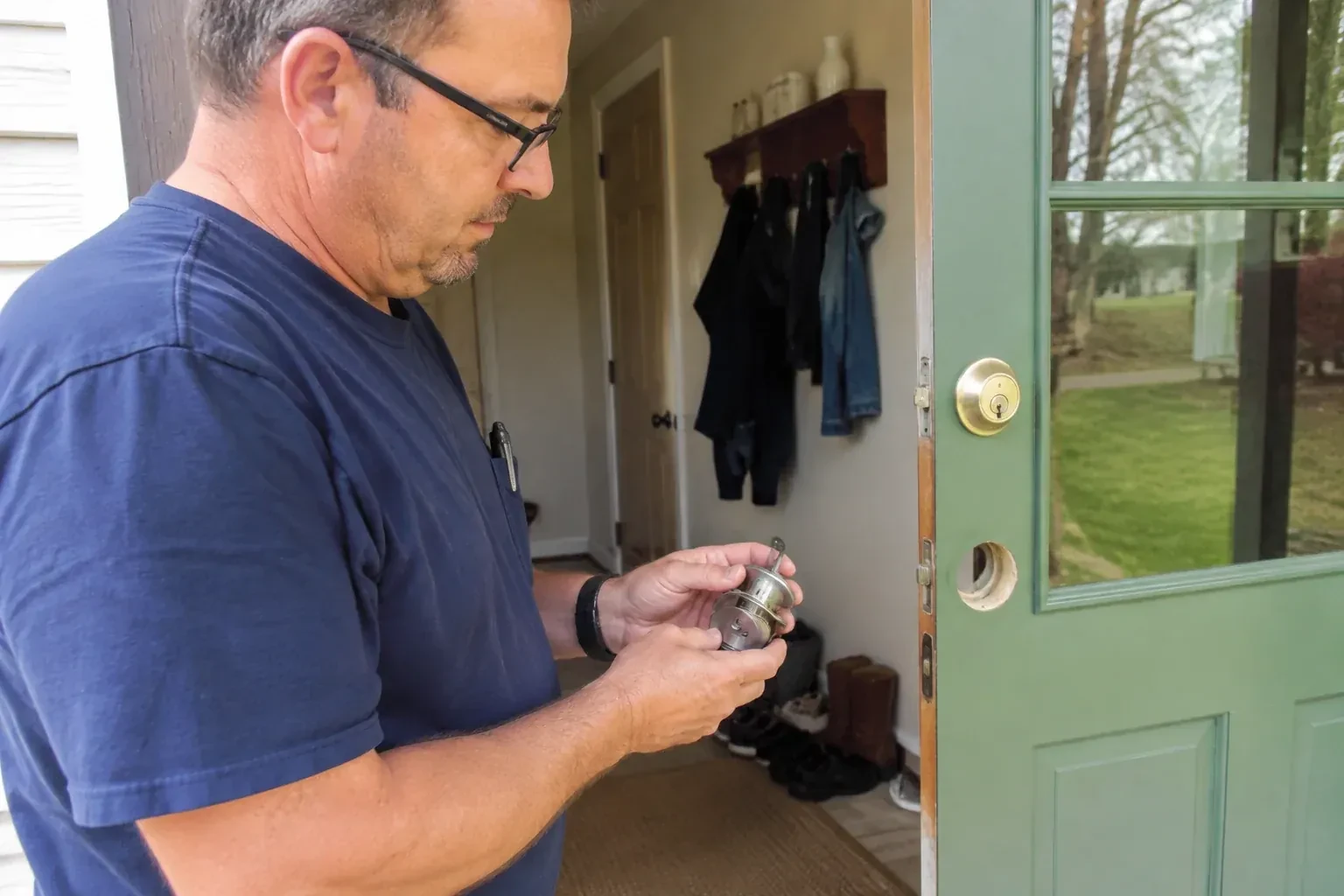
Sometimes the honest answer is a full lock change: a cylinder that fights every key, a handle set that no longer matches the door, a break-up where rekeying feels like half a measure. For homes across Toronto we replace the hardware, match the finish to what is already on the house and hand over new keys.
Sometimes the honest answer is a full lock change: a cylinder that fights every key, a handle set that no longer matches the door, a break-up where rekeying feels like half a measure. For homes across Toronto we replace the hardware, match the finish to what is already on the house and hand over new keys.
One key, every door, no fuss.
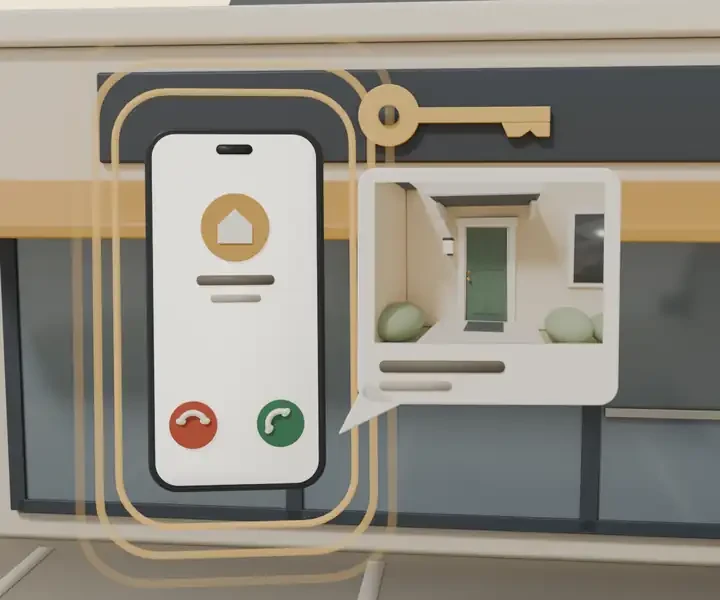
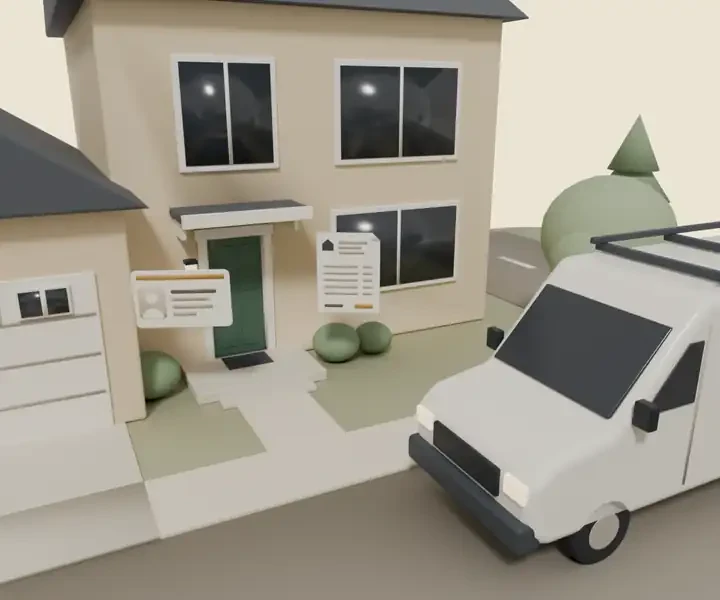
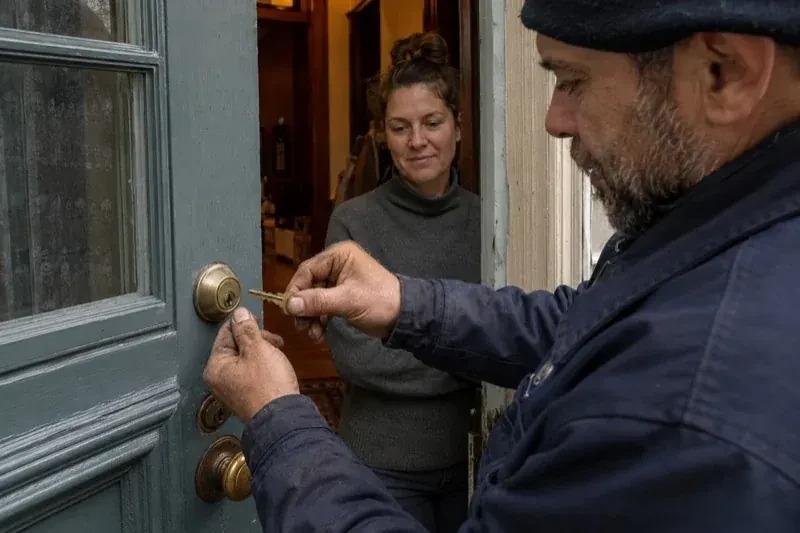
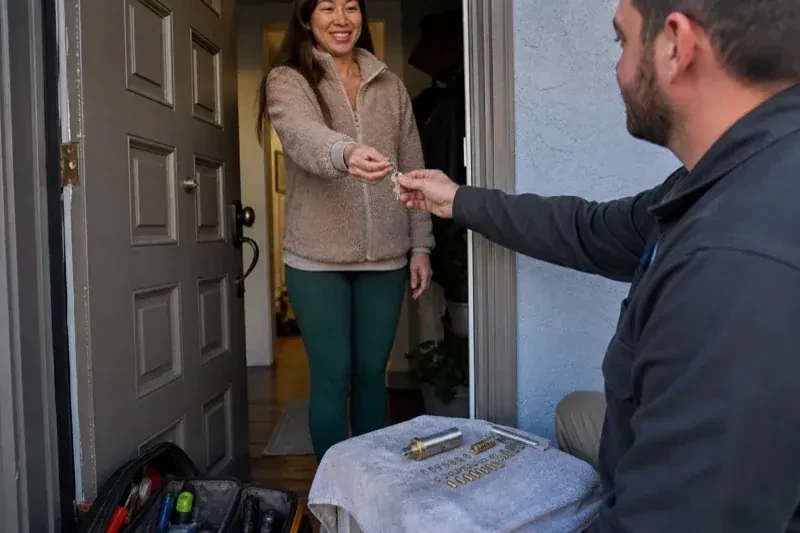
Before a locksmith opens any door in Toronto, he asks to see that it is yours: a piece of identification, a lease, an ownership paper, or a neighbour who can vouch. Most people are relieved by the question. The rest of the visit follows the same habit of care: explain each step, leave the frame and finish as we found them, and make sure the keys in your hand are the only ones that work.
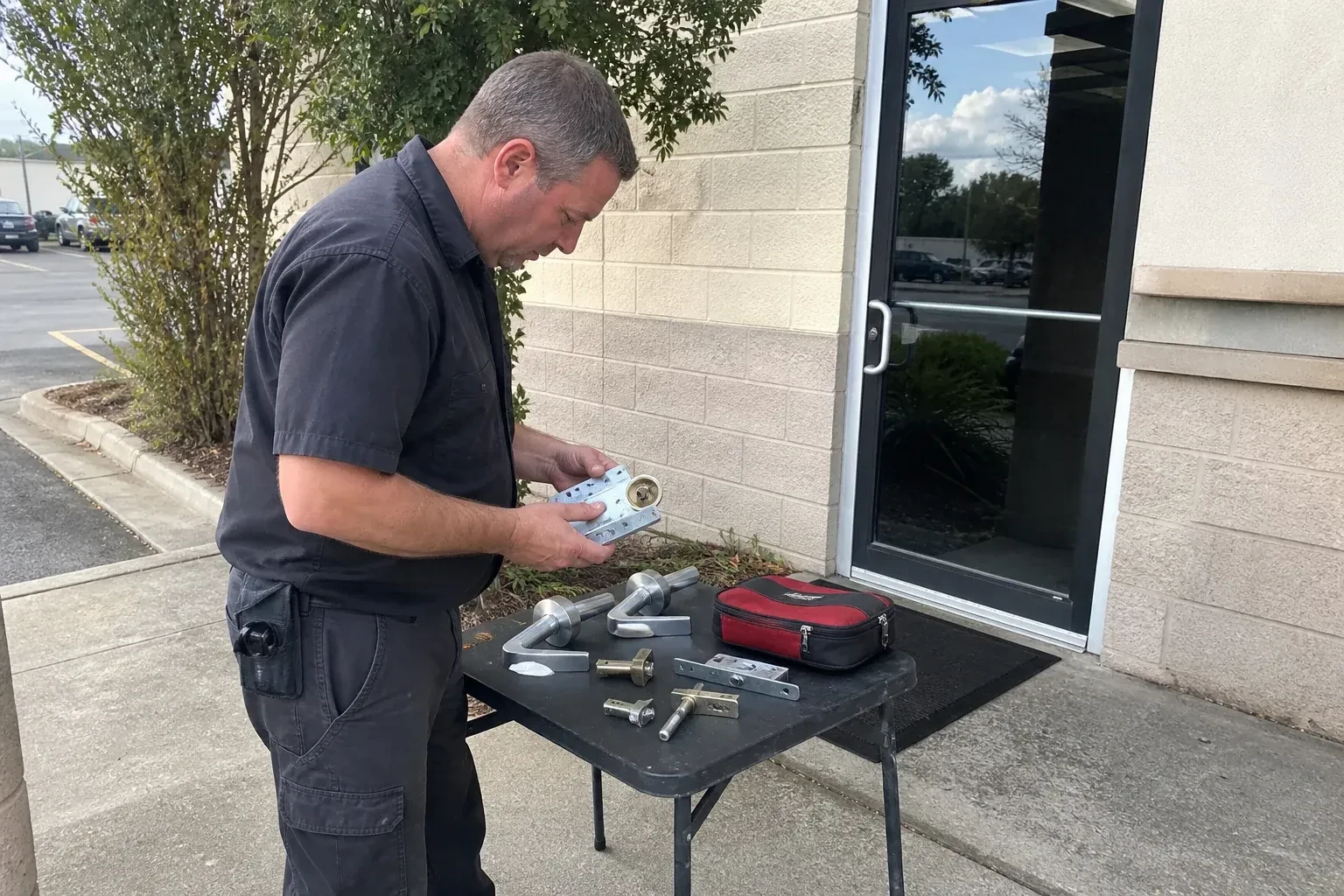
For landlords and property managers with units in Toronto, we offer organised turnover service: rekeying between tenants, labelled keys, master-key planning and a written record of what was changed. We work through doors in order, keep the paperwork straight and make sure the next tenant walks into a place where only their key works. One call covers a single unit or a whole building.
28years in business
24/7open every day
Explained before any tool comes out. You will hear what we found, what we suggest and why, before anything is changed. If you want a minute to think, take it.
Choices, not a single answer. Most problems have more than one fix. We lay out the practical options and the trade-offs, then let you choose the one that fits your home and budget.
A tidy doorstep. Shavings swept, packaging taken away, the old hardware offered to you or disposed of. The only sign we were there is a lock that works.
The lock services offered in Toronto are grouped the way a door is used. Getting back in when you are locked out. Deciding who holds a working key. Upgrading the hardware so the door resists more than a casual try. Keeping commercial entrances working. Opening and maintaining safes. Each is described below.
About 58% of homes in Toronto were built in 1980 or earlier, according to the 2021 Census.
Older homes
Basement and side entries on older homes were often fitted long after the house was built, with whatever lock was on hand. Bringing those doors up to the standard of the front entry, and onto the same key, is a common and satisfying job.
Single-detached houses make up about 23% of homes in Toronto (2021 Census).
Landlords and property managers dominate in attached housing, and they want keys organised. A locksmith sets up master systems so a manager carries one key while each tenant's key opens only their own door.
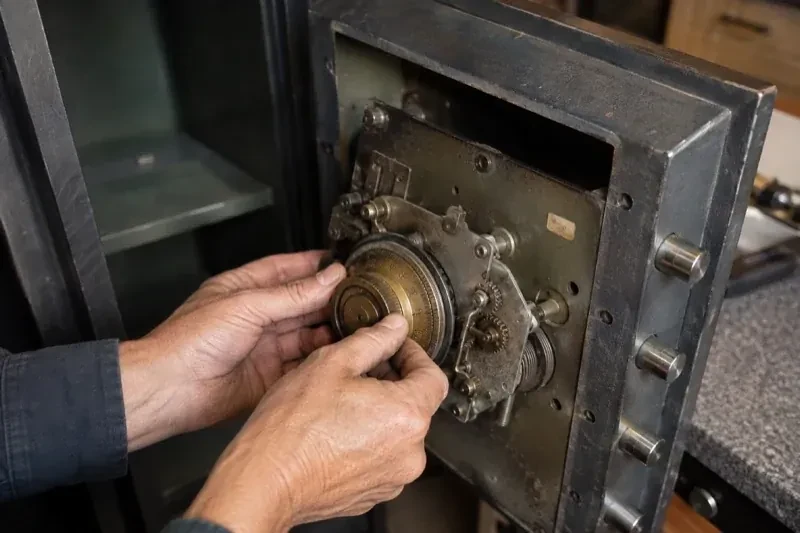
Safes are high security for the things inside a room rather than the room itself. We install, bolt down, open and reset them for homes and businesses, and advise on where a safe helps and where a better door helps more.
You bought a keypad deadbolt online and pulled the old one off, only to find the hole in the door is a different size and the bolt latch sits at a backset the new kit does not list.
The new manager took over the shop last month and only now needs the back-office safe open, but the combination the previous owner was supposed to leave in writing never turned up anywhere in the handover file.
The keypad on the office safe blinks a low-battery warning every morning now, and whoever notices it first quietly hopes someone else deals with it before the batteries finally give out mid-week.
Which fix fits?
A roommate tried to help with tweezers, then by gluing the other half to it.
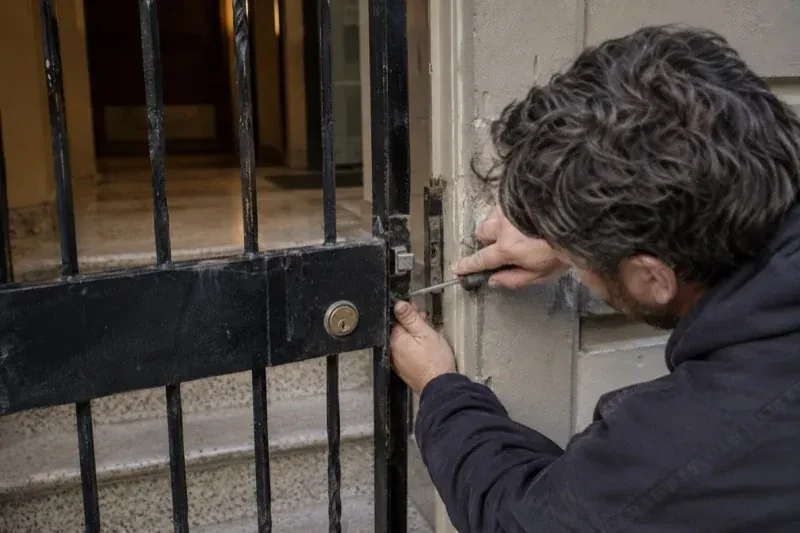
WhyHardware bolted to a gate or an exterior building door lives outside every day of the year, which is a different job from a lock tucked behind a storm door.
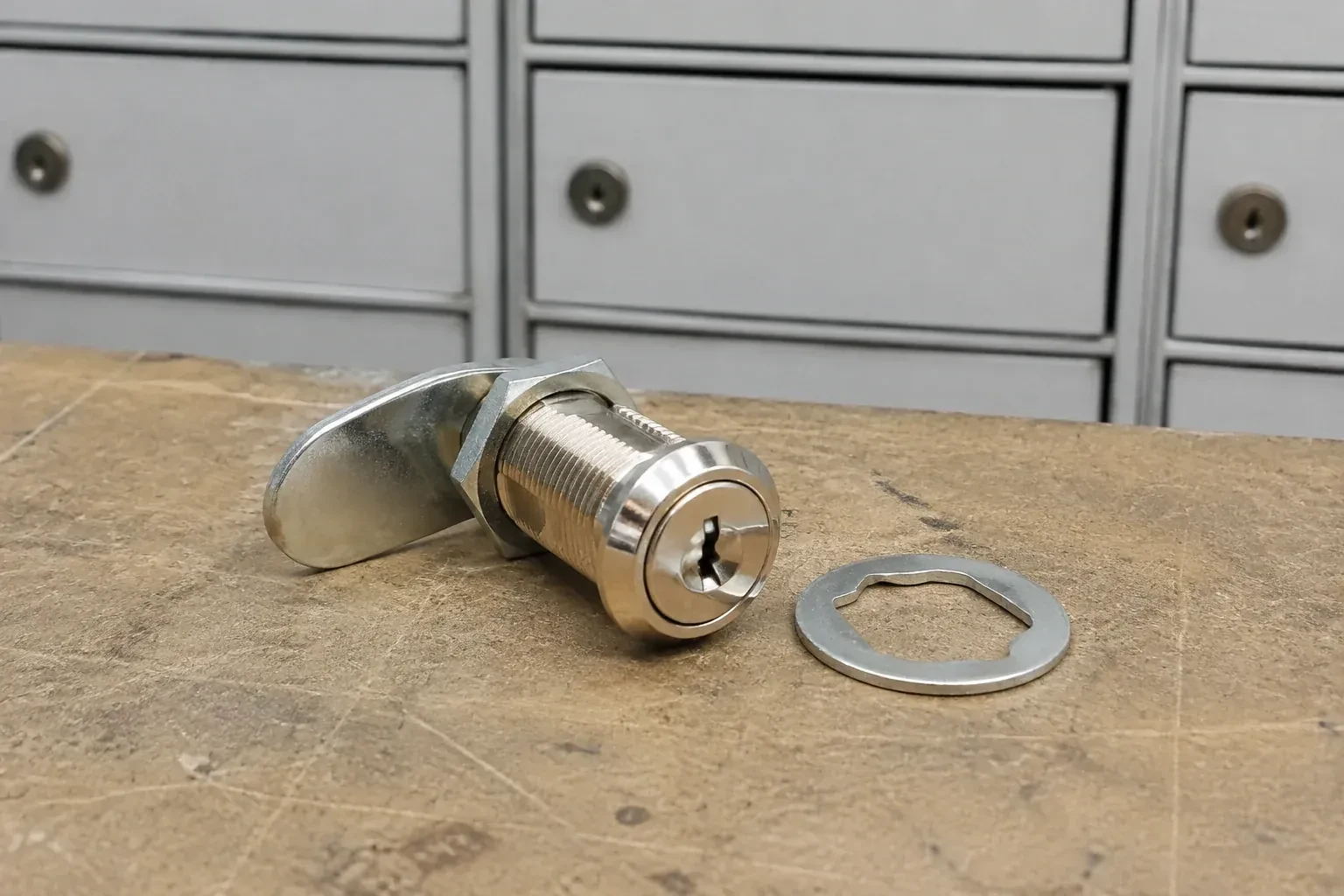
The property manager mentioned that half the compartments in the lobby's mailbox panel are original to the building and are starting to fail one by one, key by key, as tenants turn over year after year.
WhyWhen the real concern is who else might hold a key, replacement settles it at the root.
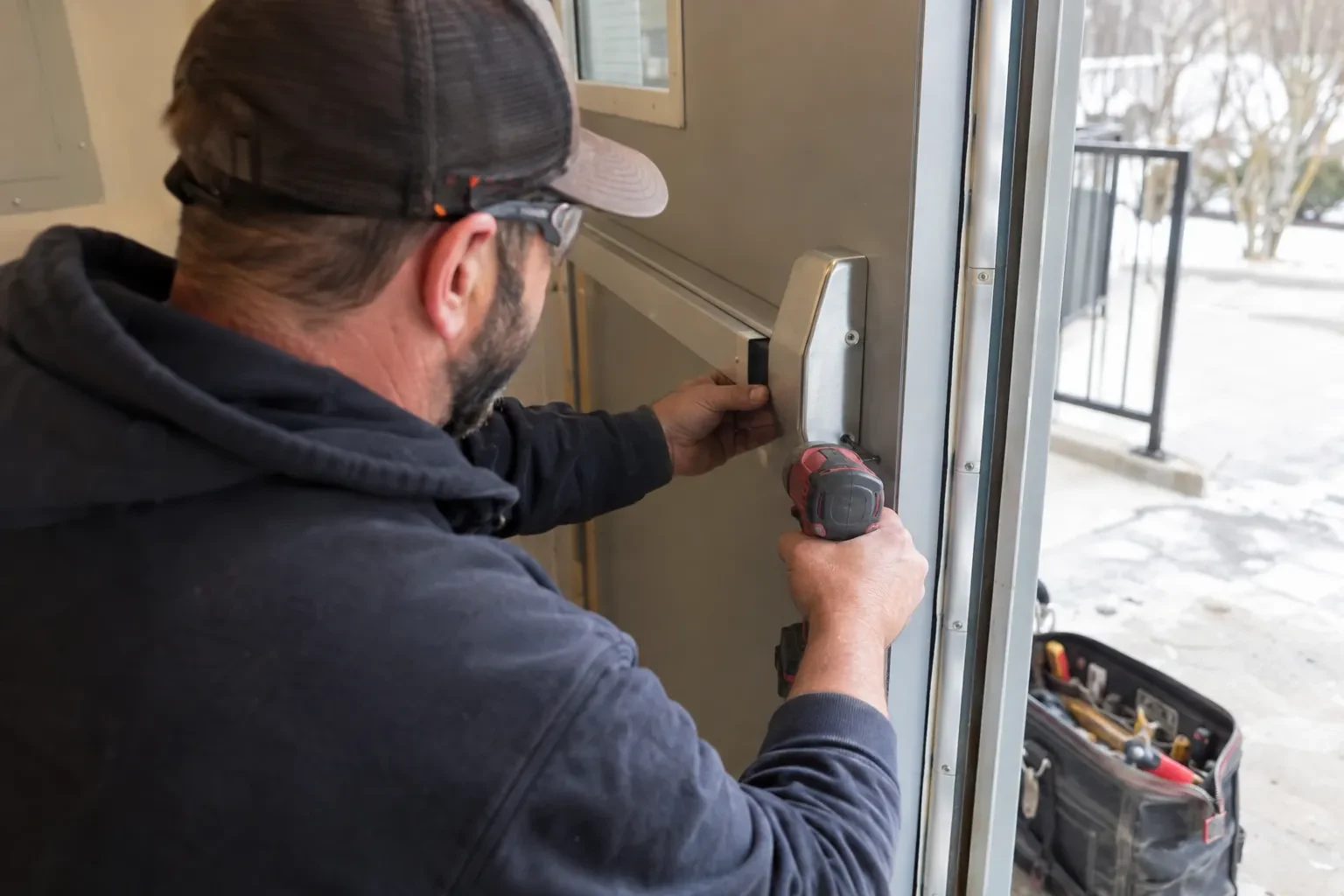
The kitchen delivery door gets shouldered open more than a hundred times a shift, and lately the latch slips past the strike plate instead of catching it on the first push.
WhyA business door rarely fails the same way a house door does, because it opens far more often and often has to satisfy a fire or egress rule a home door never faces.
The proximity fob has ridden in a pocket for years, the range feels shorter than it used to, and a dashboard warning mentioned a battery a while back.
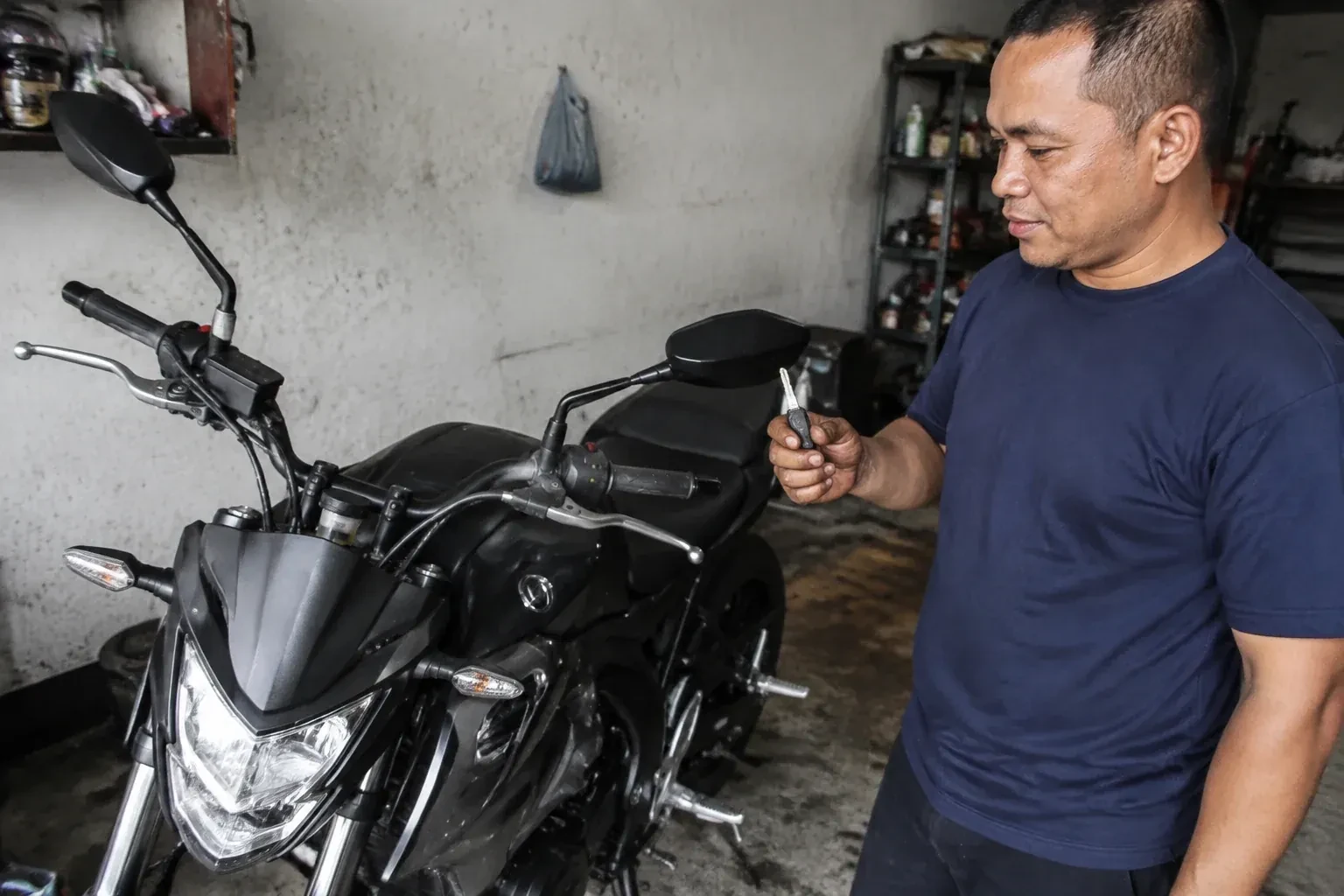
WhyMotorcycle and scooter key service is the work of producing a key that a two-wheeled machine will actually accept, whether that means cutting a plain blade, decoding an ignition lock with no key at all, or programming a transponder that talks to the engine control unit.
How a visit goes
Describe the property, the hardware and what has changed, and the visit starts from what you have seen.
1
2
3
01
Listening to the door's history
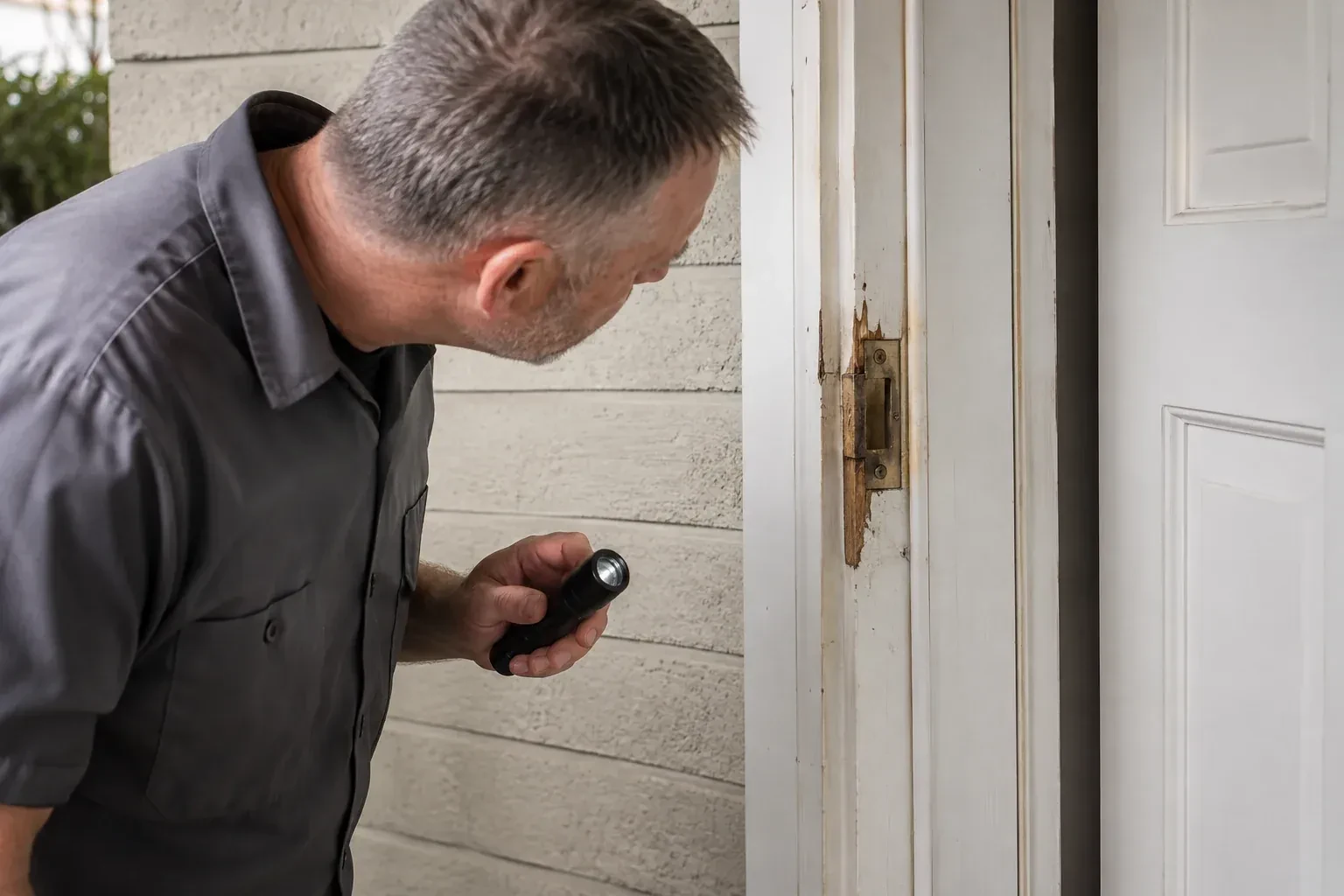
Has it been forced, does it drag, who has had keys? Those answers tell us whether the frame, the cylinder or the key list needs attention first.
02
Reinforcing what takes the blow
A box strike and three-inch screws into the studs, long hinge screws, and filled holes where the wood has split, before any cylinder is changed.
03
Testing every key in every lock
Doors open, doors closed, both sides, then a push on the locked door to feel for play. We finish by writing down what was fitted.
Good days. Start with a turn.
1/9Broken Key Extraction
A roommate tried to help with tweezers, then by gluing the other half to it. The fragment is now further in than it started, there is dried glue around the keyway, and the front door still does not open.
Your roommate moved out last weekend. Rent is settled, the room is empty, and the key is still on their ring. You trust them, but the lock on your front door should answer to the people who actually live here.
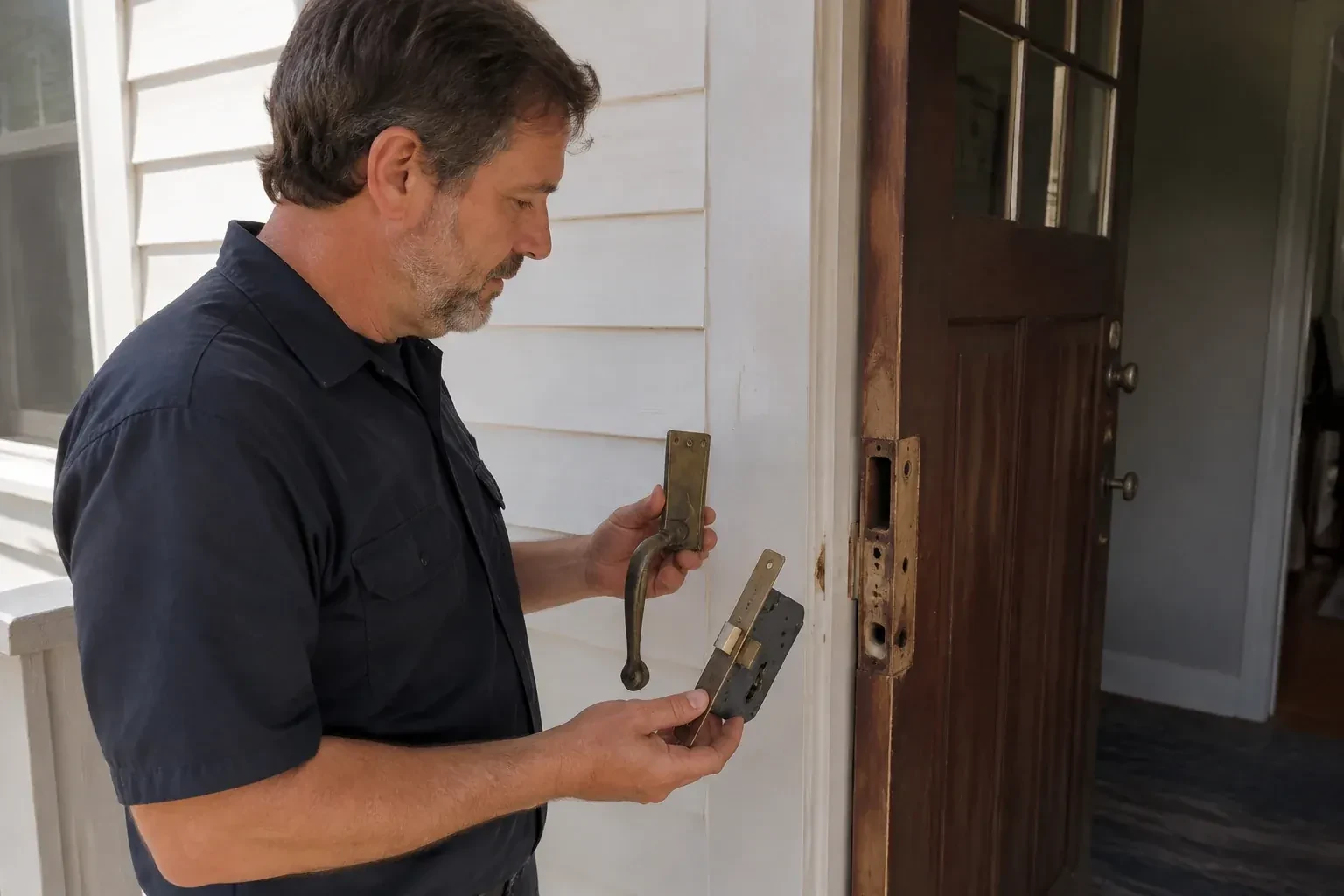
The century home's original mortise lock takes a key the size of a spoon, sticks in humid weather and has worn its strike to a groove. You want a lock that works every day without giving up the old door.
A neighbour mentions, in passing, that the key from three tenants ago still lets him into the building's front door. Nobody changed it after he moved out, and now the property manager wants to know exactly how many keys are still floating around out there.
The property manager mentioned that half the compartments in the lobby's mailbox panel are original to the building and are starting to fail one by one, key by key, as tenants turn over year after year.
The kitchen delivery door gets shouldered open more than a hundred times a shift, and lately the latch slips past the strike plate instead of catching it on the first push.
The proximity fob has ridden in a pocket for years, the range feels shorter than it used to, and a dashboard warning mentioned a battery a while back. Nobody has sorted out what happens on the day it finally goes dark.
Pressing the remote locks three doors with a solid clunk and leaves the rear passenger door untouched, every single time. A twist of the key still opens that door by hand, so the fault is sitting somewhere between the remote and that one lock.
After a winter under a cover, the steering lock will not budge. The key seats fully in the barrel, but turning it meets a wall of resistance that no amount of wiggling moves past.
Part of the key is sticking out. Can I just pull it with pliers?
If a good length shows and the plug is at its normal rest position, a firm straight pull sometimes works. The risk is pushing instead of pulling, or twisting, which drives the piece deeper and can bend a pin. If it does not come on the first gentle try, stop there and leave it for extractor tools, which grip the cuts without loading the cylinder.
I rent. Can I have my locks rekeyed?
Yes, with your landlord's agreement, which is what the tenancy rules here expect before a tenant changes a lock. Most landlords are glad to consent when a key has gone missing or a former roommate has moved out, and the locksmith will want to hear that the landlord knows and will be holding one of the new keys. The rekey itself runs the same as for an owner, and a short note listing the doors done is handy to pass to the landlord.
Can every door in the house work from one key?
Yes, provided the cylinders share a compatible keyway, which the locksmith checks when choosing hardware. New cylinders are pinned on site to a single new key and any existing locks worth keeping are repinned to match. Front, back, side and garage doors commonly end up on one key, and a shed or gate padlock can join them. You then decide how many copies exist and who holds each.
I rent my unit. Can I request gate or entry lock service myself?
You can certainly call about a problem you are experiencing, such as a side gate that will not latch or a buzzer that stopped working, and the locksmith will look into it. Where the fix touches the shared entry everyone in the building relies on, rather than something specific to your own unit, the work is usually coordinated with whoever manages the property, since a rekey or replacement there affects every current resident, not just the person who noticed the problem first.
Will you drill my mailbox lock, and does that damage the compartment?
Drilling is kept as a last resort, used only when the lock is seized, the key is gone, or an earlier attempt has already damaged the mechanism, and it is explained before it starts. The drill is aimed precisely at the lock itself, so the compartment door around it is left alone, and a new lock is fitted during the same visit so the compartment is never left standing open.
What information should I have ready before the visit?
It helps to know roughly what is on the door now, knob, deadbolt, exit device or something else, whether other doors on the property share a key with it, and who in the business can authorize the work and sign off on keys. Photos of the current hardware and any fire label on the door are useful if you can get them ahead of time.
What testing happens before I leave with the new key?
Every door lock, the trunk or hatch, the ignition or start button, and any remote functions are checked with the new key on its own, apart from the original, so neither key is quietly helped along by the other's signal. The vehicle is started more than once to rule out an intermittent issue, and only once both keys pass independently is the visit considered finished.
How does a locksmith reach the actuator or linkage inside my door?
The interior trim panel is removed using tools shaped to release its retaining clips without marking the panel. On many doors that exposes the cylinder, the linkage rod and the power actuator for individual testing and repair, though some doors keep a carrier plate, water shield or window guide in the way, or use an integrated latch and actuator assembly, and are worked on accordingly.
What should I have ready before you arrive?
The make, model and year if known, the VIN if it is accessible, which locks are involved, and whether the engine cranks but does not start, which can point toward an immobiliser issue among other ordinary starting-system causes. Mentioning whether any key at all still exists, even a broken or poorly cutting one, changes what equipment comes along, since working from a key is a different job than decoding a lock with nothing to reference.
Request a visit
Before a locksmith opens any door in Toronto, he asks to see that it is yours: a piece of identification, a lease, an ownership paper, or a neighbour who can vouch. Most people are relieved by the question. The rest of the visit follows the same habit of care: explain each step, leave the frame and finish as we found them, and make sure the keys in your hand are the only ones that work.