Locksmith in Oakwood, OntarioVintage hardware,cared for properly
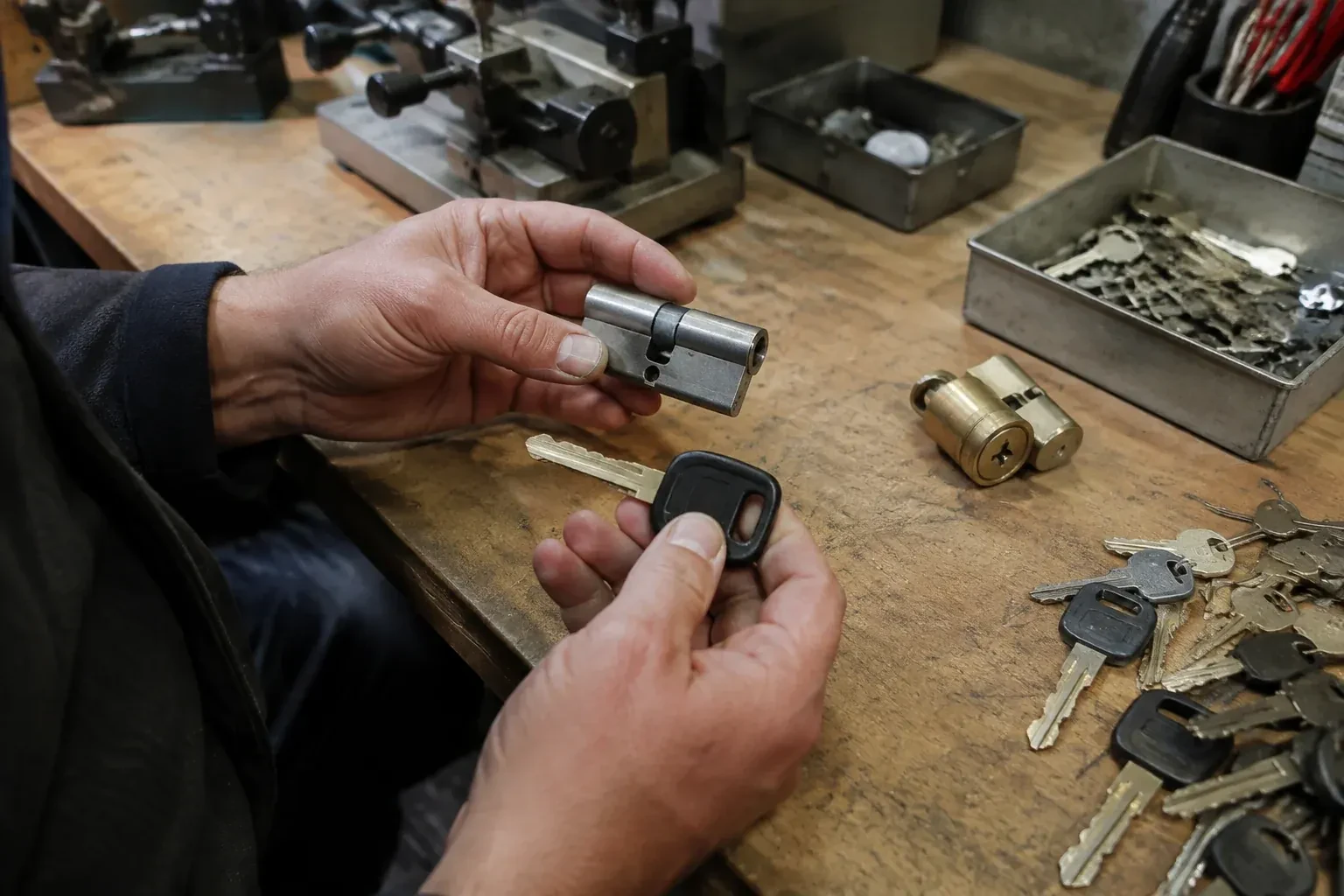
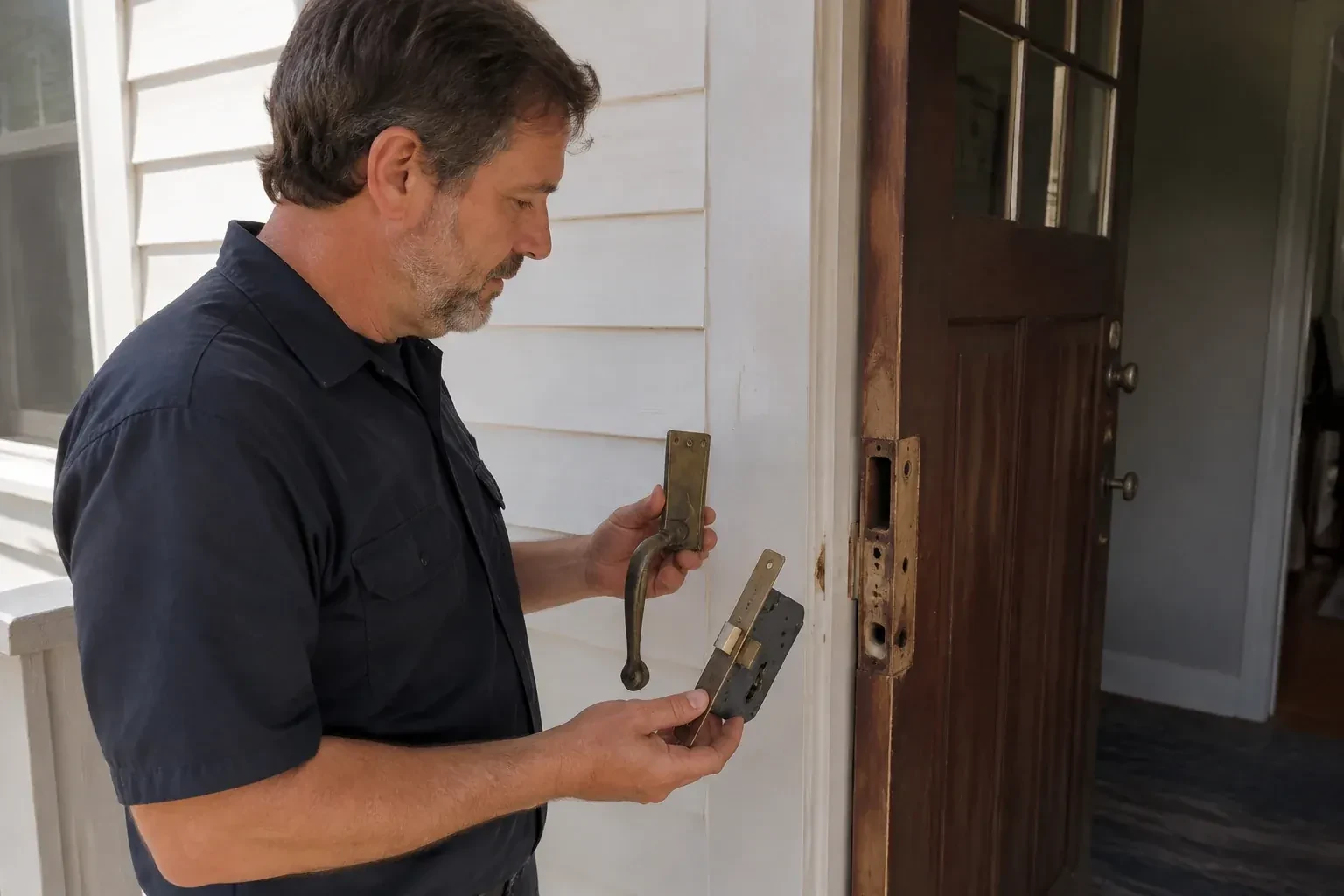
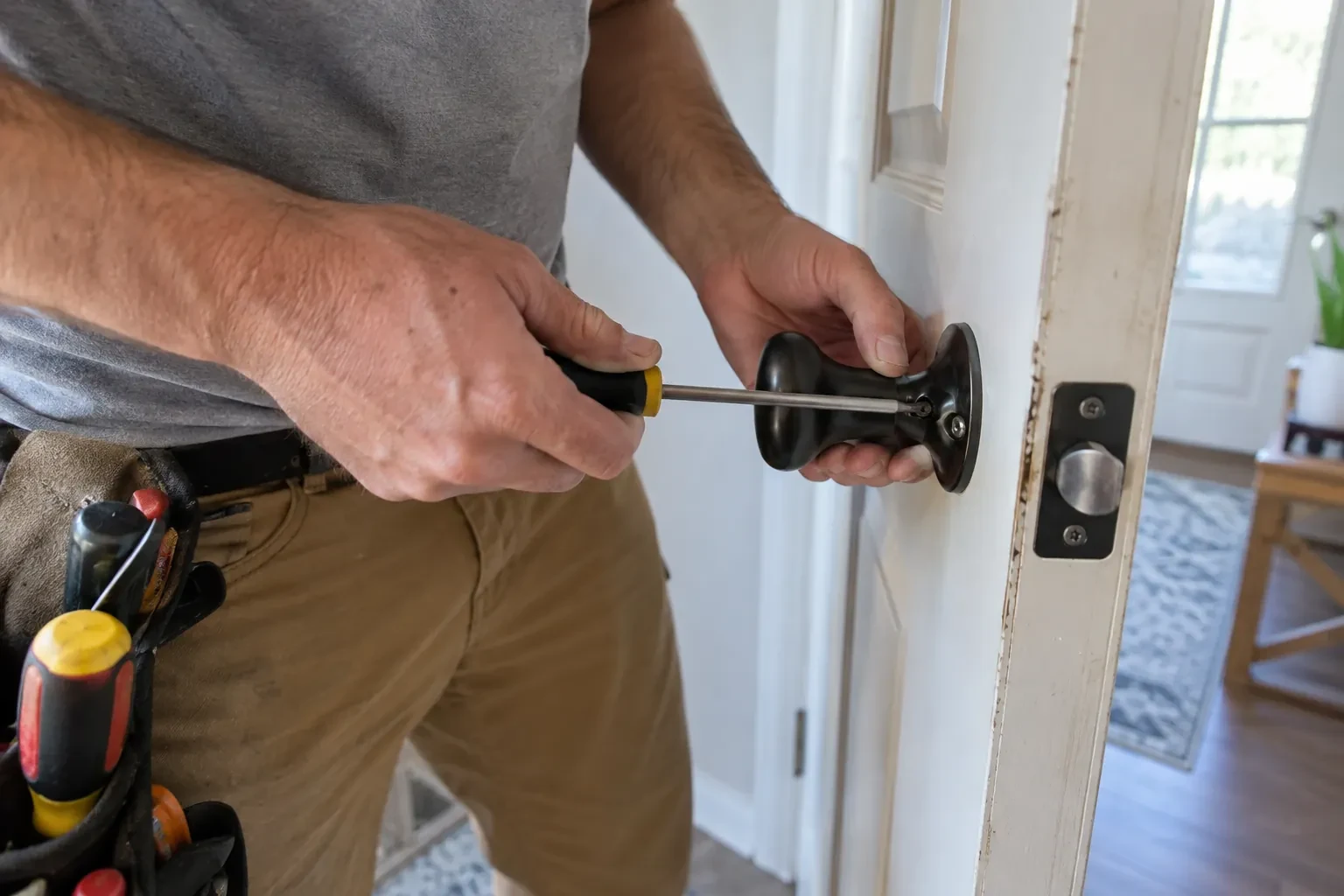
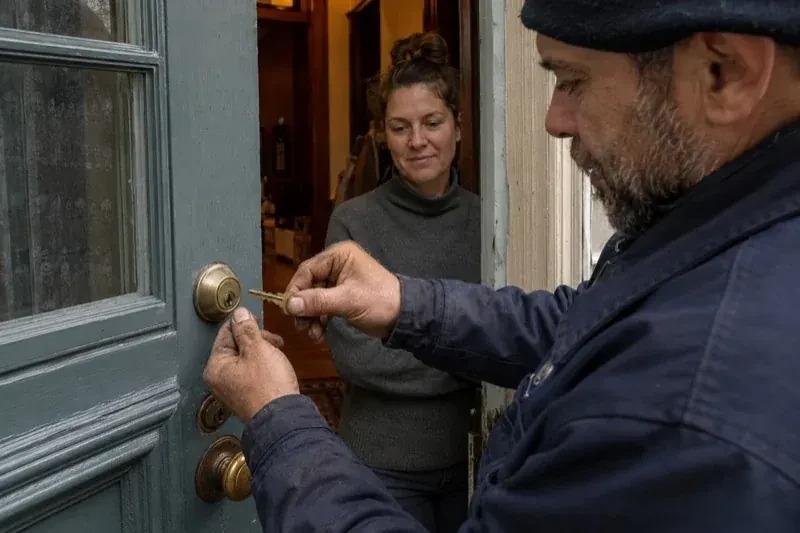
Glass knobs, ornate escutcheons and mortise cases that have turned for generations deserve a locksmith who knows them. In Oakwood we clean, rebuild and re-spring old mechanisms, cut keys for locks that no longer have one, and match period-appropriate parts so the door keeps its face. The same crew covers York.
Glass knobs, ornate escutcheons and mortise cases that have turned for generations deserve a locksmith who knows them. In Oakwood we clean, rebuild and re-spring old mechanisms, cut keys for locks that no longer have one, and match period-appropriate parts so the door keeps its face. The same crew covers York.
One key, every door, no fuss.
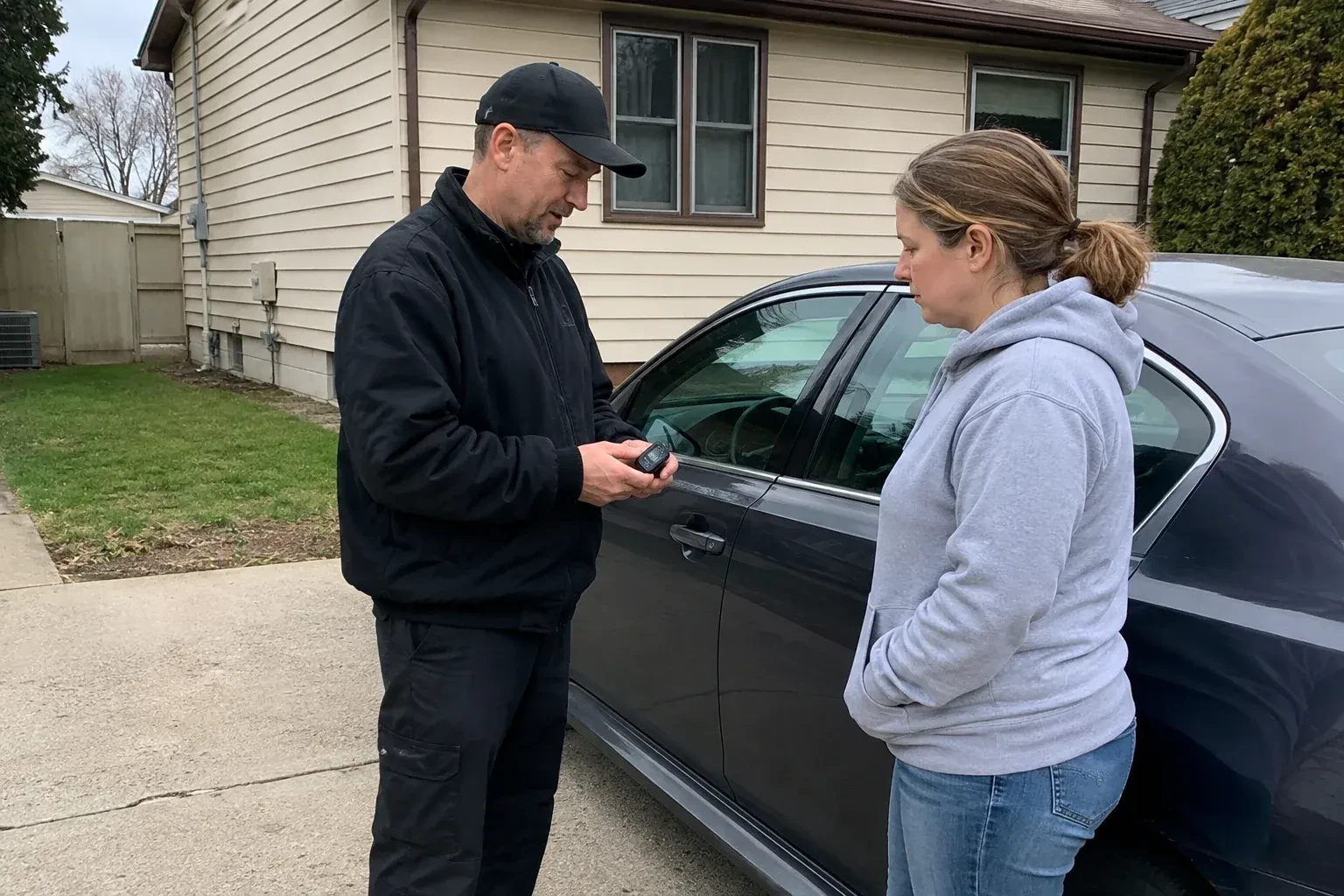
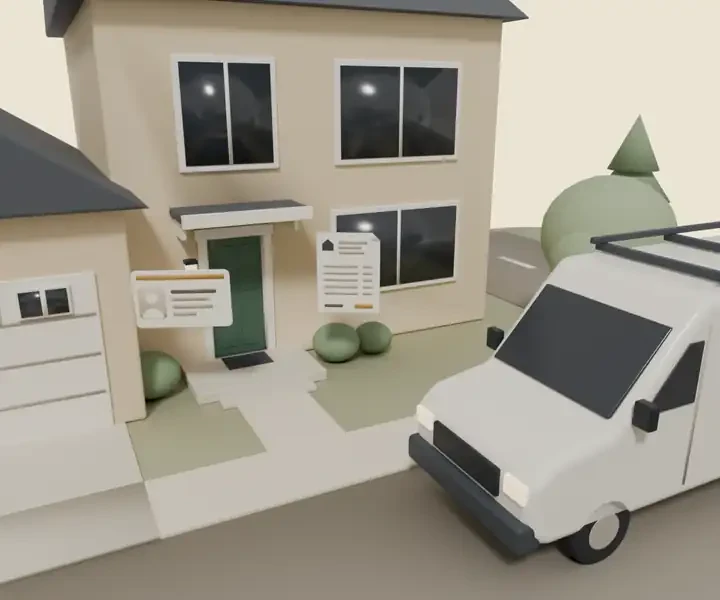
We are straightforward about time. A locksmith heading to Oakwood calls when he is on the way, gives you an honest sense of how long the job will take once he has seen the door, and tells you if something changes. Nobody is left watching the driveway wondering, and nobody discovers the visit ran long only when the invoice arrives.
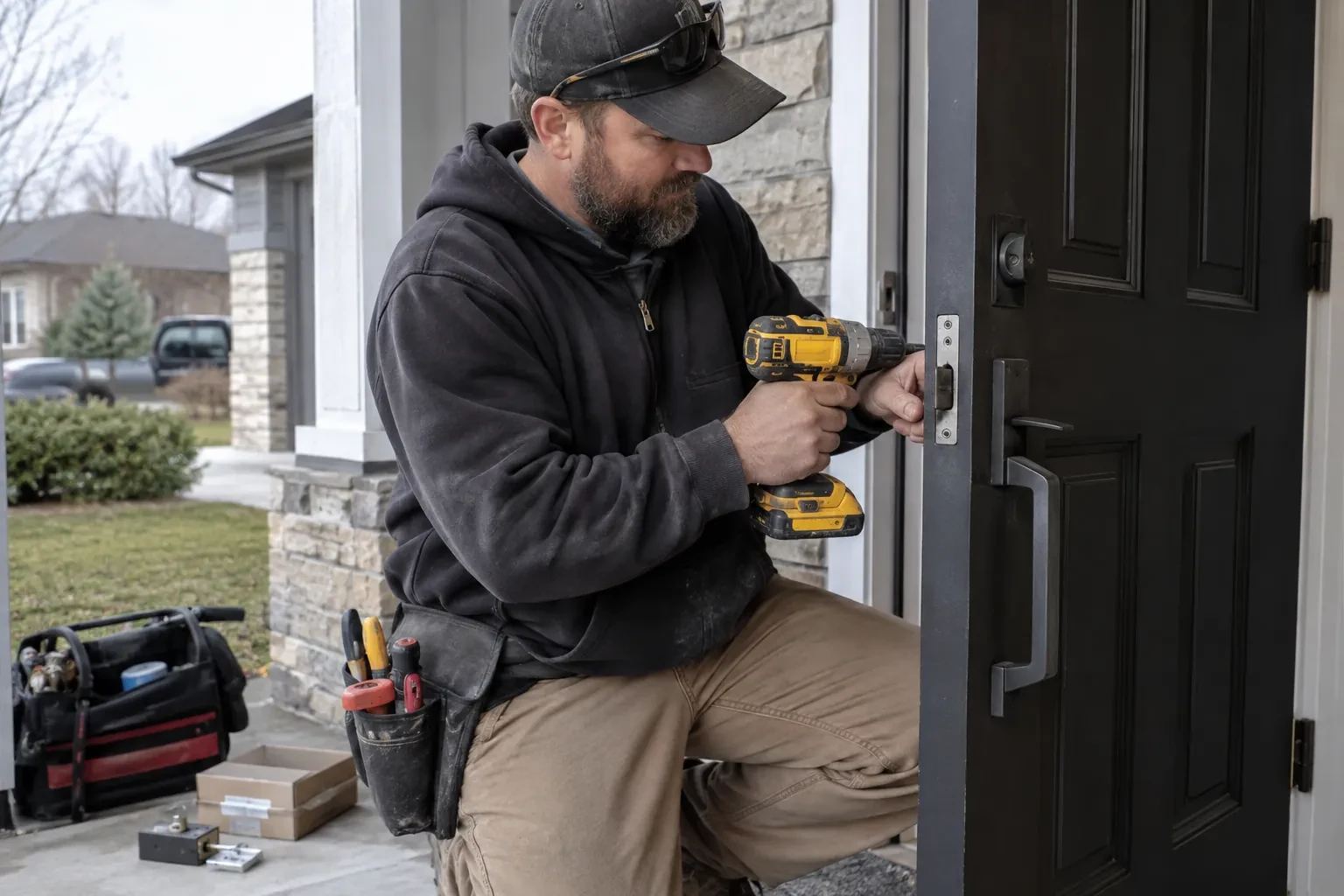
Our approach in Oakwood is the same as everywhere else we work: listen to what the door is doing, look at the hardware and the frame, lay out the choices and let you decide. Then do the job tidily and walk you through the result. Homes, businesses and vehicles all get that treatment, whether it is a snapped key or a full commercial lock change.
28years in business
24/7open every day
Explained before any tool comes out. You will hear what we found, what we suggest and why, before anything is changed. If you want a minute to think, take it.
Choices, not a single answer. Most problems have more than one fix. We lay out the practical options and the trade-offs, then let you choose the one that fits your home and budget.
A tidy doorstep. Shavings swept, packaging taken away, the old hardware offered to you or disposed of. The only sign we were there is a lock that works.
The pages linked here cover each lock service available in Oakwood in the same plain format: the situation it solves, what the locksmith checks first, how he does the work, and how to care for the result. Pick the one that sounds like your door, then reach out to arrange a visit.
About 58% of homes in Toronto were built in 1980 or earlier, according to the 2021 Census.
Older homes
In neighbourhoods of established homes, keys have often been copied many times over many owners. Rekeying every exterior door to one fresh key is the common first job, and it works on old cylinders just as well as on new ones.
Single-detached houses make up about 23% of homes in Toronto (2021 Census).
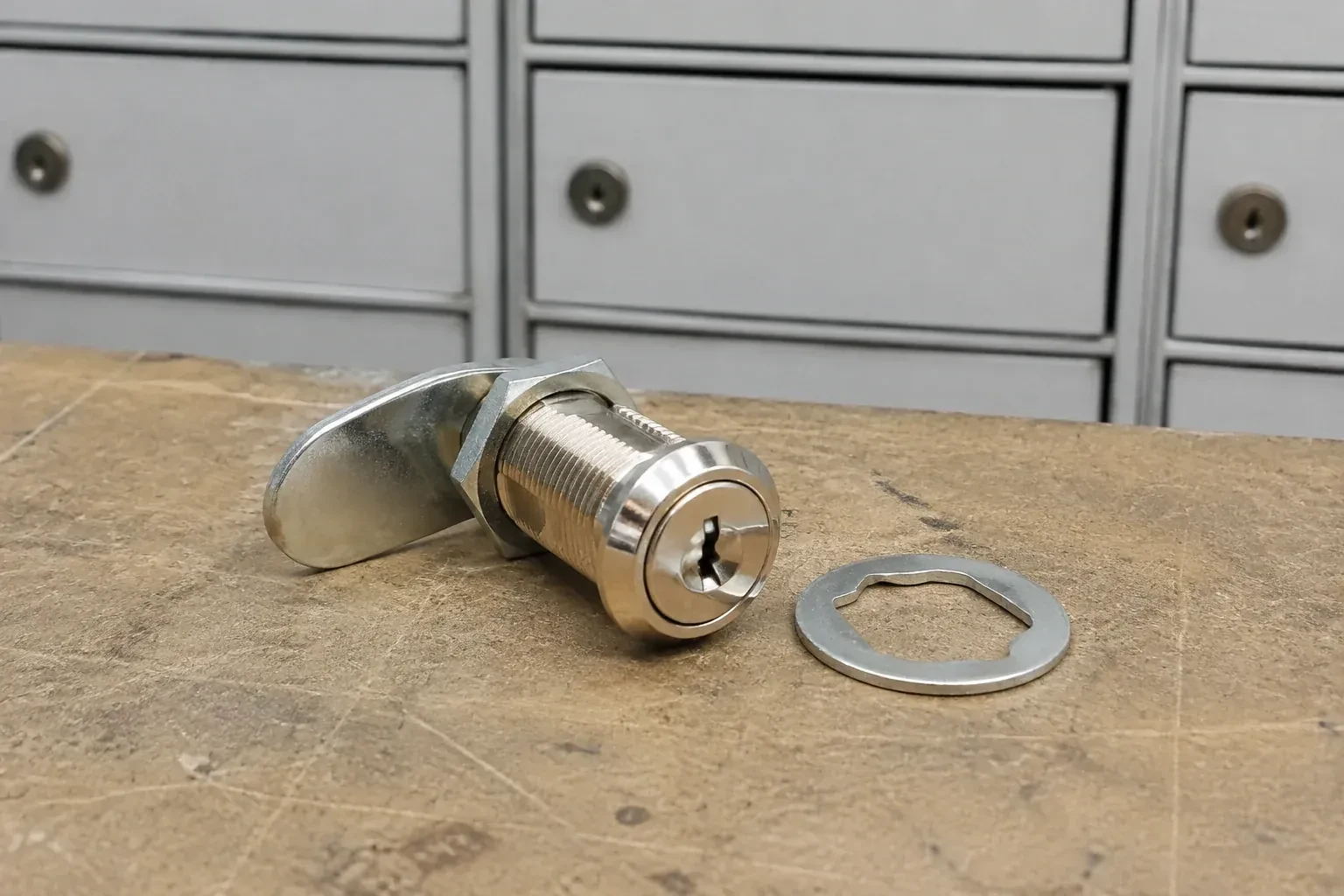
Where most homes are apartments or condos, storage lockers, bike rooms and parking gates carry their own locks. A locksmith can supply and key padlocks and cam locks for those spaces so one household ring covers everything it uses.
The new manager took over the shop last month and only now needs the back-office safe open, but the combination the previous owner was supposed to leave in writing never turned up anywhere in the handover file.
The keypad on the office safe blinks a low-battery warning every morning now, and whoever notices it first quietly hopes someone else deals with it before the batteries finally give out mid-week.
Which fix fits?
After last night's power flicker the card reader beside the clinic door shows nothing.
WhyIn a condo or apartment building, a single failing compartment often turns into several once a property manager starts asking around, and this service scales either way.
The renovation is finished and the contractors have gone, along with the loaner keys they used for six weeks.
WhyTaking over a commercial unit is the moment to make the locks yours.
A new tenant moved into the unit next door, and the property manager just found three different cylinders on three doors, none of them cut to the same key.
WhyFor a business running several locations, this service is often less about one broken lock and more about bringing every door onto a single, manageable key or interchangeable-core system.
The engine cranks, catches for a second and dies, and a small key-shaped light keeps blinking on the dash.
WhyTransponder-based immobilizers became mandatory equipment on new vehicles sold across the country from September 2007 onward, though many manufacturers had already been fitting them for years before that date.
The car came with a second key that grinds and catches in the rear door, unlike the smooth key you use every day on the front two.
Describe the property, the hardware and what has changed, and the visit starts from what you have seen.
1
2
3
01
Listening to the door's history
Has it been forced, does it drag, who has had keys? Those answers tell us whether the frame, the cylinder or the key list needs attention first.
02
Reinforcing what takes the blow
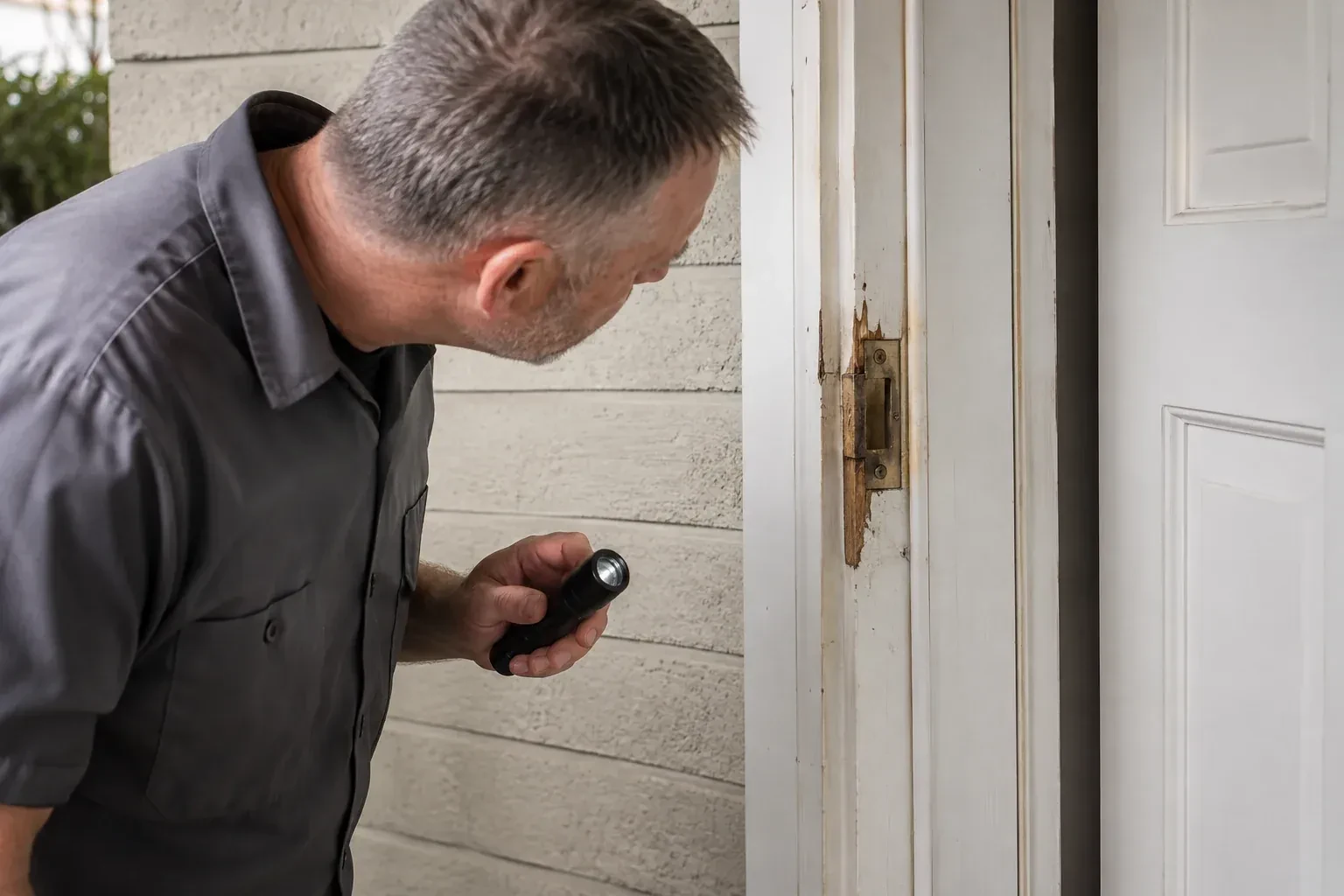
A box strike and three-inch screws into the studs, long hinge screws, and filled holes where the wood has split, before any cylinder is changed.
03
Testing every key in every lock
Doors open, doors closed, both sides, then a push on the locked door to feel for play. We finish by writing down what was fitted.
Good days. Start with a turn.
1/9Business Lockout Service
After last night's power flicker the card reader beside the clinic door shows nothing. Fobs do nothing, the electric strike stays locked, and the small brass override key that came with the system is in a desk drawer on the far side of the door.
Every copy of your house key seems to work a little differently. One needs a jiggle, another sticks halfway, and the original wore down years ago. The lock itself is fine; the keys have drifted so far from each other that none fits cleanly.
After a winter of road spray and salt, the little lock on the mailbox door has gone stiff, then gritty, then almost immovable. Rust has crept in around the keyway, and the key barely turns anymore no matter how it is worked.
The renovation is finished and the contractors have gone, along with the loaner keys they used for six weeks. Trades, delivery drivers and an inspector all came through, and the front door still answers to the key that was passed around the site.
A new tenant moved into the unit next door, and the property manager just found three different cylinders on three doors, none of them cut to the same key.
The engine cranks, catches for a second and dies, and a small key-shaped light keeps blinking on the dash. The blade turns the ignition and the doors perfectly well, but the car has stopped recognizing the chip inside the key.
The proximity fob has ridden in a pocket for years, the range feels shorter than it used to, and a dashboard warning mentioned a battery a while back. Nobody has sorted out what happens on the day it finally goes dark.
Every key that ever opened the car is gone at once, one taken with a stolen bag, the spare misplaced months ago and never replaced. There is no working key left anywhere in the house, the garage, or a coat pocket, and the car sits exactly where it was parked.
The car came with a second key that grinds and catches in the rear door, unlike the smooth key you use every day on the front two. It eventually turns, but the roughness has been there since the day you brought the car home.
Our door uses fobs and the reader is dead. Can you get us in?
Yes, and usually without disturbing the access system. Many readers and electric strikes go dark because a power supply, breaker or backup battery has failed, and restoring power reopens the door. Where a mechanical override cylinder is fitted, it opens like any other lock; not every system includes one. An ordinary magnetic lock releases on its own once its power is actually removed, so a genuine power loss opens that door without waiting on a remote release. Afterwards, credentials and schedules are confirmed with whoever manages the system.
I rent. Can I have my locks rekeyed?
Yes, with your landlord's agreement, which is what the tenancy rules here expect before a tenant changes a lock. Most landlords are glad to consent when a key has gone missing or a former roommate has moved out, and the locksmith will want to hear that the landlord knows and will be holding one of the new keys. The rekey itself runs the same as for an owner, and a short note listing the doors done is handy to pass to the landlord.
Will you drill my mailbox lock, and does that damage the compartment?
Drilling is kept as a last resort, used only when the lock is seized, the key is gone, or an earlier attempt has already damaged the mechanism, and it is explained before it starts. The drill is aimed precisely at the lock itself, so the compartment door around it is left alone, and a new lock is fitted during the same visit so the compartment is never left standing open.
Should we rekey every time an employee leaves?
Rekey when a key has not come back or when the departure was unfriendly; when a key is returned and the register confirms it, the cylinders it opened are as secure as before. Businesses that want a response to every departure without a visit each time fit interchangeable cores and swap them in-house. Whatever the trigger, dealing with only the cylinders that key opened keeps the response proportionate.
What information should I have ready before the visit?
It helps to know roughly what is on the door now, knob, deadbolt, exit device or something else, whether other doors on the property share a key with it, and who in the business can authorize the work and sign off on keys. Photos of the current hardware and any fire label on the door are useful if you can get them ahead of time.
How long should I allow for the visit?
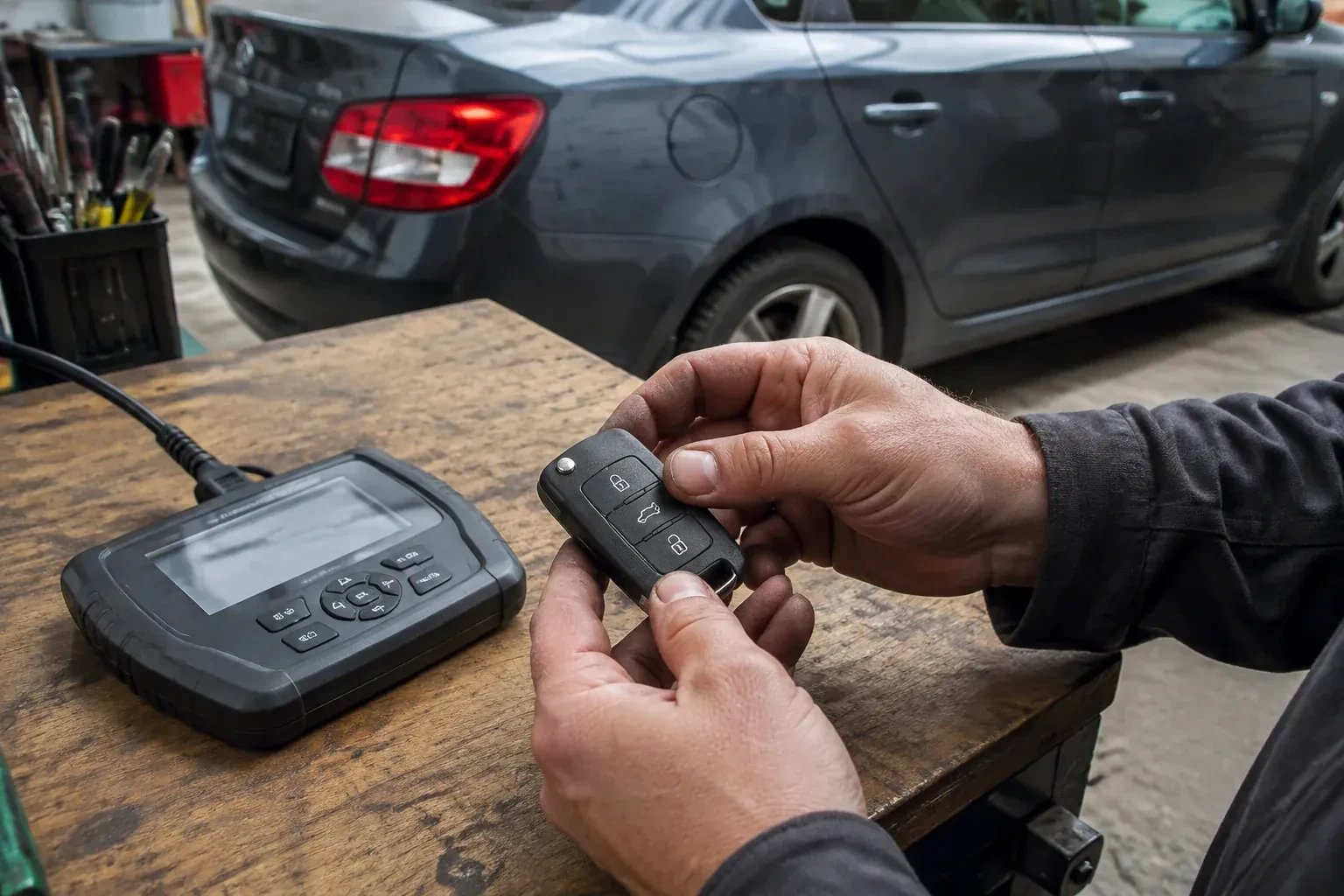
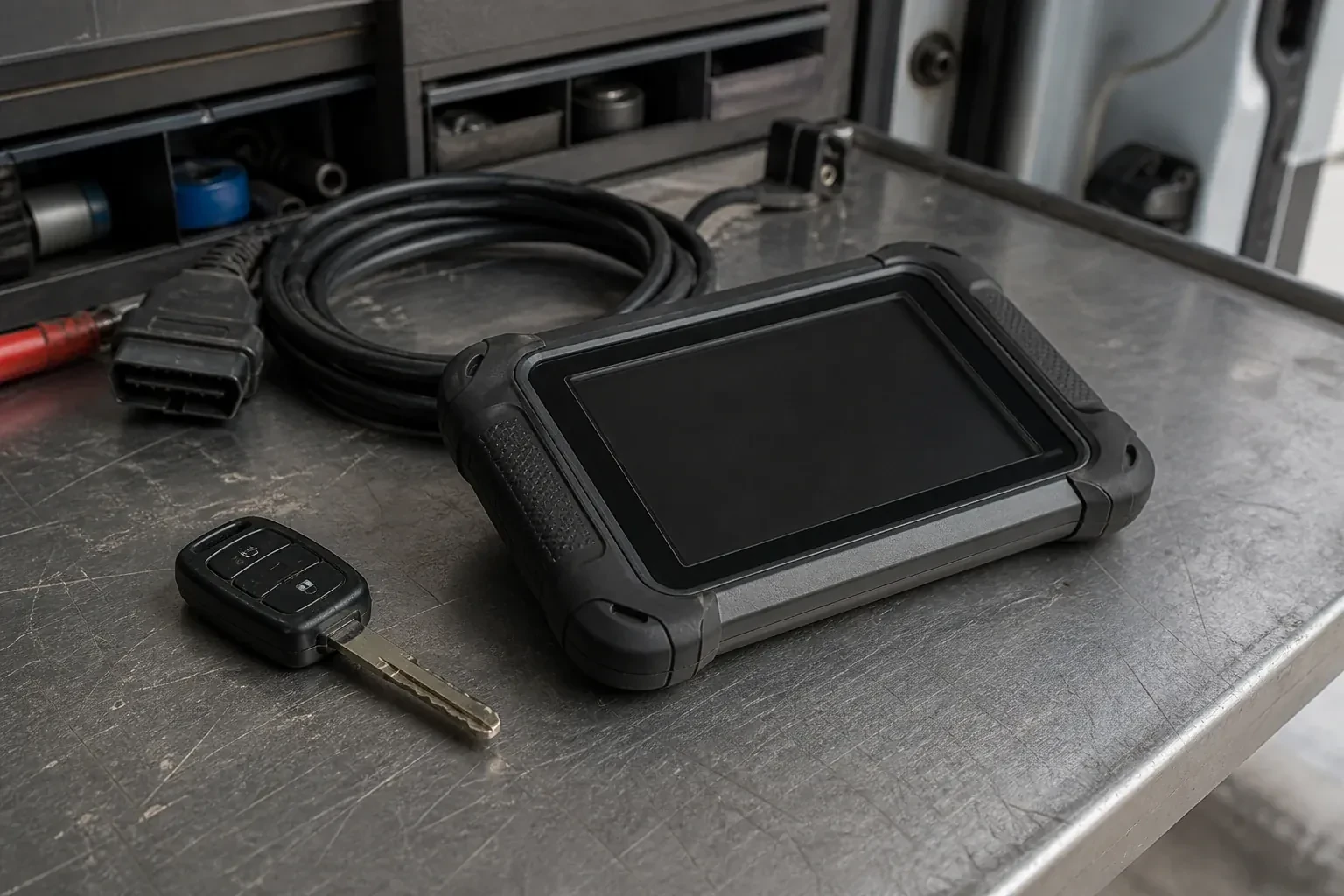
It depends on the starting point. Adding a spare to a car with a working key is often the shortest kind of visit. An all-keys-lost job on a newer vehicle takes longer, because the car has to be opened, the lock decoded, the immobilizer reset and any security timer waited out. Milling a high-security blade and pairing a proximity fob add their own steps. The locksmith gives you a realistic window once the VIN and the situation are known.
What testing happens before I leave with the new key?
Every door lock, the trunk or hatch, the ignition or start button, and any remote functions are checked with the new key on its own, apart from the original, so neither key is quietly helped along by the other's signal. The vehicle is started more than once to rule out an intermittent issue, and only once both keys pass independently is the visit considered finished.
Can a vehicle from before transponder keys were common have one added now?
It depends on the vehicle and what its factory ignition system supports; some older models can accept an aftermarket immobilizer and matching transponder key, while others were never built with a compatible module at all. This is worth discussing model by model rather than assuming either answer, since the mechanical side of an older ignition is often the easier half of that conversation.
How does a locksmith reach the actuator or linkage inside my door?
The interior trim panel is removed using tools shaped to release its retaining clips without marking the panel. On many doors that exposes the cylinder, the linkage rod and the power actuator for individual testing and repair, though some doors keep a carrier plate, water shield or window guide in the way, or use an integrated latch and actuator assembly, and are worked on accordingly.
Request a visit
We are straightforward about time. A locksmith heading to Oakwood calls when he is on the way, gives you an honest sense of how long the job will take once he has seen the door, and tells you if something changes. Nobody is left watching the driveway wondering, and nobody discovers the visit ran long only when the invoice arrives.