Lockouts · Toronto
Seized & Jammed Lock Opening
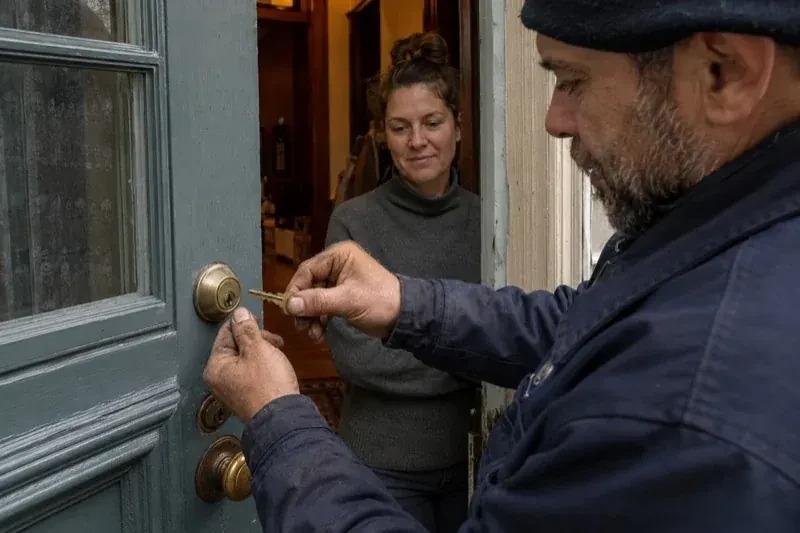
It is the coldest morning of the winter and the key goes halfway into the side door and stops.
In plain words
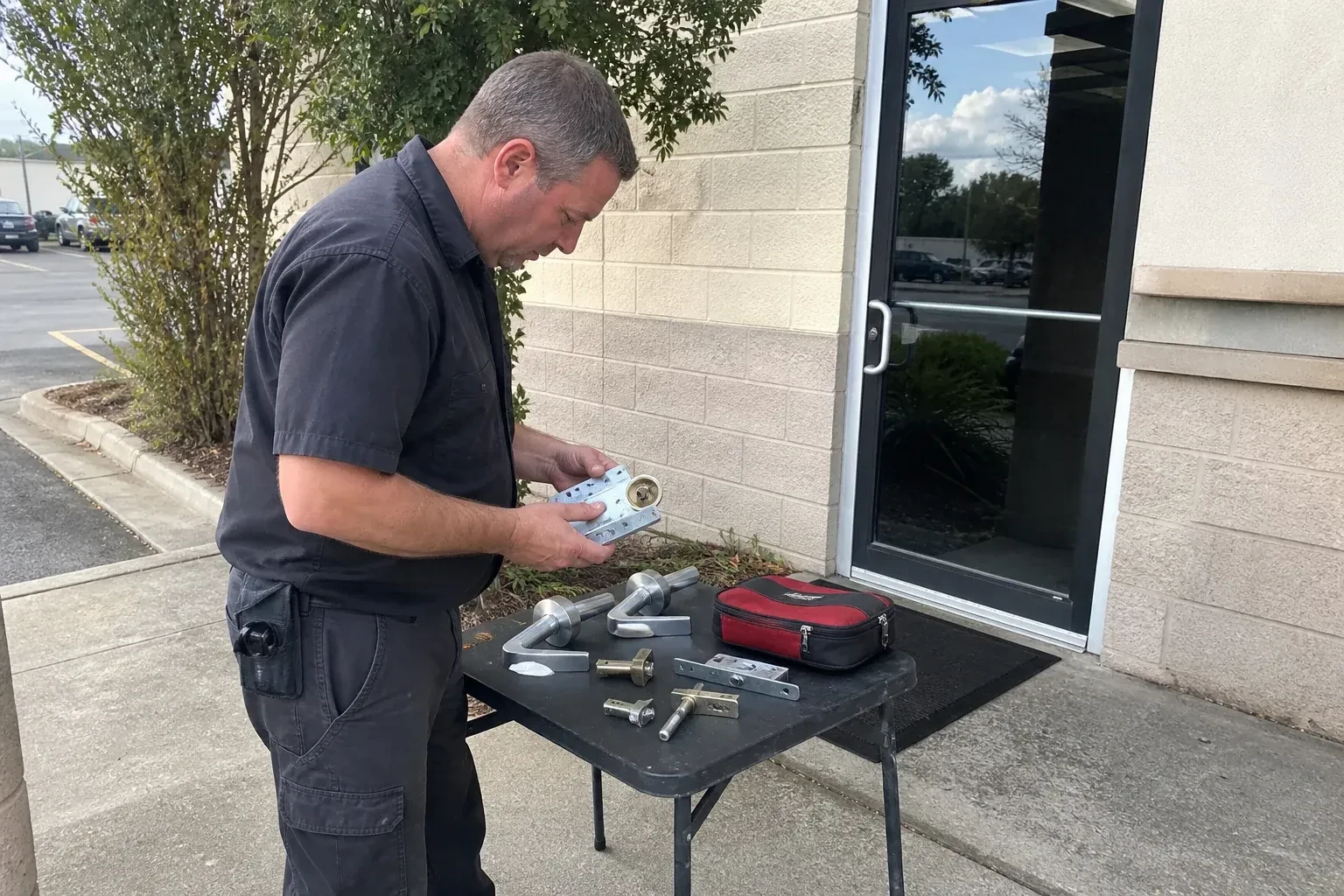
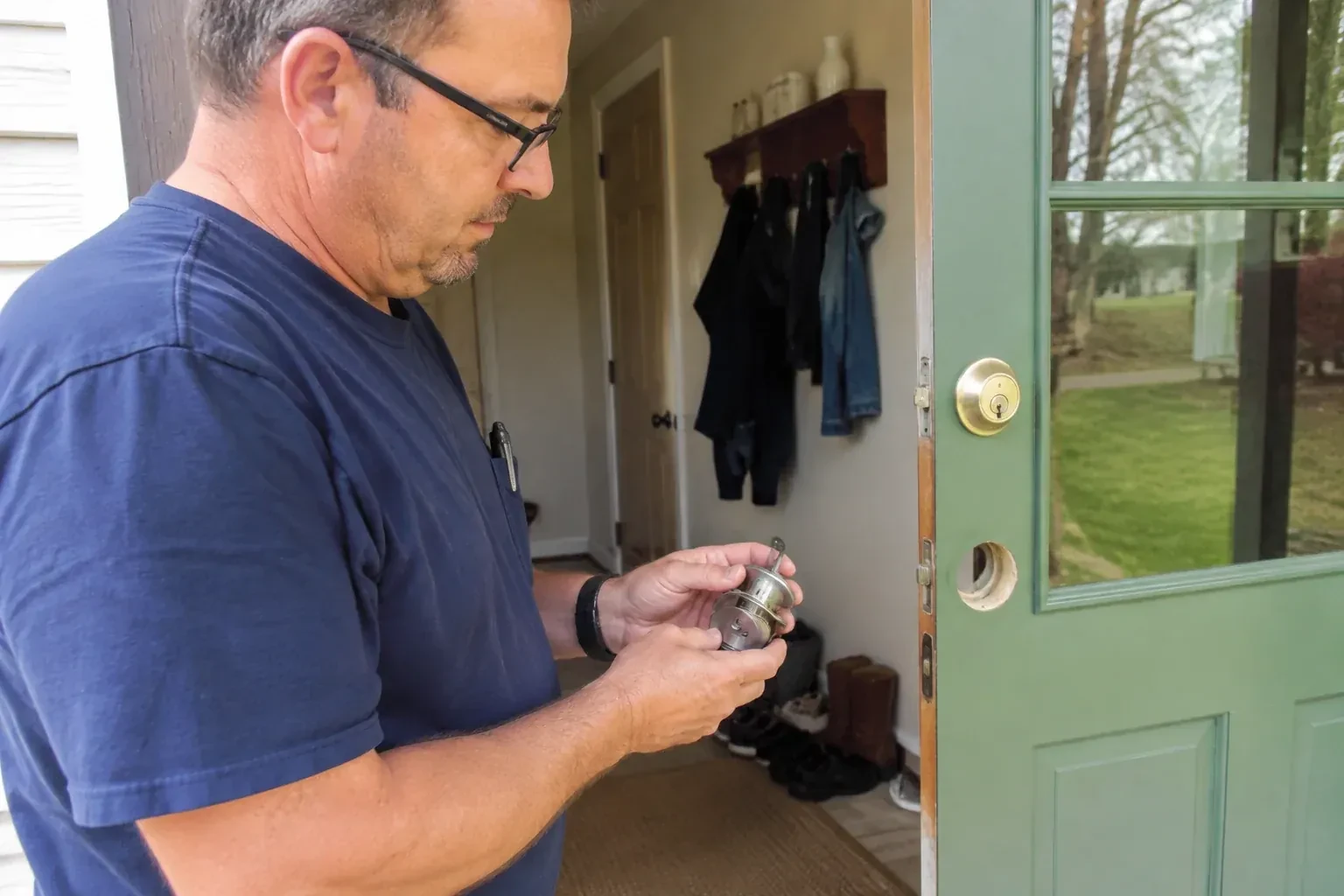
When the cylinder is the part that has seized, the work is about cleaning rather than force. Keyways collect dust, salt spray, metal filings and residue from sprays never meant for locks, and over time the pins stop lifting cleanly. The locksmith flushes the plug with a contact cleaner, applies a penetrating lubricant, and works the key in small movements until the plug turns. With the door open the cylinder comes out, is stripped and cleaned, gets fresh springs or pins where worn, and is dressed with the lubricant specified for that cylinder. A plug or shell that is worn, damaged or eaten through by corrosion is what gets replaced.
How the visit goesThe key turns a full circle without any resistance and the deadbolt stays exactly where it is. There is no click, nothing moves behind the face of the lock, and the door is as closed as it was before you touched it.
Seized & Jammed Lock Opening
How the visit goes
Which of the three families it belongs to
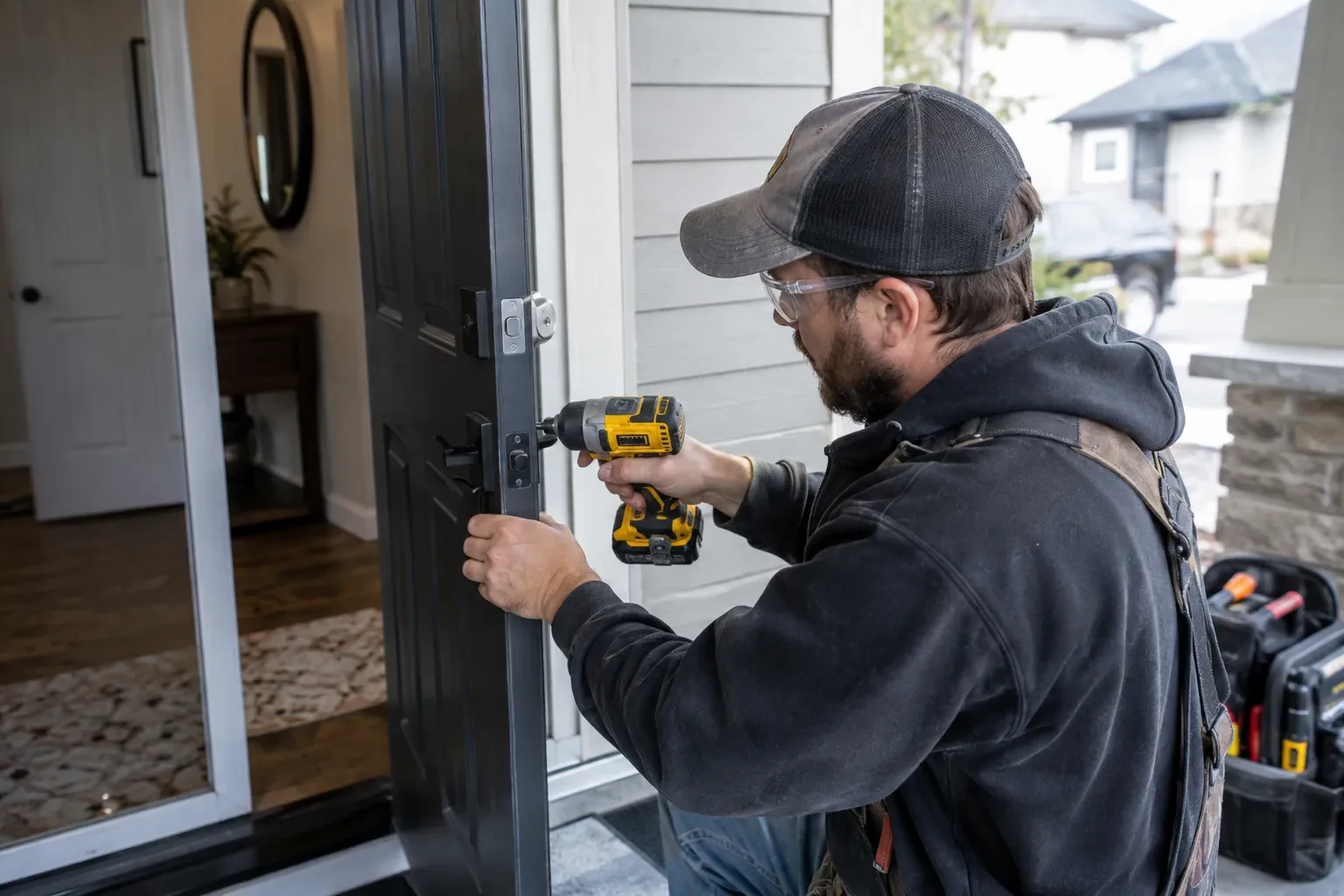
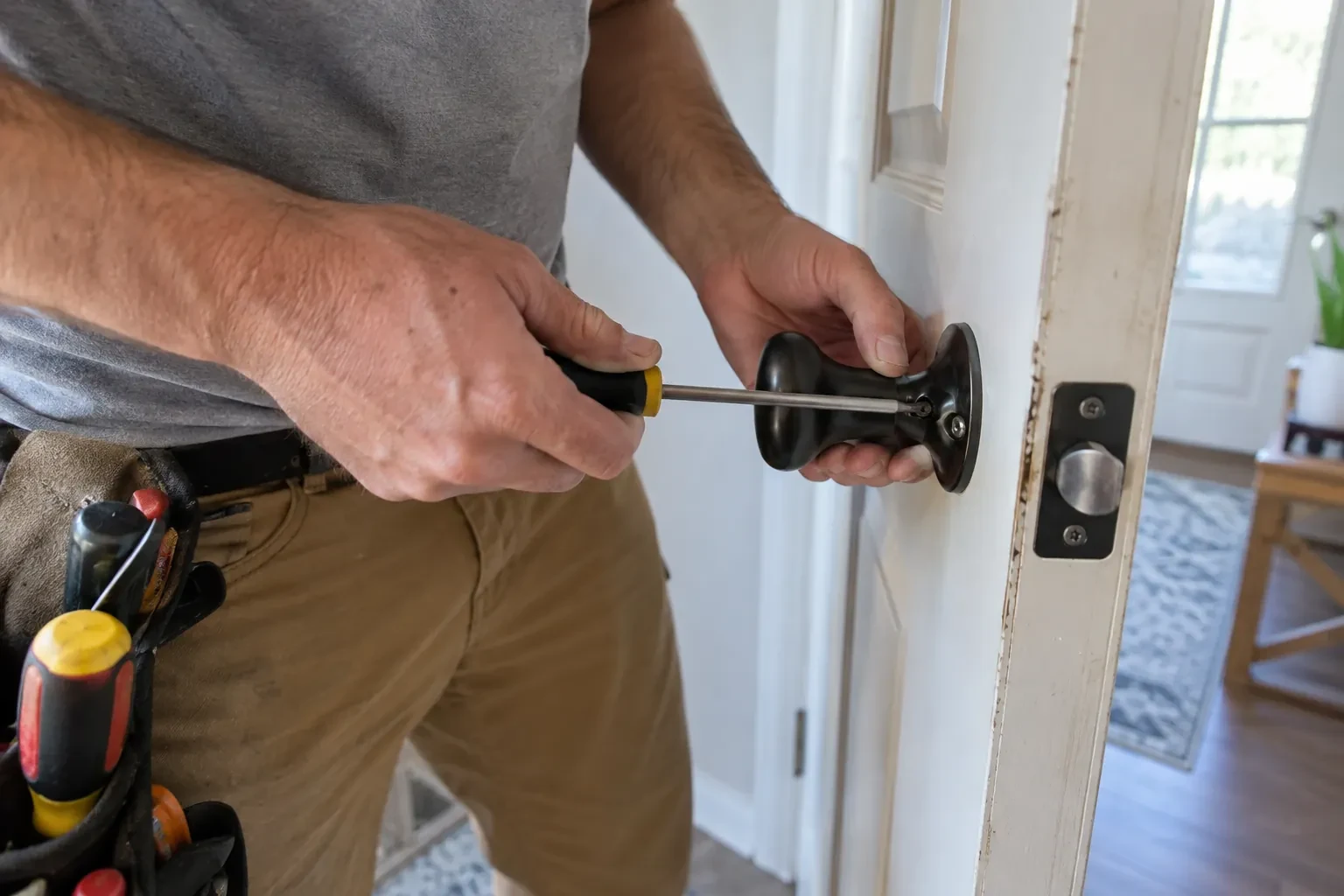
Every jammed lock falls into one of three groups, and sorting it is the whole diagnosis. A key that enters fully and will not turn points to the cylinder: grit, ice, corrosion, dried lubricant or a plug that has not returned to its neutral position with the shell. A key that turns freely and moves nothing points to the connection behind the cylinder, the tailpiece or cam, or to a broken hub in a mortise case. A key that works only when the door is pushed, pulled or lifted points past the lock entirely to the door and its strike. Each group has its own opening method and its own repair.
Proving it with the door open and shut
The job is finished with testing rather than with the last screw. The bolt is thrown and drawn back with the door open to prove the lock itself, then with the door closed to prove the door and strike, then from the inside with the thumb-turn or lever. Every key you hold is tried, including the spare from the drawer. If the door is a main exit, the locksmith confirms it opens from inside with one motion and no key. Any hardware that was adjusted is cycled a dozen times to make sure it stays put, and the finish is wiped clean of cleaner and lubricant.
Set up for the freeze-thaw months
After a winter jam the cylinder has been dried and dressed with a lubricant that sheds moisture, and you know the routine for the next cold snap. A keyhole cover or a storm door keeps meltwater out of an exposed lock. A tube of de-icer in the car or coat pocket is the answer to a frosted cylinder, and boiling water is never the answer. Rinse salt spray off hardware near a treated driveway or walkway when the weather allows. Doors on the shaded side deserve a check after the first hard frost, because they hold ice long after the sunny side has cleared.
Seized & Jammed Lock Opening
In the van
Long hinge screws
Replacement cylinder
Replacement tailpiece or cam
Mortise case spring and hub
Strike plate and hinge shims
Seized & Jammed Lock Opening
What affects the quote
Small parts behind the cylinder
Tailpieces, cams, springs, cylinder caps and pins are minor items, but each one used is named on the quote so you can see what went into the lock.
Matching finish and keyway
A replacement that has to match an unusual finish or a restricted keyway takes a specific part rather than a stock one, and the quote reflects the part.
Cutting fresh keys
If a worn key was part of the trouble, keys cut from the code or a fresh master are counted individually, so say how many the household or staff need.
What to have ready
- Is there another door you can use in the meantime?
- Do you have a spare or original key you could try?
- Does the lock work if you push, pull or lift the door while turning the key?
Seized & Jammed Lock Opening: questions
QuestionsWill I need a whole new lock?
Usually not. Most jammed locks are saved by cleaning the cylinder, fitting a small part such as a tailpiece or spring, or adjusting the door so the bolt has room. A new cylinder is fitted when the plug or shell is corroded through or twisted by forcing, matched to your finish and, where possible, pinned to your current key. A complete new lockset is usually a choice you make rather than a requirement, though some internal failures cannot be serviced in place and call for a full replacement.
The thumb-turn is stuck from inside and we need that door to get out. What should we do?
Use another exit for now and call. From the inside the fault is usually a bolt pinned by the frame or a bent spindle, both of which the locksmith frees without damage. A main exit door should open from inside without a key or special knowledge, so the repair leaves the door doing exactly that, and if the hardware on it was the wrong type for an exit, a thumb-turn deadbolt is suggested.
What lubricant should I use afterwards, and how often?
Whatever lubricant and interval the cylinder's manufacturer specifies, applied with a few turns of the key. Stay with that one product, because mixing different lubricants can make a paste. Oil, hinge silicone and general-purpose penetrating sprays are kept out of the keyway. Lock manufacturers describe cleaning the cylinder with an electronic contact cleaner before lubricating, and that is the order the locksmith follows on a service too.