Locksmith in Forest Hill, OntarioNew keys foryour place in Forest Hill
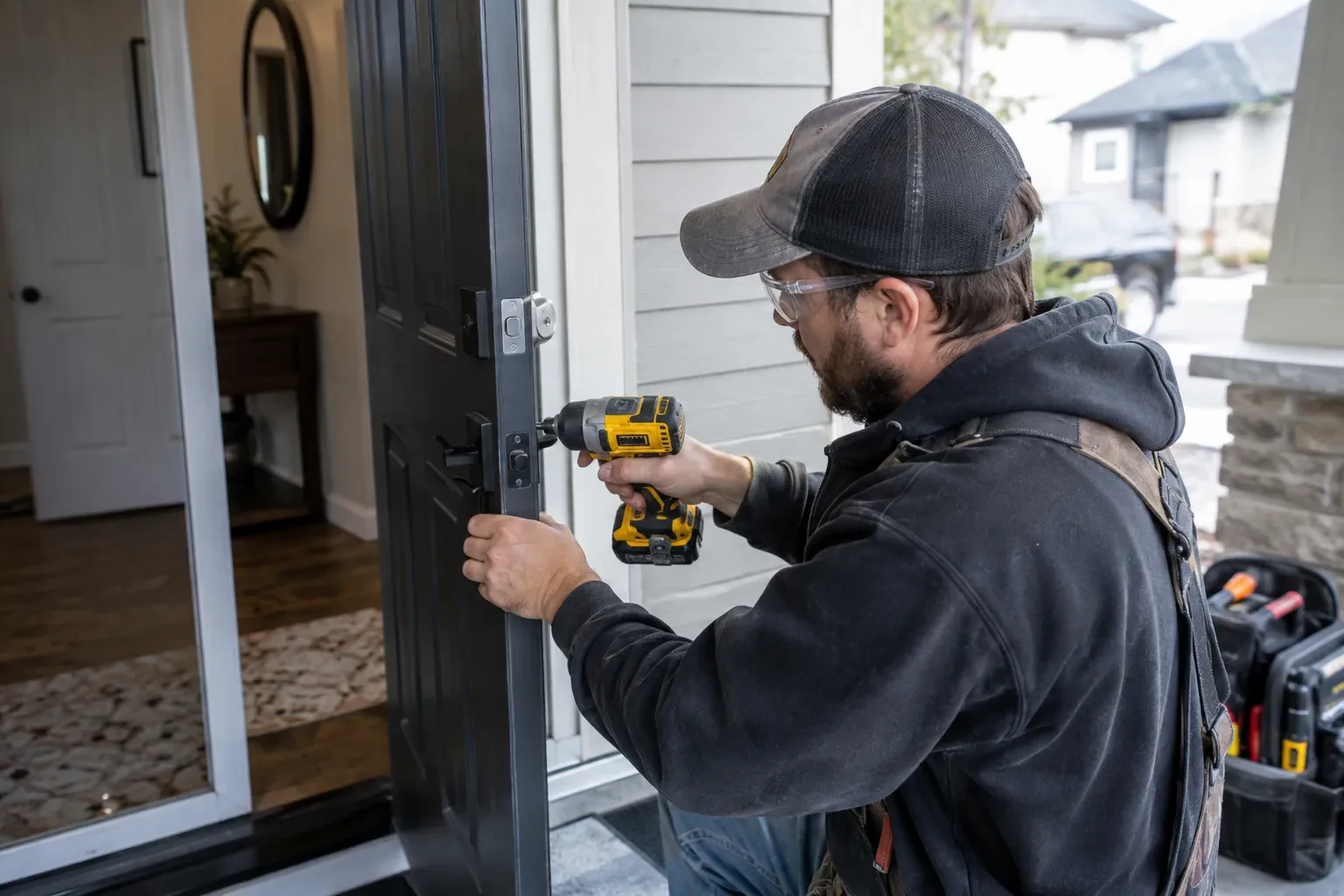
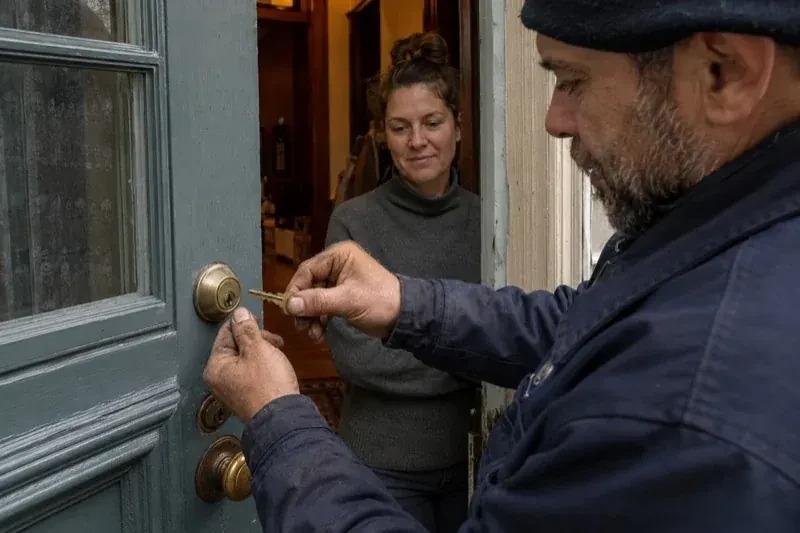
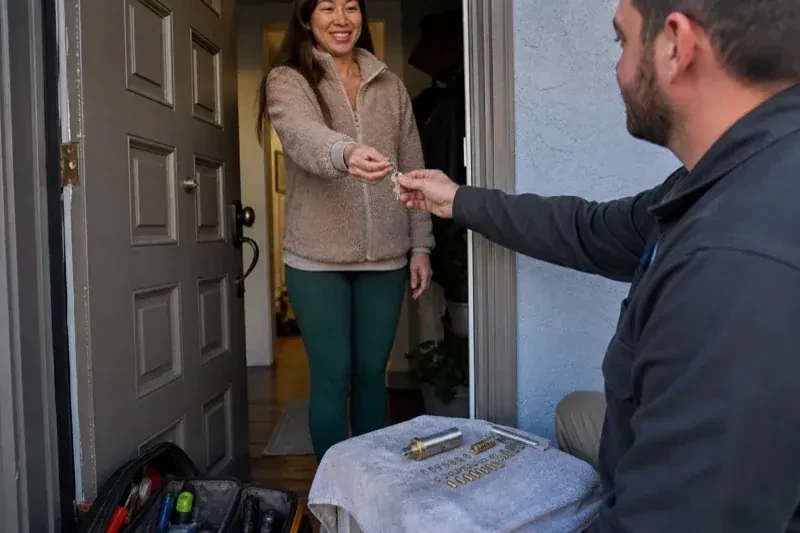
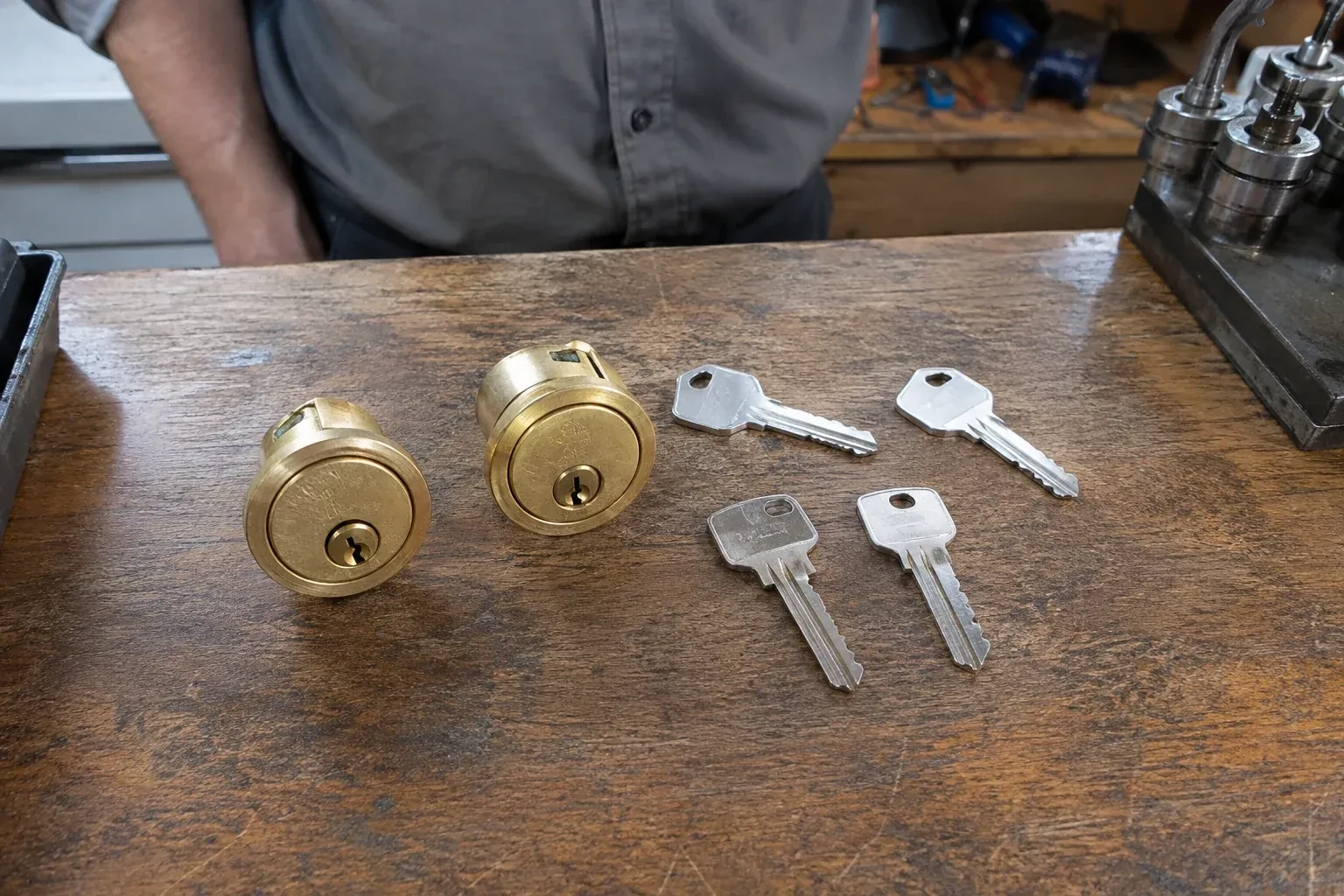
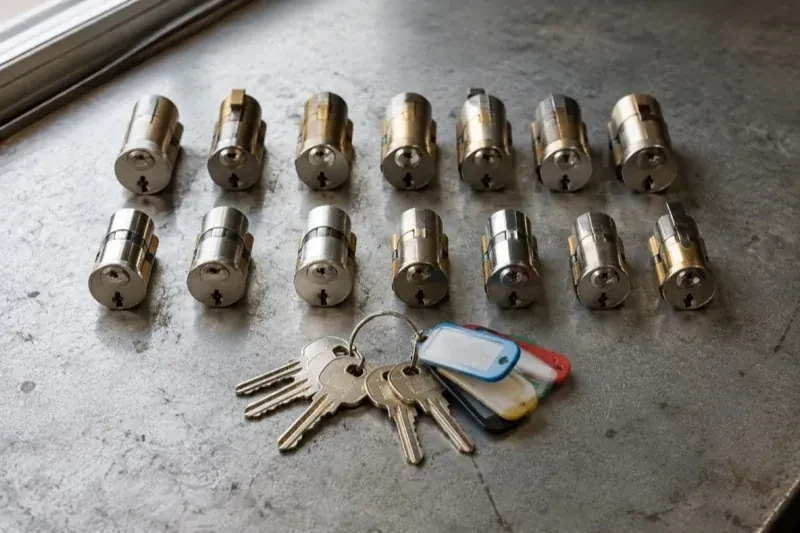
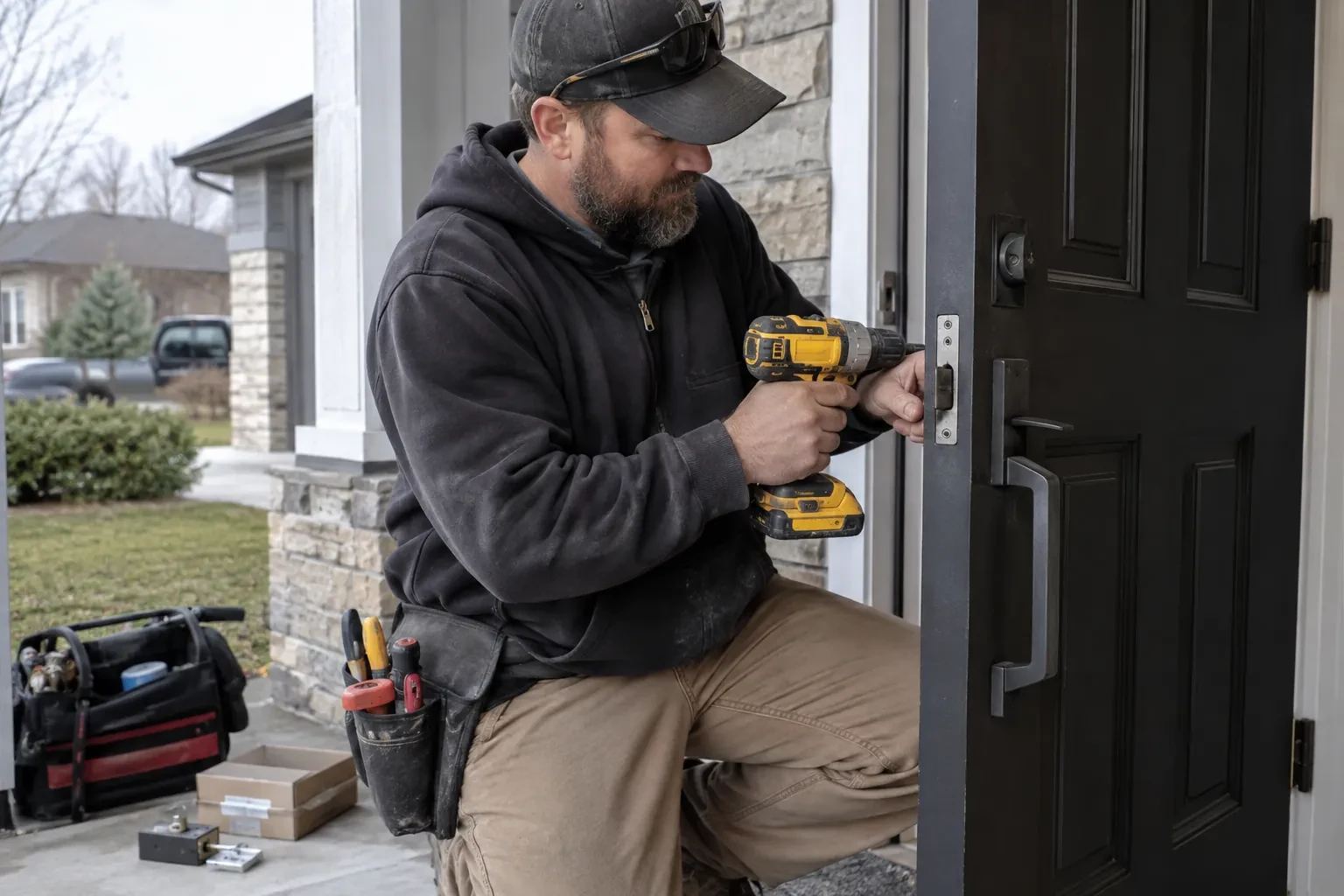
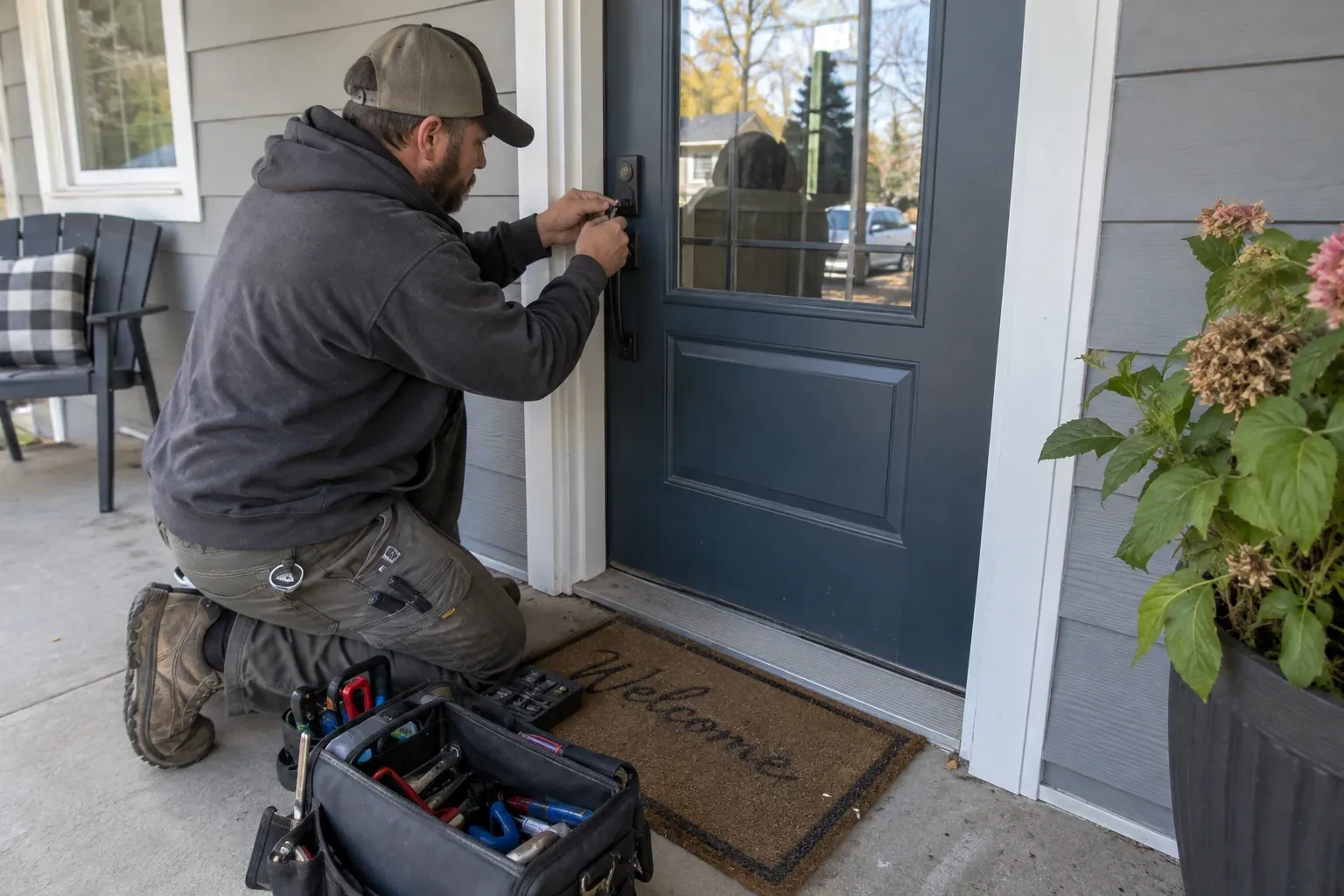
Moving into a home in Forest Hill means somebody else's keys are still out there: a former owner, a tenant, a painter, a cousin who once watered the plants. Rekeying every exterior lock to one fresh key settles the question in a single visit, and the same job suits a rental turning over or a shop changing hands.
Moving into a home in Forest Hill means somebody else's keys are still out there: a former owner, a tenant, a painter, a cousin who once watered the plants. Rekeying every exterior lock to one fresh key settles the question in a single visit, and the same job suits a rental turning over or a shop changing hands.
One key, every door, no fuss.
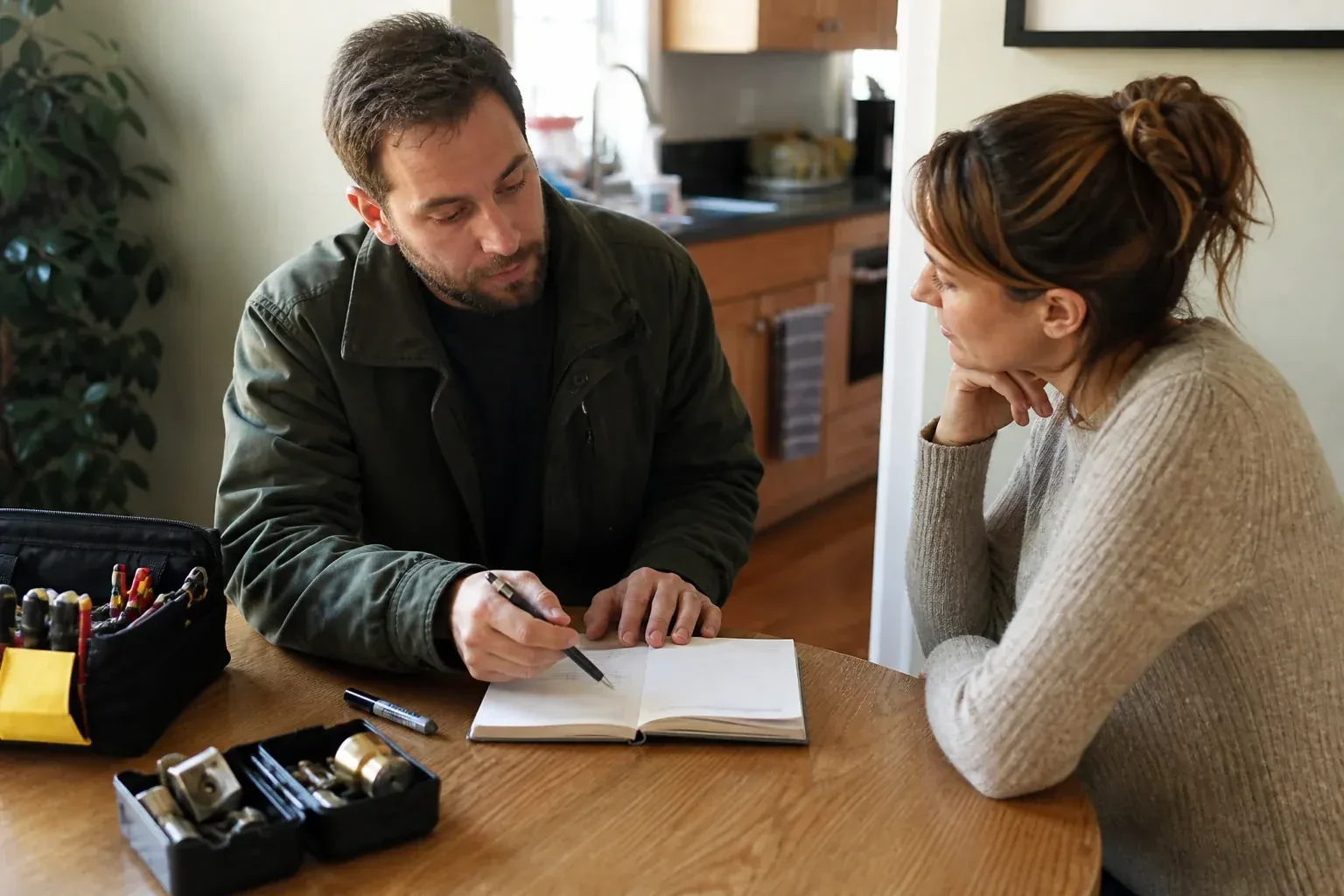
The fee for a visit in Forest Hill is the same at any hour, and it is settled at the door after the locksmith has assessed the hardware. That order matters. Assess first, then price, then work, so you always know what is being done and what it costs before a tool comes out. There are no surprises added afterwards.
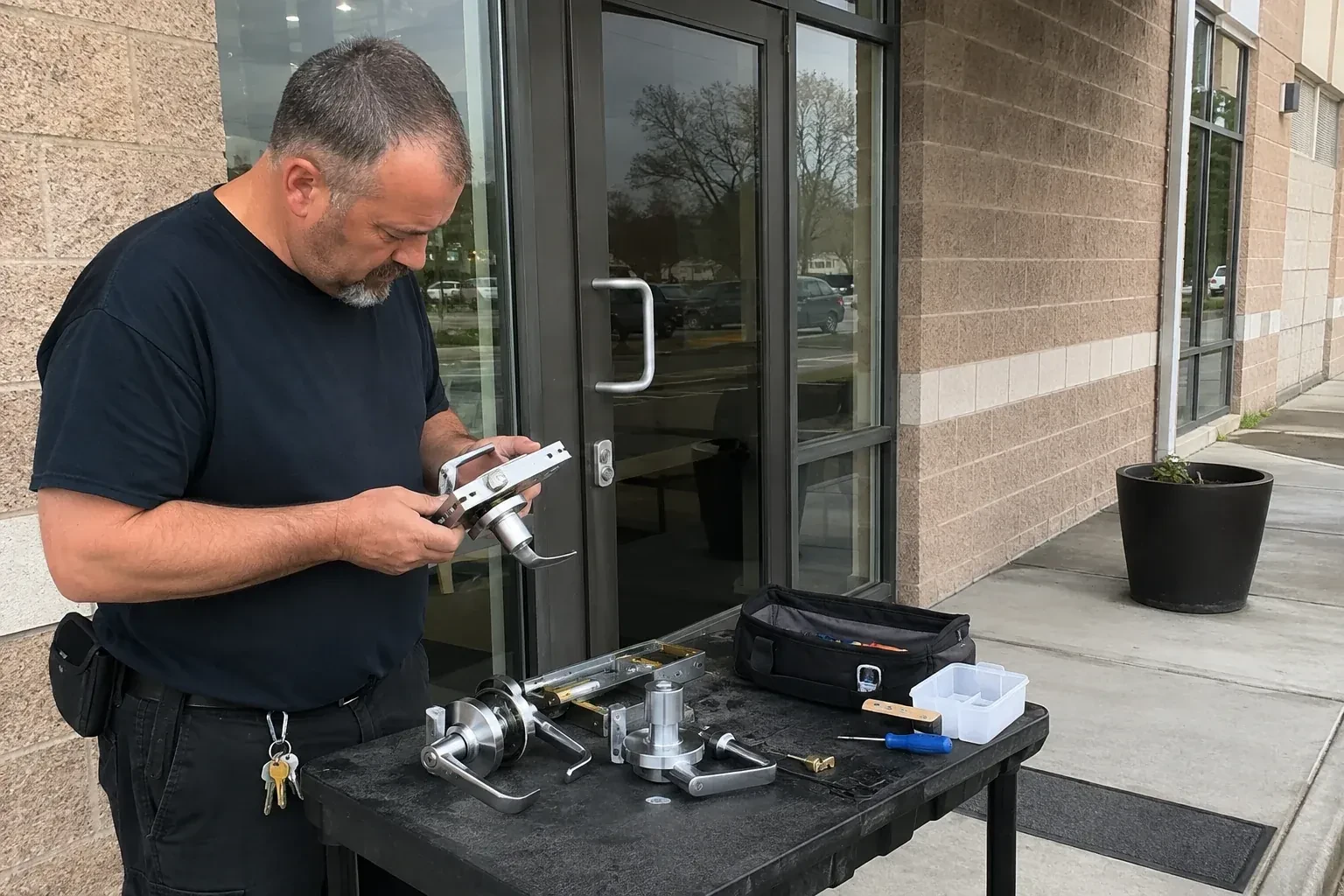
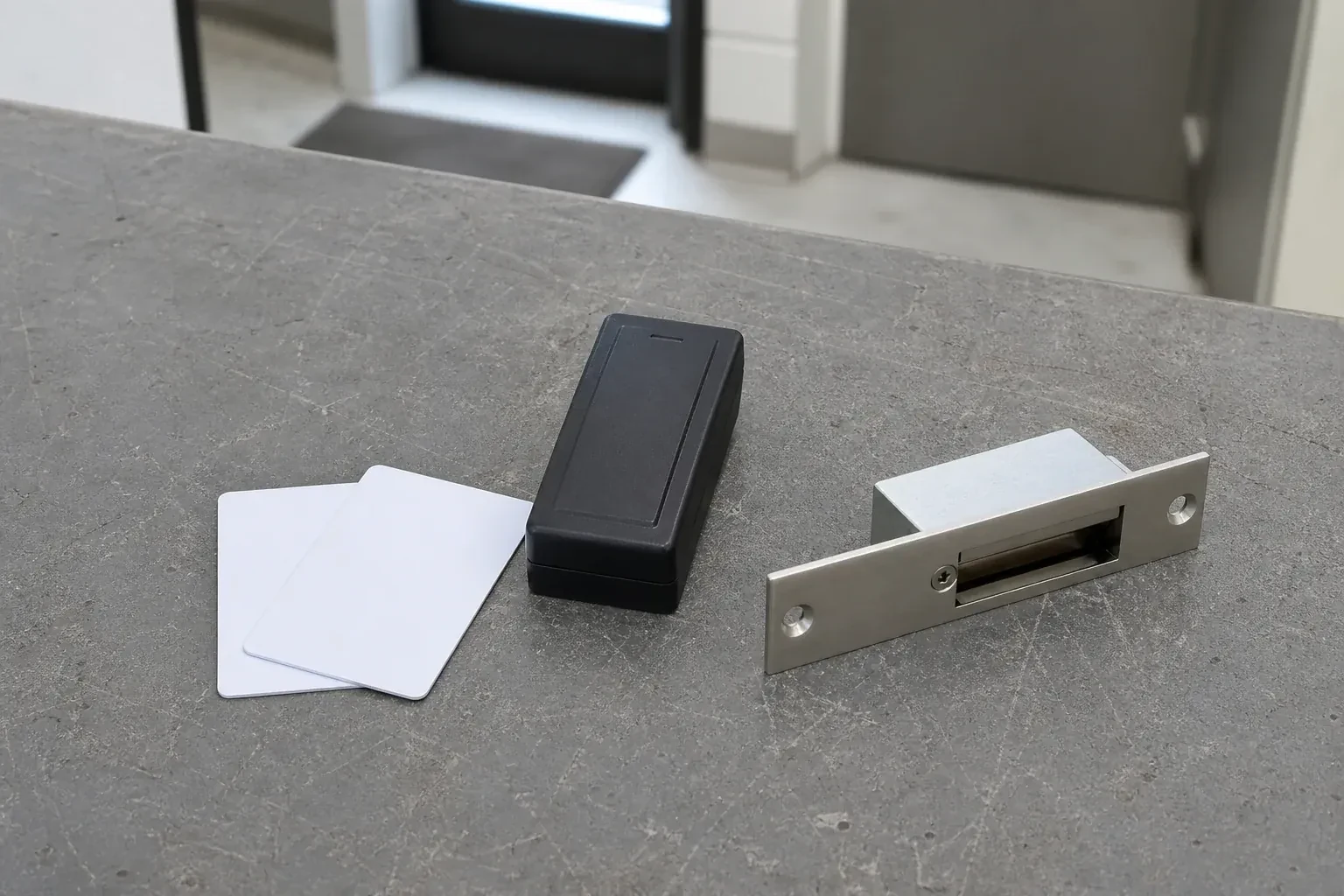
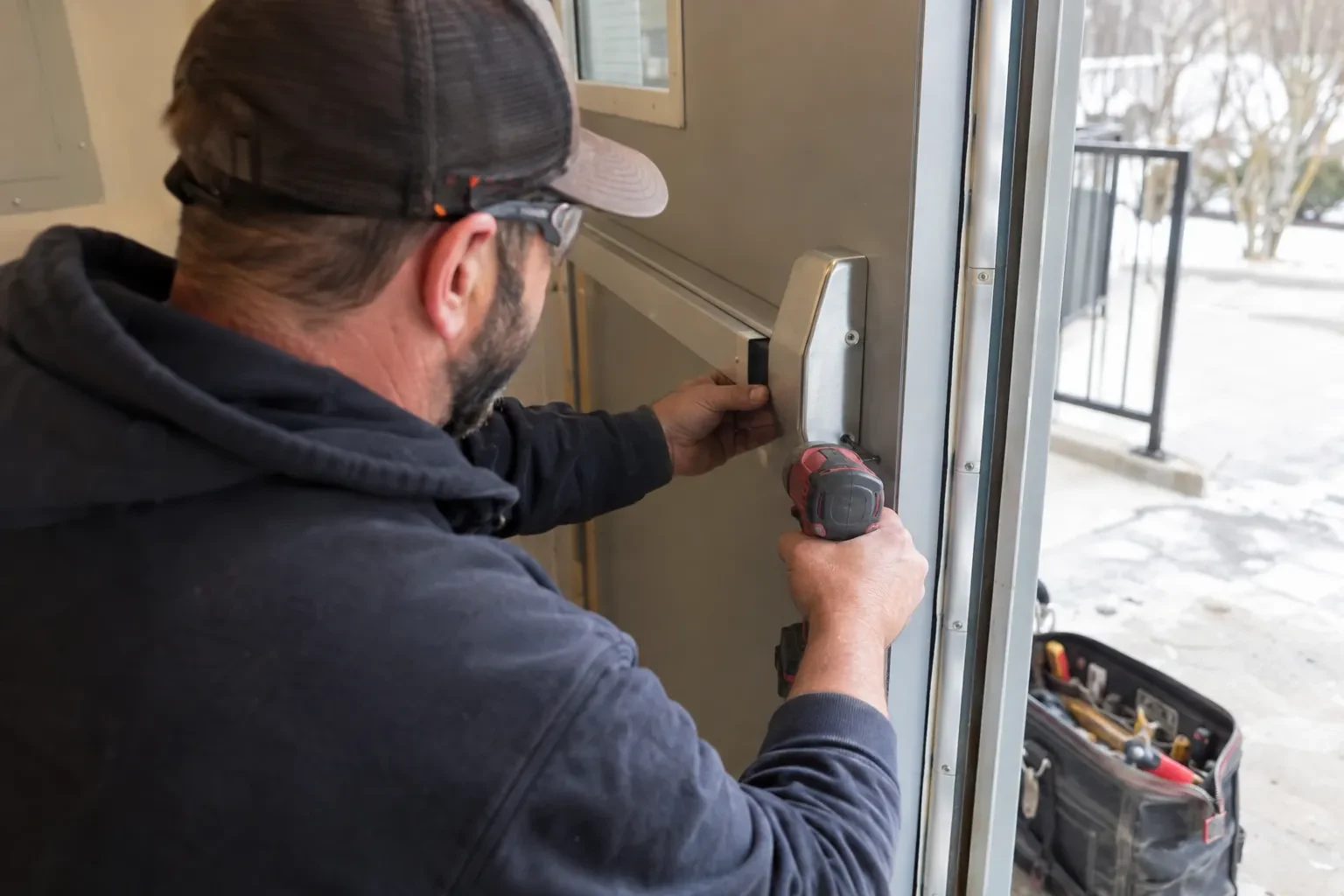
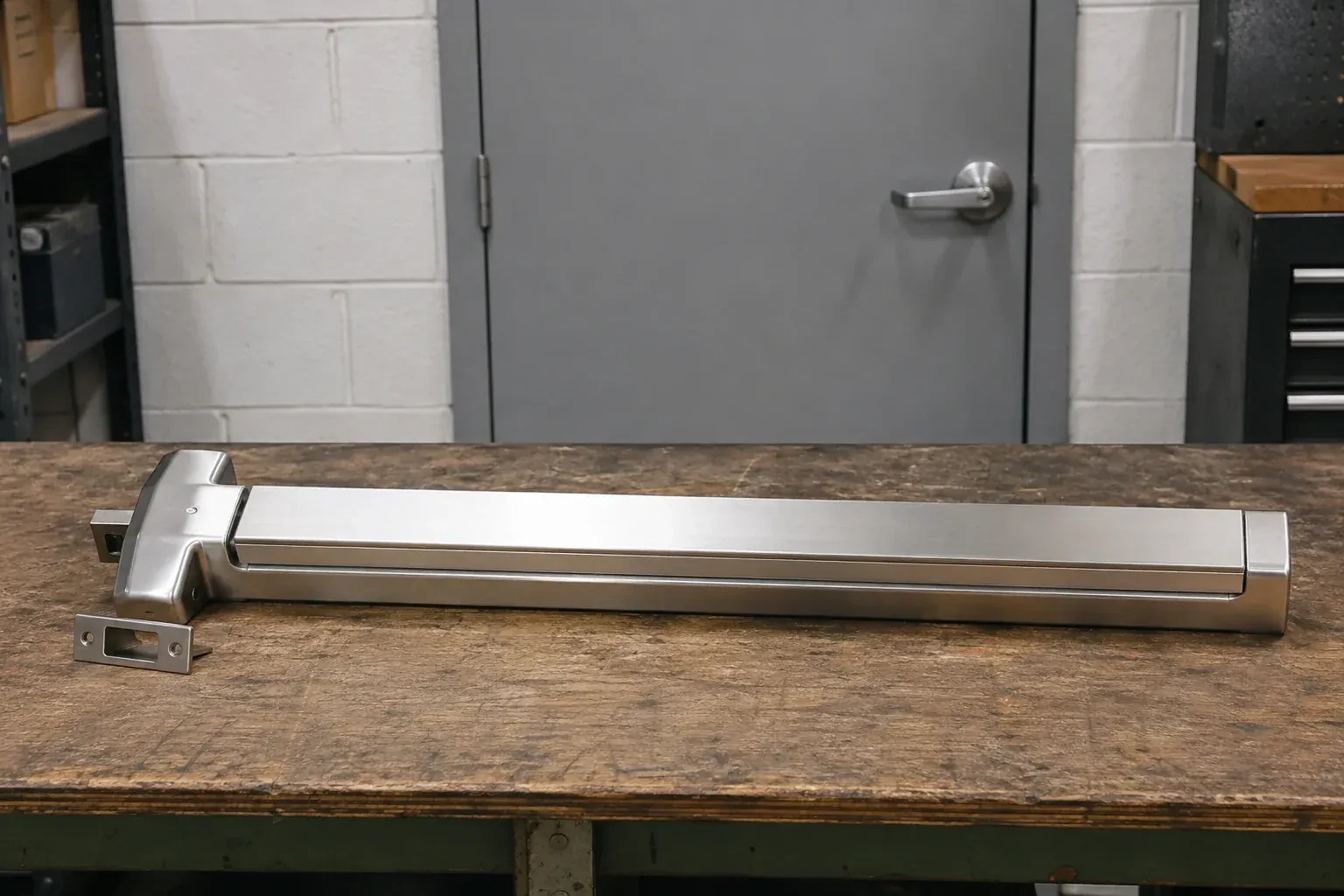
Businesses in Forest Hill have their own set of lock questions: who holds keys, what happens at staff turnover and whether the back door really closes. We help shops, offices and small warehouses sort these out with rekeying, key logs, keypads and panic hardware that suits the building. Work can be timed around your hours, and we leave you with a system your team can actually manage.
28years in business
24/7open every day
Explained before any tool comes out. You will hear what we found, what we suggest and why, before anything is changed. If you want a minute to think, take it.
Choices, not a single answer. Most problems have more than one fix. We lay out the practical options and the trade-offs, then let you choose the one that fits your home and budget.
A tidy doorstep. Shavings swept, packaging taken away, the old hardware offered to you or disposed of. The only sign we were there is a lock that works.
Choose a service to see how it works in Forest Hill. Each page explains the situation it suits, what the locksmith looks at first, how the job is done, and how to look after the hardware afterwards. If your problem sits between two services, either page will get you to the right conversation.
About 58% of homes in Toronto were built in 1980 or earlier, according to the 2021 Census.
Older homes
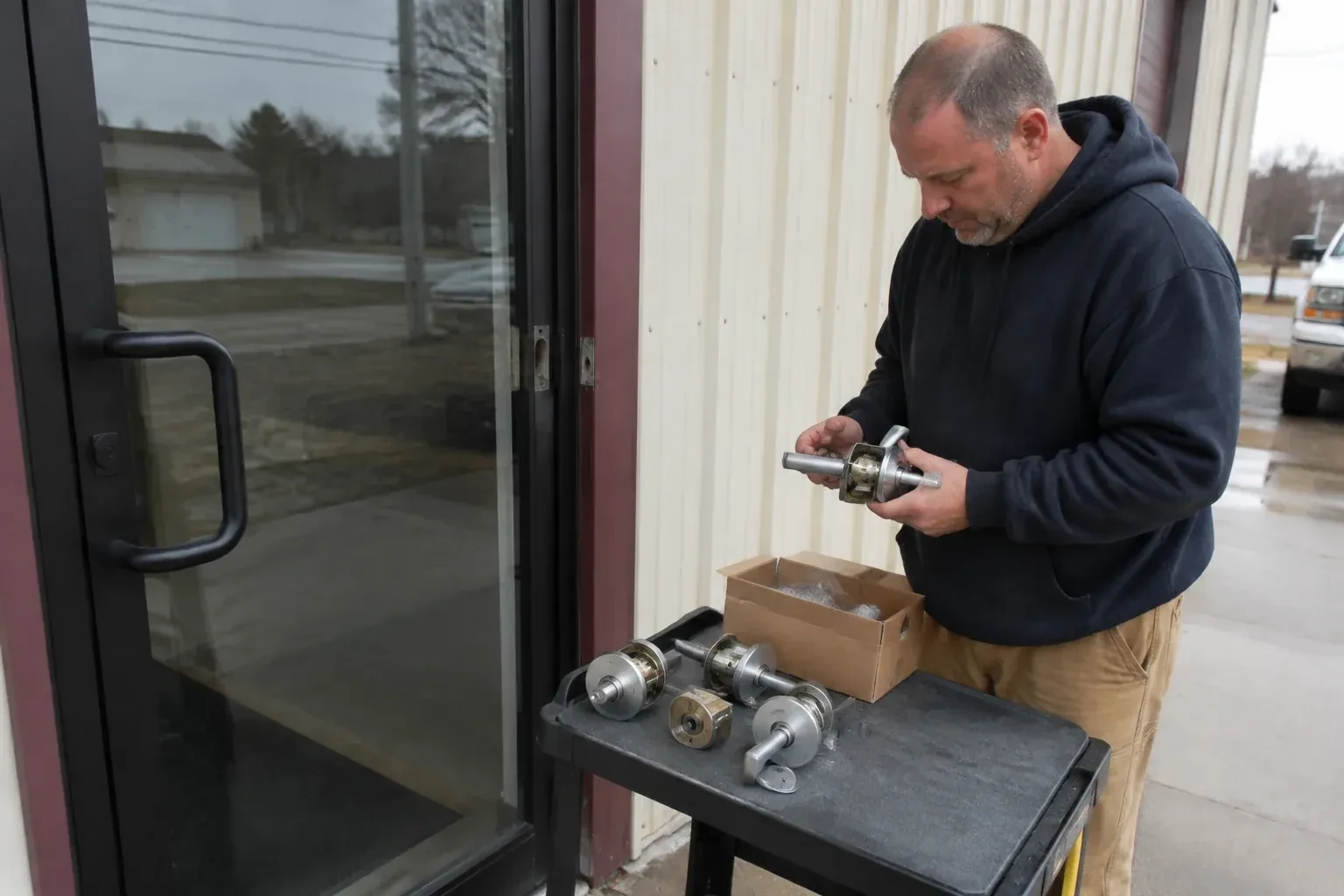
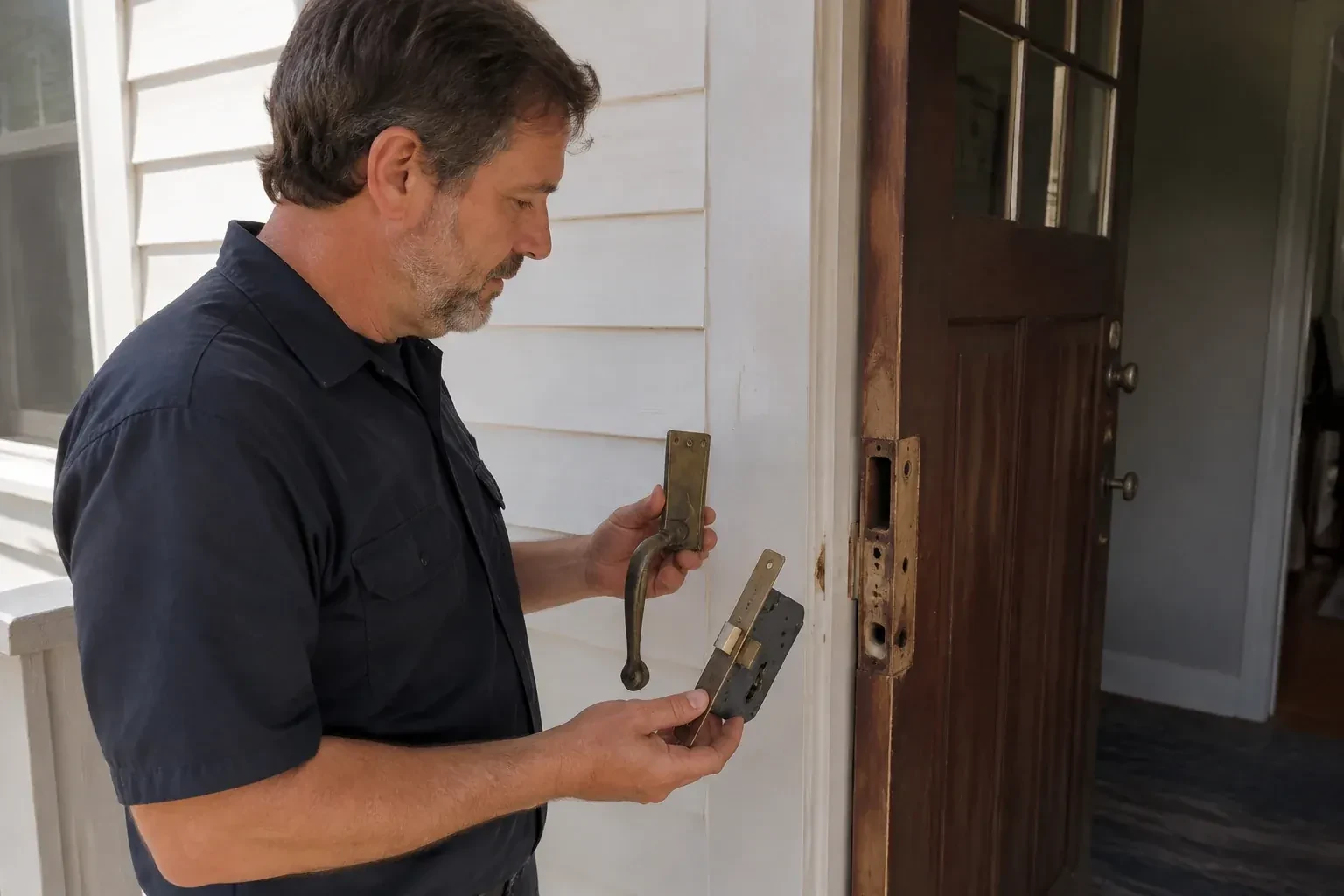
Older housing means older frames. Wood that has settled for years leaves strikes slightly out of line, so a bolt drags or needs a lift of the handle. A locksmith expects this and brings the shims, longer screws and strike plates to correct it.
Single-detached houses make up about 23% of homes in Toronto (2021 Census).
Attached housing turns over more often than detached, so rekeying between tenants or owners is a constant. Because suite doors tend to be standard, the job is usually a straightforward pin change and a fresh set of keys cut on site.
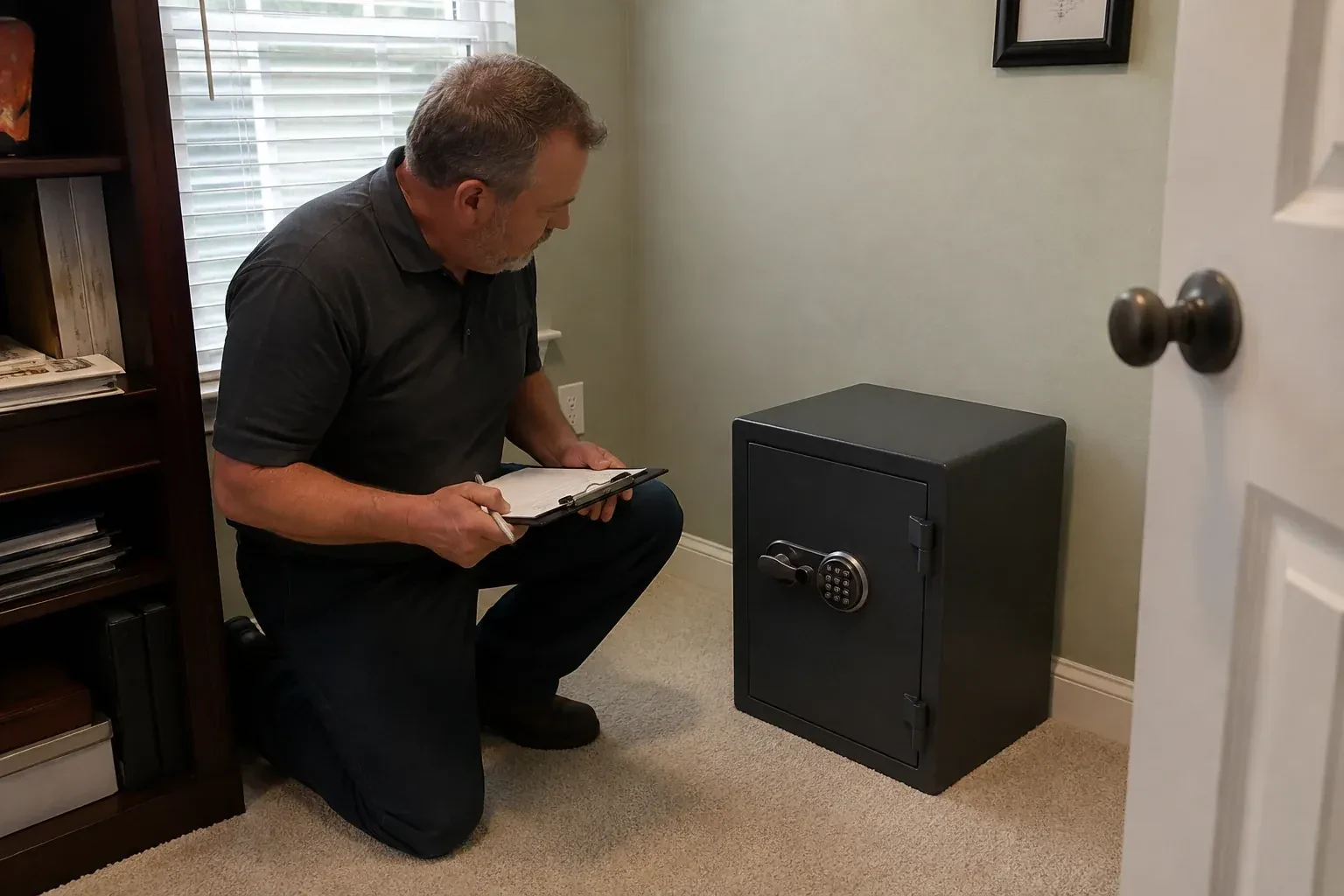
Safes are high security for the things inside a room rather than the room itself. We install, bolt down, open and reset them for homes and businesses, and advise on where a safe helps and where a better door helps more.
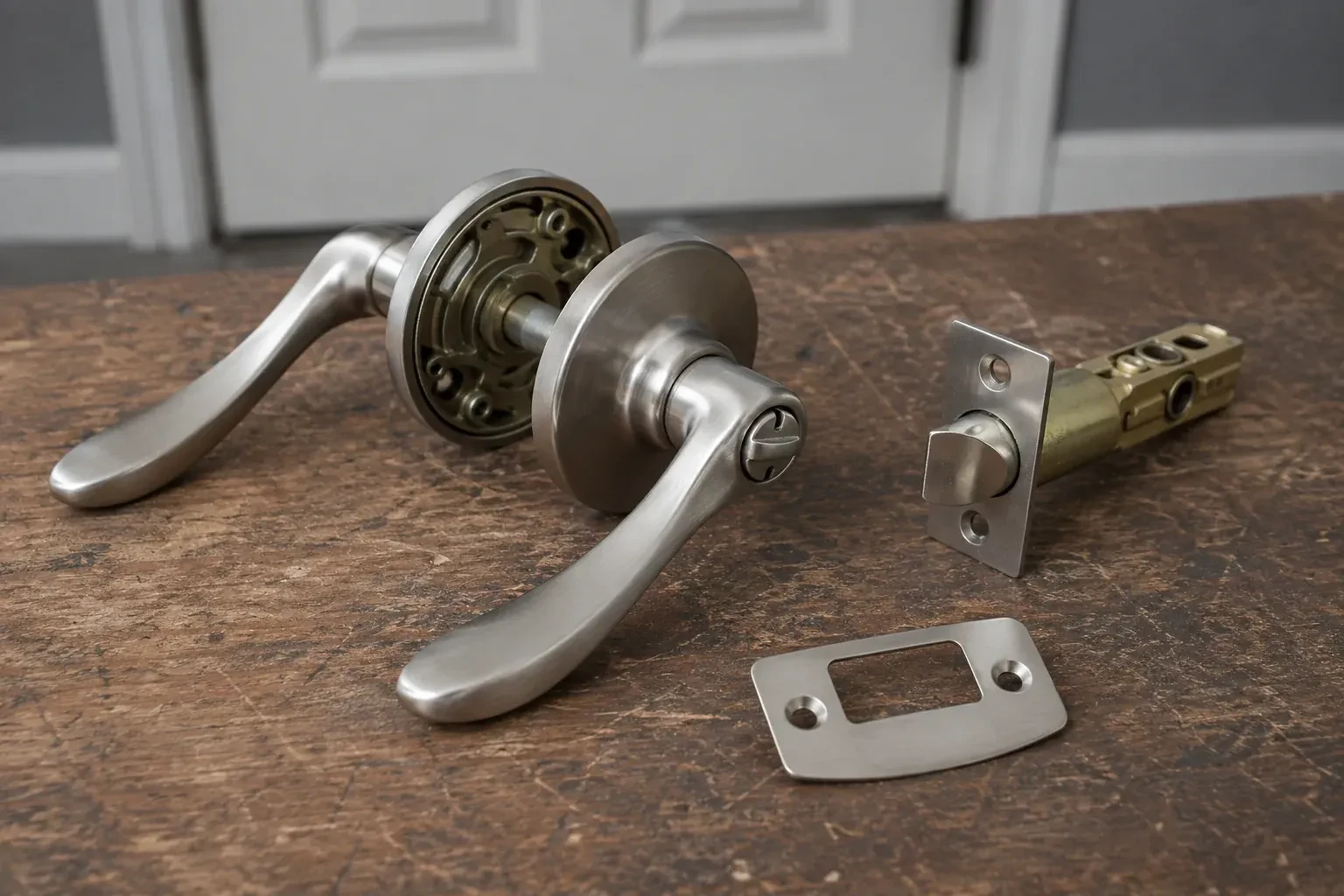
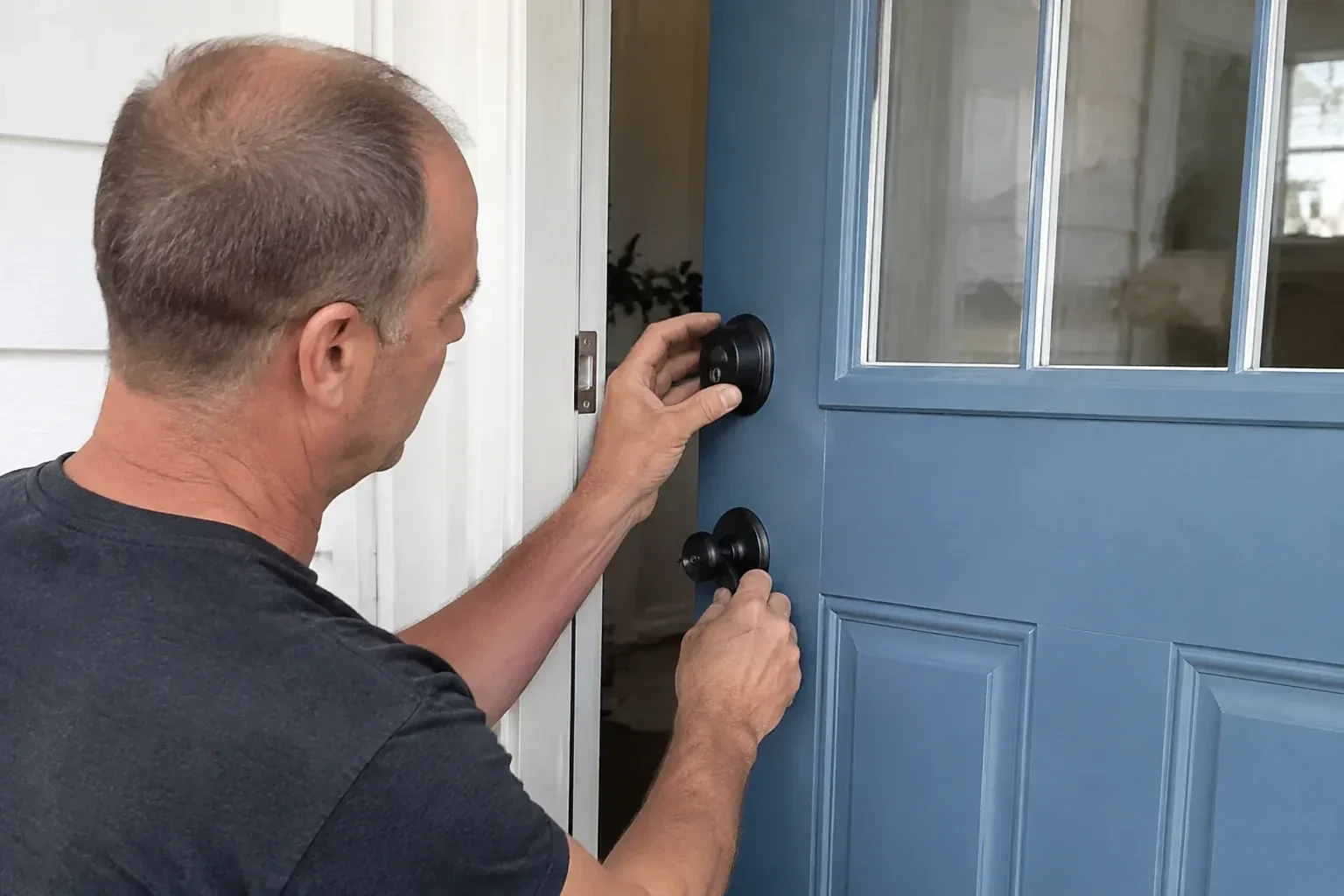
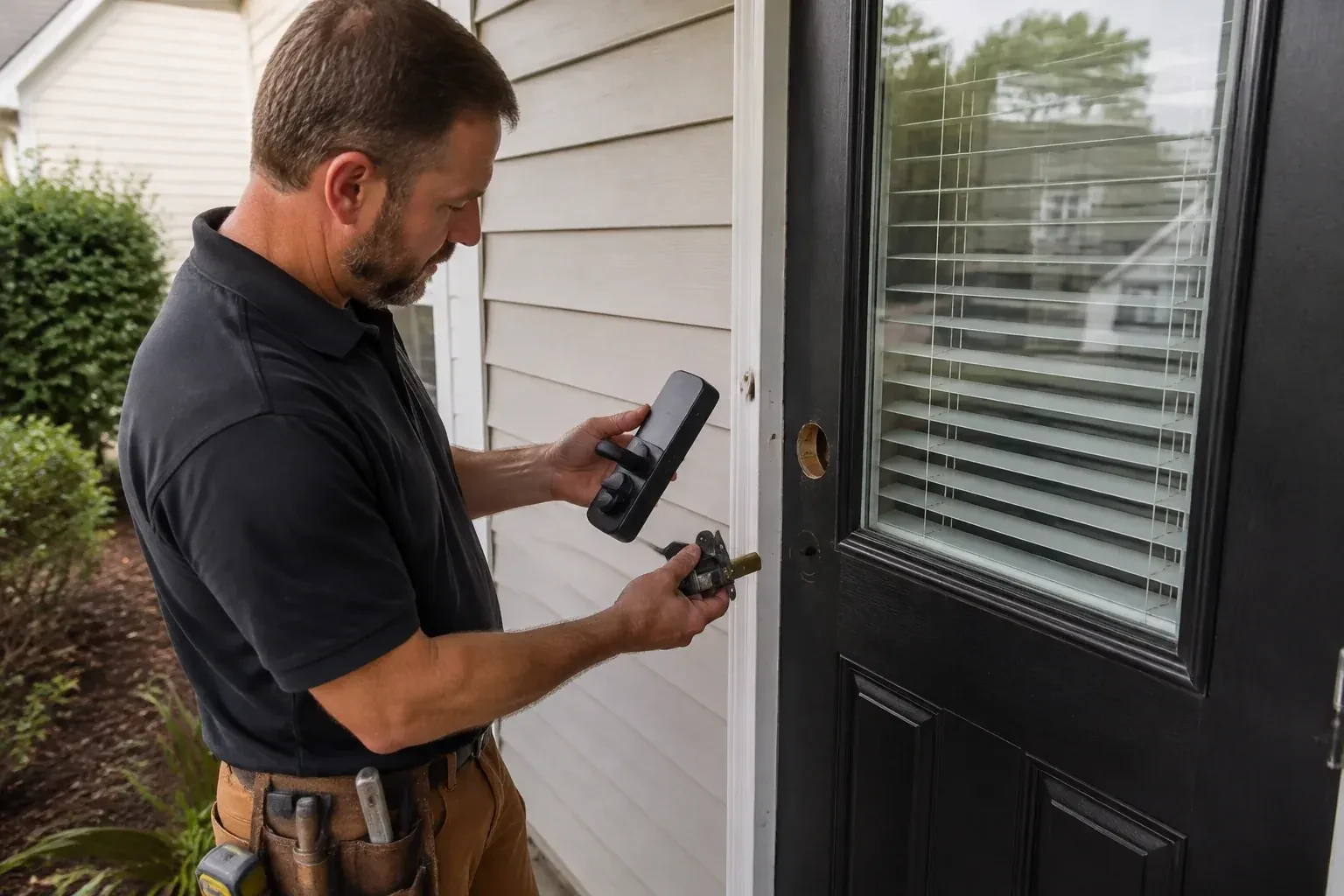
You bought a keypad deadbolt online and pulled the old one off, only to find the hole in the door is a different size and the bolt latch sits at a backset the new kit does not list.
Owners sometimes ask whether they need a locksmith or an alarm company. Usually both, for different jobs. Locks and keys decide who can open the door; the alarm reports when someone does. The commercial pages cover our half of that arrangement.
WhyMoving into a home is the classic moment for this service, because you inherit whatever hardware and whatever key copies the previous owners left behind.
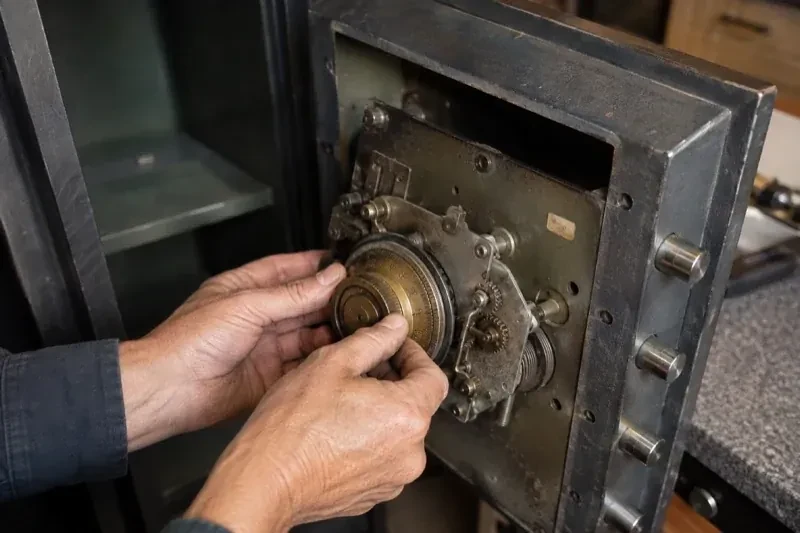
Decades of daily use have left the law firm's old dial safe drifting: the numbers line up close to where they should, never quite enough to drop the bolt.
WhyA safe that arrives with no history at all, through an estate, an auction or a property changing hands, gets treated as an unknown until the locksmith reads it directly: the data plate, the lock type, the dial or keypad style, and any wear that hints at its age.
The till drawer has been holding two days of cash because the new shop never got a proper safe, and a locked drawer under the counter is the only thing standing between that cash and anyone who works late.
WhyFor a household bringing in its first real safe, the service covers everything between the empty spot on the floor and a working, anchored unit with a combination only the family knows.
You have just signed the lease on a unit the previous tenant ran for a decade.
WhyChanging the locks answers today's question; key control keeps it answered.
The keypad on the side door has started sticking on cold mornings, codes get shared instead of reset, and half the staff still remember a code you meant to retire two hires ago.
WhyThe installation is not finished when the last door is wired; it is finished once the business can run the system without the locksmith standing there.
The key to the office entrance turns with almost no resistance now, and some mornings the deadbolt does not fully retract until someone jiggles the handle and tries the key again.
WhyWeather leaves its mark on vehicle locks over the years.
Good days. Start with a turn.
1/9Home Lockout Service
The key slides in and turns all the way round, but the bolt stays put. There is no click, no resistance, just a key spinning in a lock that has stopped listening to it after years of daily use.
The lawyer's envelope held two keys for the new house. The previous owners mention a cleaner, a dog walker and a brother who checked on the place, and the builder's paperwork shows six were cut originally. Four are unaccounted for.
Someone tried the back door while you were away. The jamb is splintered around the strike, the bolt is bent, and the knob turns with a grinding feel. Everything held, barely, and you want hardware that would do better next time.
Decades of daily use have left the law firm's old dial safe drifting: the numbers line up close to where they should, never quite enough to drop the bolt.
The till drawer has been holding two days of cash because the new shop never got a proper safe, and a locked drawer under the counter is the only thing standing between that cash and anyone who works late.
You have just signed the lease on a unit the previous tenant ran for a decade. The landlord handed over three keys, the back door wears a padlock nobody can open, and nobody can say how many front-door keys are still out there.
The keypad on the side door has started sticking on cold mornings, codes get shared instead of reset, and half the staff still remember a code you meant to retire two hires ago.
The key to the office entrance turns with almost no resistance now, and some mornings the deadbolt does not fully retract until someone jiggles the handle and tries the key again.
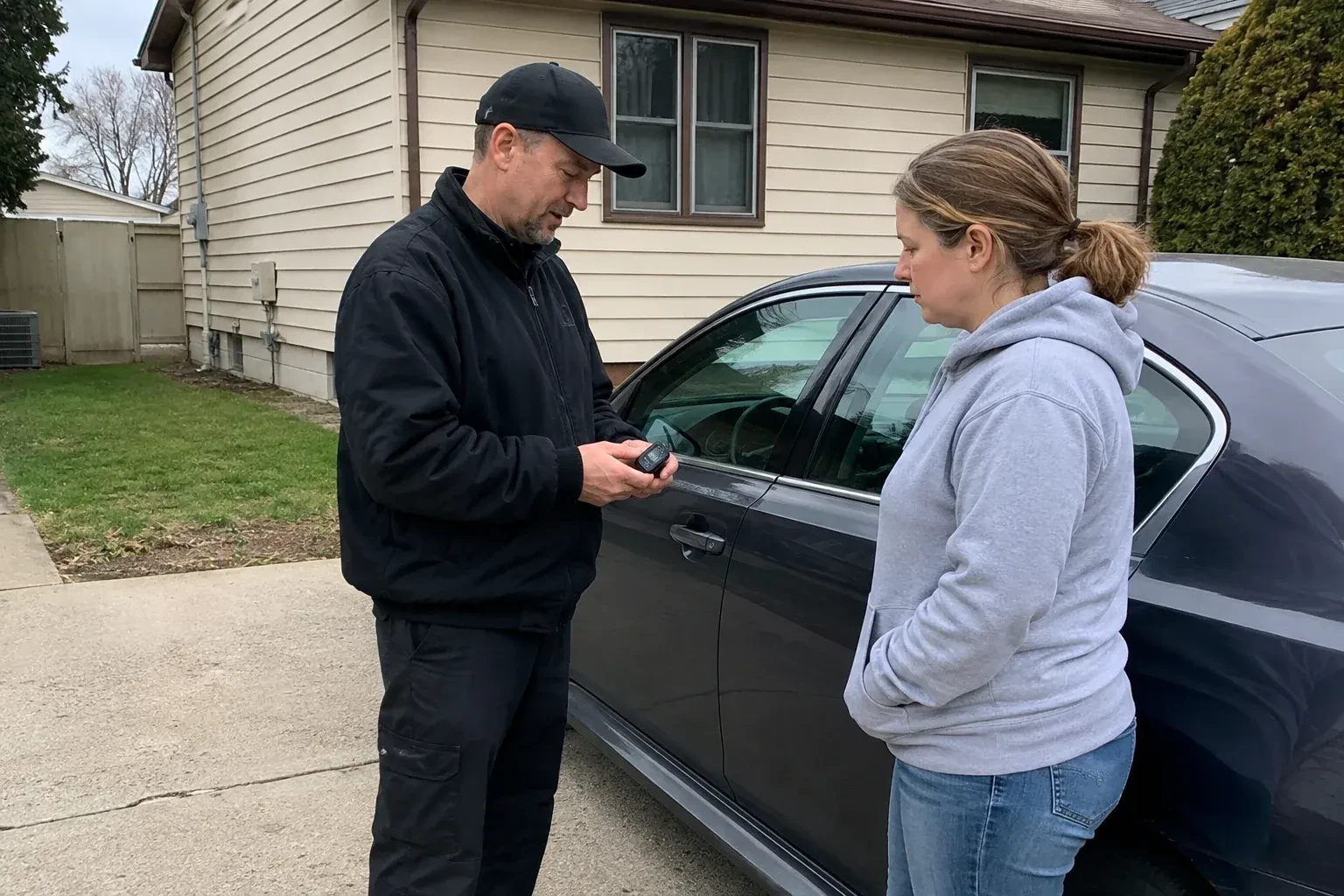
Pressing the remote locks three doors with a solid clunk and leaves the rear passenger door untouched, every single time. A twist of the key still opens that door by hand, so the fault is sitting somewhere between the remote and that one lock.
What if my wallet and every document are locked inside?
That is the most common version of a lockout, and there is a routine for it. Tell the locksmith on the phone so the plan is agreed before arrival. Often a neighbour can confirm you live there, a digital copy of a lease or bill is on your phone, or a property manager can vouch for you. Where none of that is available, the locksmith opens the door and completes the identification check with the documents inside before leaving.
What should I do before the locksmith arrives?
Walk the property and note every door the missing key opened, including the garage, shed and gate. Gather any keys you still have, since a working key helps in reading each cylinder. Have identification and, for tenants, something showing the tenancy. Decide roughly how many keys you want and whether you would like all doors on one key. If a garage remote or building fob was lost too, mention it when you book.
Can every door in the house work from one key?
Yes, provided the cylinders share a compatible keyway, which the locksmith checks when choosing hardware. New cylinders are pinned on site to a single new key and any existing locks worth keeping are repinned to match. Front, back, side and garage doors commonly end up on one key, and a shed or gate padlock can join them. You then decide how many copies exist and who holds each.
Can a safe be repaired instead of replaced after drilling?
Often, yes, particularly for a mechanical lock, where a worn wheel pack, drive cam or spindle can be replaced individually within the existing lock body. An electronic lock's circuit board and keypad are less often repairable in place and are more commonly swapped for a comparable or higher-rated replacement unit that fits the same cutout.
How do I decide between a bigger safe now or upgrading later?
It comes down to how much the amount being stored is likely to grow over the next few years. A safe sized with some room to spare avoids an early repeat visit, while a unit sized exactly for today's needs can be outgrown within a year or two for a growing business. Anchoring and lock work do not change much with size, so the main trade-off is simply the footprint the larger unit takes up in the room.
Should we rekey every time an employee leaves?
Rekey when a key has not come back or when the departure was unfriendly; when a key is returned and the register confirms it, the cylinders it opened are as secure as before. Businesses that want a response to every departure without a visit each time fit interchangeable cores and swap them in-house. Whatever the trigger, dealing with only the cylinders that key opened keeps the response proportionate.
Can a landlord and several tenants share one system?
Yes. In a multi-tenant building, a shared entrance can run on the landlord's controller while each tenant's suite runs its own credentials, so a tenant's staff can reach their own space without gaining access to another business's door. The property manager and each tenant work out together which doors belong on which list before the system is programmed.
What information should I have ready before the visit?
It helps to know roughly what is on the door now, knob, deadbolt, exit device or something else, whether other doors on the property share a key with it, and who in the business can authorize the work and sign off on keys. Photos of the current hardware and any fire label on the door are useful if you can get them ahead of time.
How does a locksmith reach the actuator or linkage inside my door?
The interior trim panel is removed using tools shaped to release its retaining clips without marking the panel. On many doors that exposes the cylinder, the linkage rod and the power actuator for individual testing and repair, though some doors keep a carrier plate, water shield or window guide in the way, or use an integrated latch and actuator assembly, and are worked on accordingly.
Request a visit
The fee for a visit in Forest Hill is the same at any hour, and it is settled at the door after the locksmith has assessed the hardware. That order matters. Assess first, then price, then work, so you always know what is being done and what it costs before a tool comes out. There are no surprises added afterwards.