Lockouts · Forest Hill
Home Lockout Service in Forest Hill
The key slides in and turns all the way round, but the bolt stays put.
In plain words
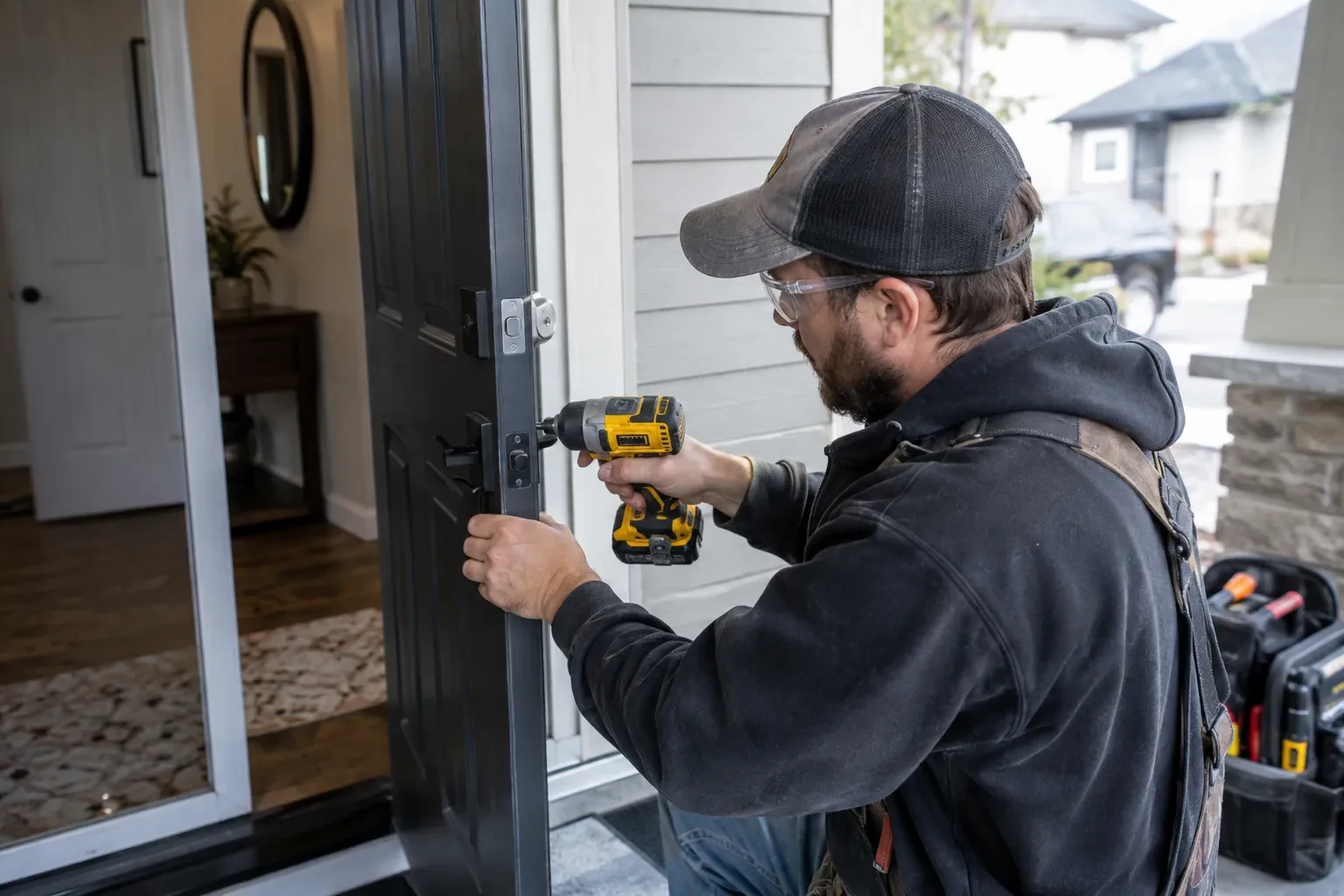
Winter creates its own kind of lockout. Meltwater runs into a keyway during the day and freezes overnight, a weather-exposed cylinder stiffens in the cold, and a door that shrank in January may drop its bolt out of line with the strike. A home lockout visit in these conditions is as much about the door as the lock: the locksmith thaws and frees the cylinder without forcing it, checks whether the bolt or the frame is the real obstacle, and opens the door in a way that leaves the hardware sound. A little dry lubricant and a tube of de-icer usually finish the job.
How the visit goesThe key slides in and turns all the way round, but the bolt stays put. There is no click, no resistance, just a key spinning in a lock that has stopped listening to it after years of daily use.
Home Lockout Service
How the visit goes
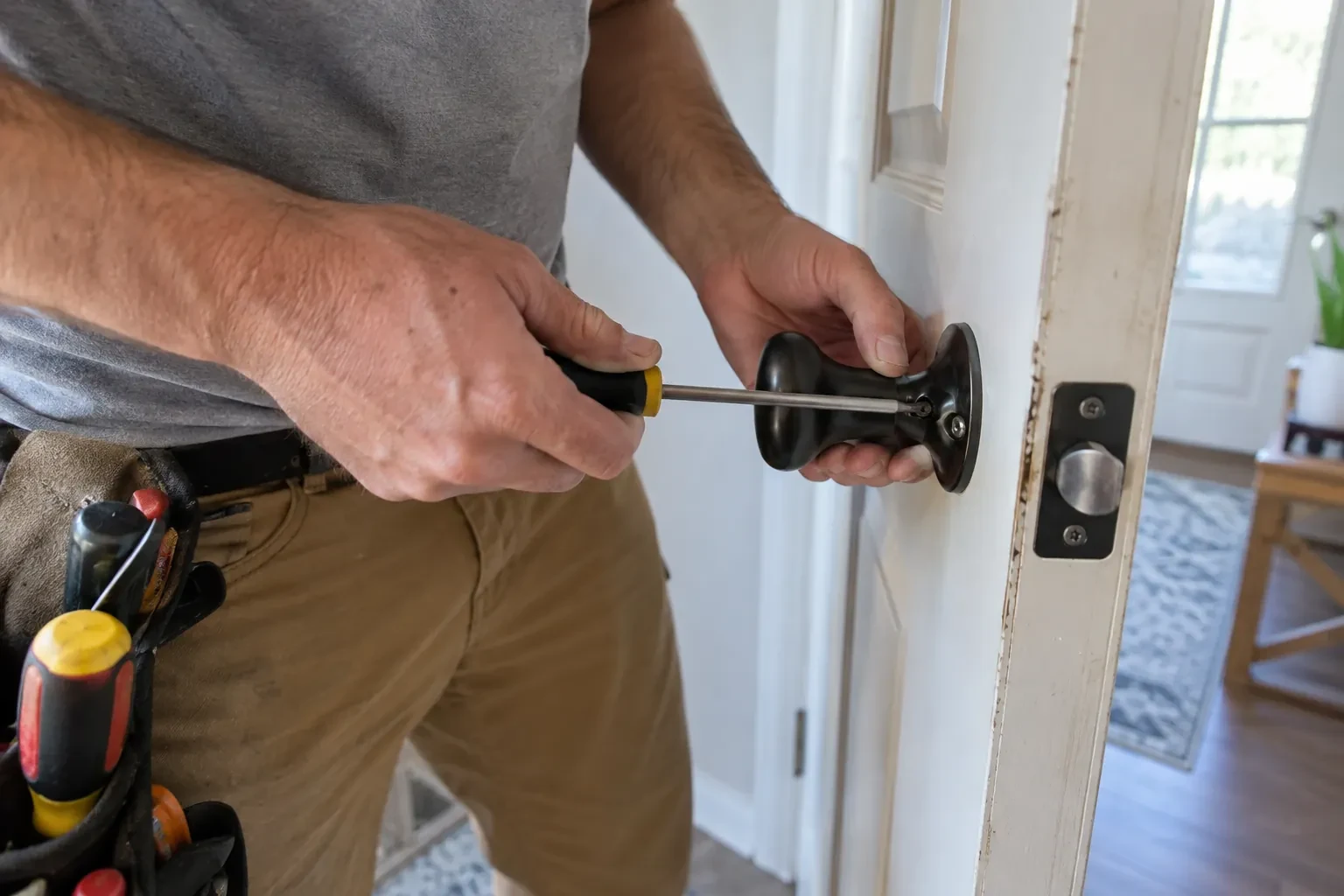
Other ways in, and other locks on the same key
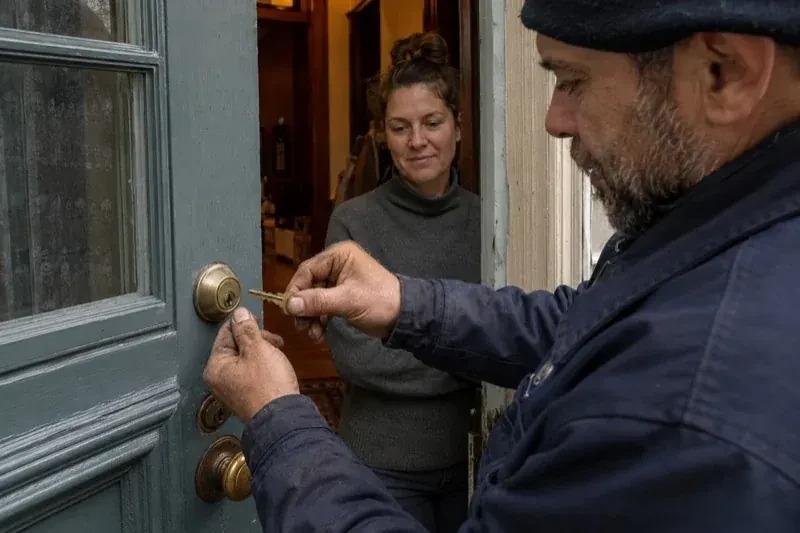
Before working on the front door, the locksmith asks about the rest of the house. A back door, a side entrance from the garage or a walkout basement may be on the same key or on a different one, and occasionally a family member with a spare is closer than anyone realized. Knowing whether the front and back locks are keyed alike also matters later: if one cylinder is rekeyed after a lost key, the others should follow so the household stays on a single key. A short tour of the openings takes a minute and often changes which door gets worked on and how.
Working a deadbolt open
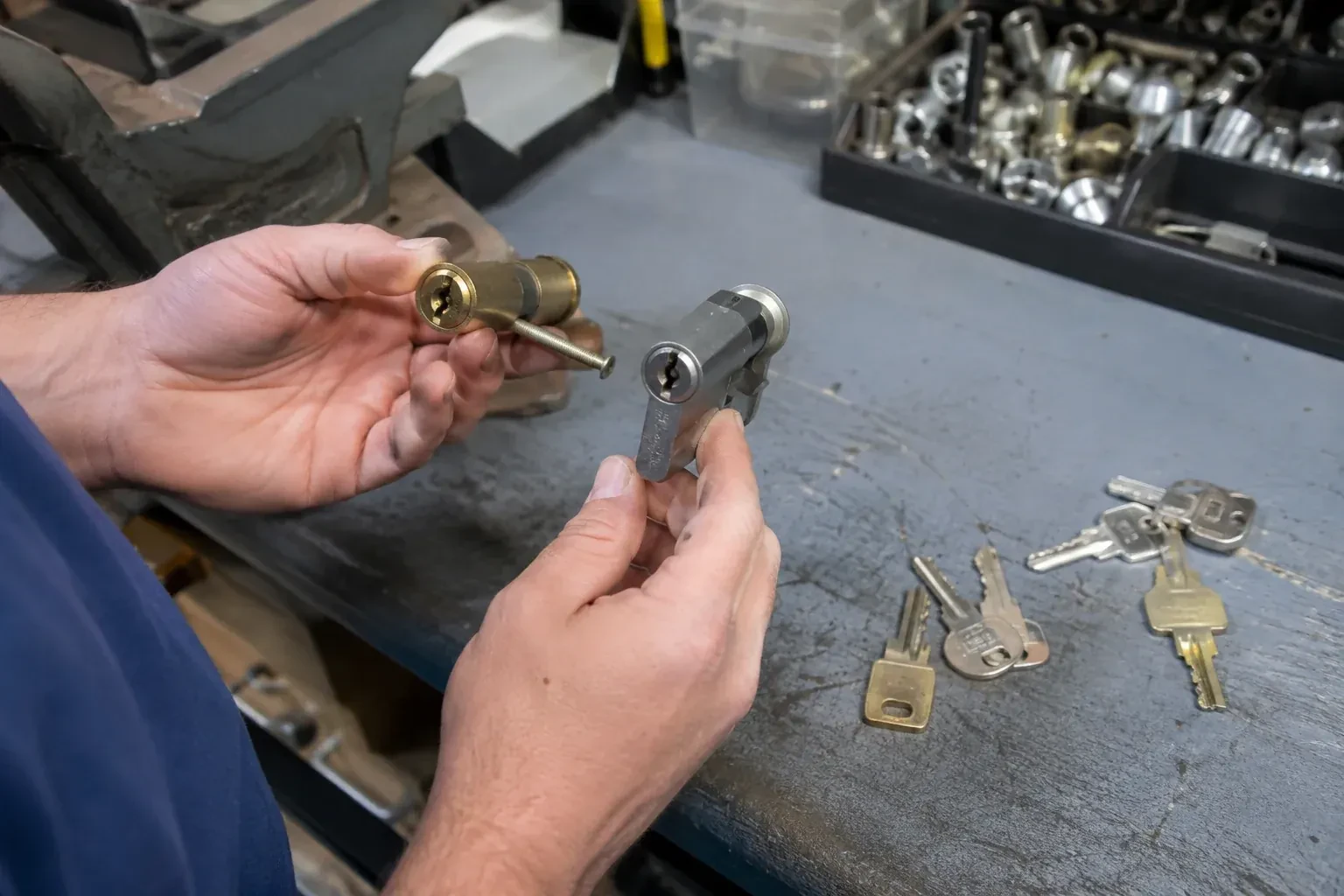
A thrown deadbolt has no bevel to exploit, so the cylinder itself has to be persuaded. The locksmith applies light rotational tension to the plug and sets each pin to the shear line, or reads the pin heights with a decoder and cuts a key that matches. Some cylinders let the plug turn one way only; a plug spinner flicks it past the point where the tailpiece engages so the bolt can retract. Security pins slow the process rather than stop it. The bolt draws back, the door opens, and the cylinder is cycled with your key afterwards to confirm nothing inside was disturbed by the work.
Looking after the cylinder afterwards
A lock that has just been opened deserves a little care so it keeps turning sweetly. Twice a year, follow your lock's own maintenance guidance: many residential cylinders take a puff of dry graphite or PTFE lubricant into the keyway, some a specified liquid product instead; general-purpose oil sprays attract dust and gum the pins. Wipe grit off your keys before using them, and retire a key that has worn thin or bent, cutting a new one from the code or from a crisp original rather than from a tired copy. If the key starts to need a wiggle to turn, that is the cylinder asking for attention early, while it is still an easy fix rather than a lockout.
Home Lockout Service
In the van
Cylinder decoder
Replacement cylinder or deadbolt
Broken key extractors
Plug follower and repinning kit
Lock de-icer
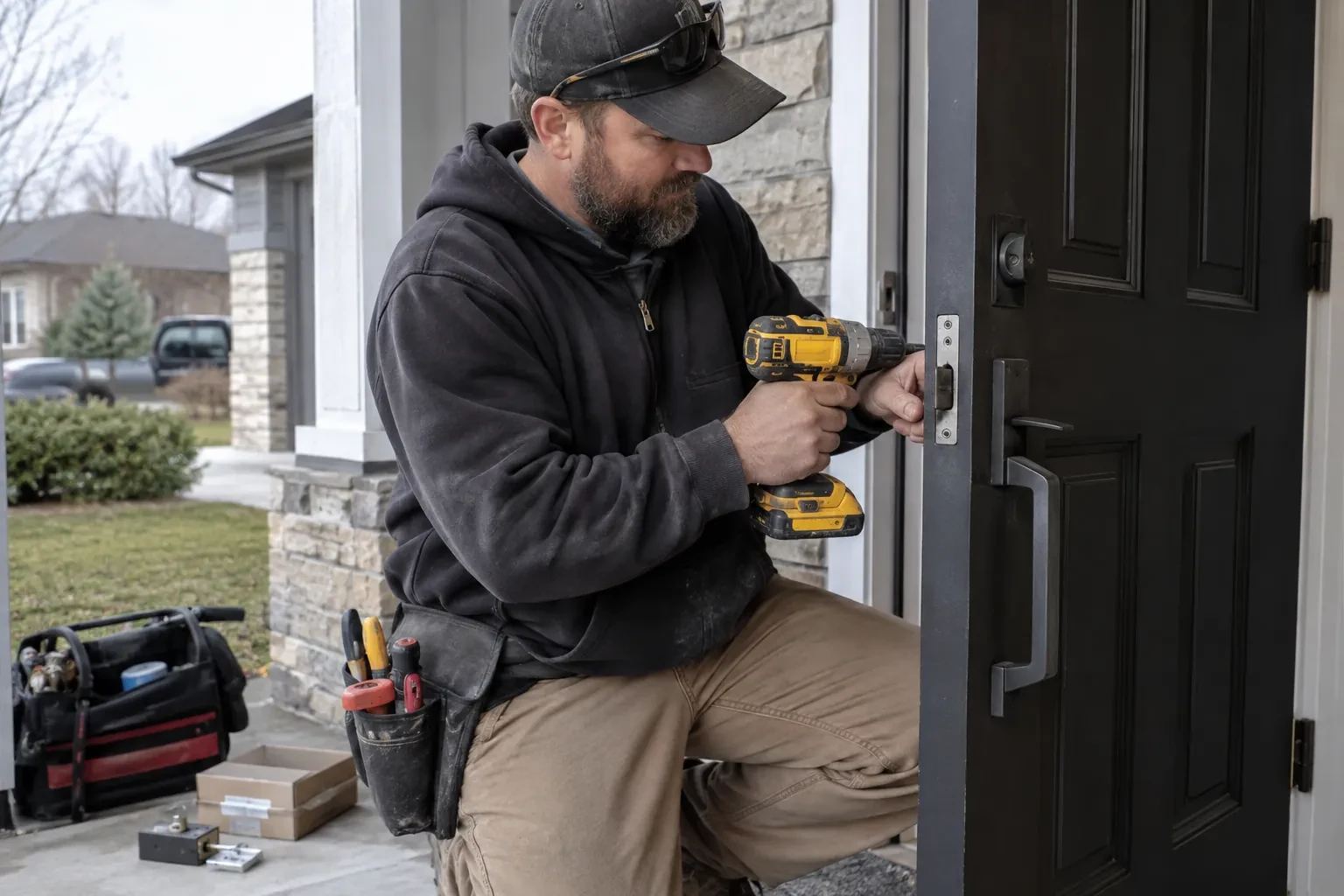
Home Lockout Service
What affects the quote
Number of new keys cut
Keys cut on site are counted into the quote individually. Two for a couple, five for a family with teenagers and a dog walker: say how many you want and the total follows.
Door and frame adjustment
When the lockout was really a swollen or sagging door, fixing the cause means work on hinges, strike plate or weatherstrip. That adjustment is quoted as its own item alongside the opening.
Weather on the day
A cylinder frozen solid or a door iced to its frame takes patient thawing before any opening can begin, so a winter call in a cold snap is quoted with that extra time in mind.
What to have ready
- Is the key inside the house, lost, broken in the lock, or turning without opening?
- Is the lock a keypad or smart lock, and does it have any power left?
- Is anyone, including a child or pet, inside the home right now?
Home Lockout Service: questions
QuestionsWhen does a locksmith decide to drill instead of pick?
Drilling is the last rung, reached only when the cylinder has genuinely stopped cooperating. Typical reasons are a plug seized by corrosion or a failed spring, a key snapped deep inside that blocks the pins, a high-security cylinder whose anti-pick features make picking impractical, or a lock already damaged by someone's earlier attempt. The decision is explained before the drill comes out, the hole is confined to the cylinder, and replacement hardware goes in straight afterwards.
What if my wallet and every document are locked inside?
That is the most common version of a lockout, and there is a routine for it. Tell the locksmith on the phone so the plan is agreed before arrival. Often a neighbour can confirm you live there, a digital copy of a lease or bill is on your phone, or a property manager can vouch for you. Where none of that is available, the locksmith opens the door and completes the identification check with the documents inside before leaving.
What should I have ready when I call about a lockout?
The address and which door you are outside of, what kind of lock is on it as far as you can tell, and where the key is: inside, lost, broken or simply refusing to turn. Mention whether the door is a rental, whether anyone is inside, and whether the lock is electronic. If you have photo identification on you, say so; if not, say that too so the verification route is agreed before the locksmith arrives.