Lockouts · Toronto
Broken Key Extraction
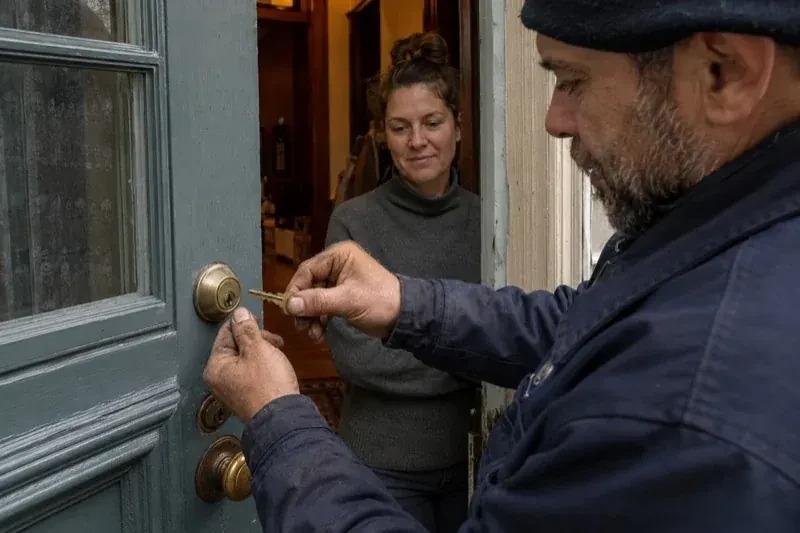
Overnight the deadbolt froze, and this morning the key would only turn partway.
In plain words
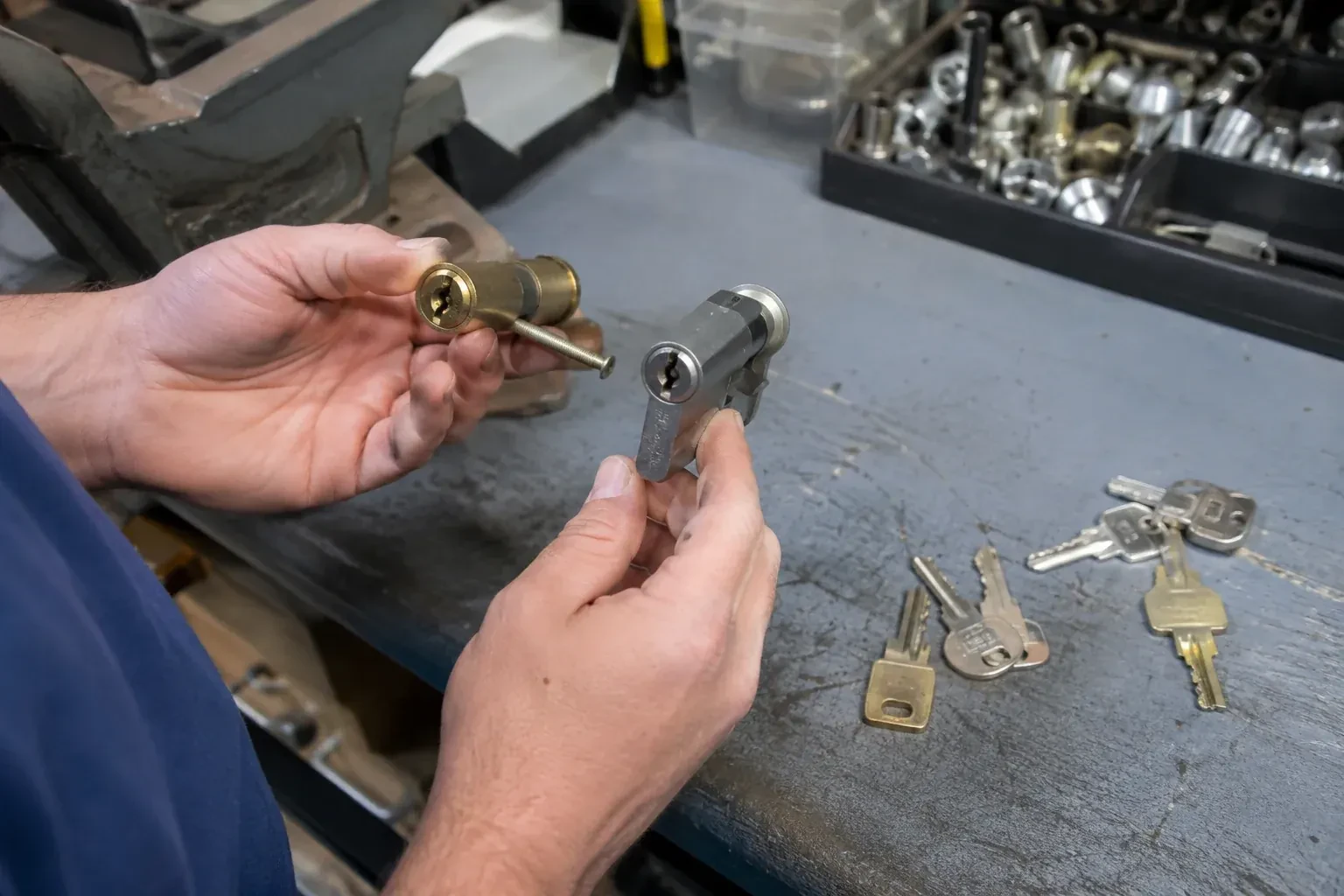
The tools are simple and precise. A hook extractor is a thin strip of spring steel with a barb at the tip; it slides along the groove of the keyway above or below the fragment, snags one of the cuts, and walks it out. A spiral extractor works like a tiny screw, threading into the ridges of the cuts and gripping as it turns. Fine-tipped extractor pliers handle a piece that shows above the face. A tension tool brings a turned plug back to rest. None of these push inward, which is the whole point: the piece comes out the way it went in and the cylinder stays whole.
How the visit goesIn the parking lot your car key snapped in the driver's door. You are holding the plastic head with the buttons on it, the metal blade is inside the lock, and the spare is on a hook at home.
Broken Key Extraction
How the visit goes
Checks particular to a vehicle
A car adds a few questions. Did the key break in the door, the trunk or the ignition? Does the head in your hand hold a transponder chip or remote, and does the car start with the spare if there is one? Is the steering wheel locked, which can hold an ignition cylinder under tension and pin the fragment in place? Do the other doors open with the same key, or is the vehicle on a different key for the ignition and doors? These answers decide whether the job is a door extraction and a new blade, or an ignition extraction that needs the wheel freed and the wafers checked first.
Cutting the key you leave with
Once the lock is clear, a replacement key is made. The two halves of the broken key are laid together and the cuts are read with a key gauge, or the locksmith cuts from the key code if you have the tag or the lock's records, or from a crisp spare. What is avoided is copying a worn original, because a duplicate inherits every rounded cut and will stick and wear the same way. The new key is cut on a code machine, tried in the lock with the door open, then closed, and from both sides. Extra copies are cut from the new key while the machine is set.
A door that no longer fights the key
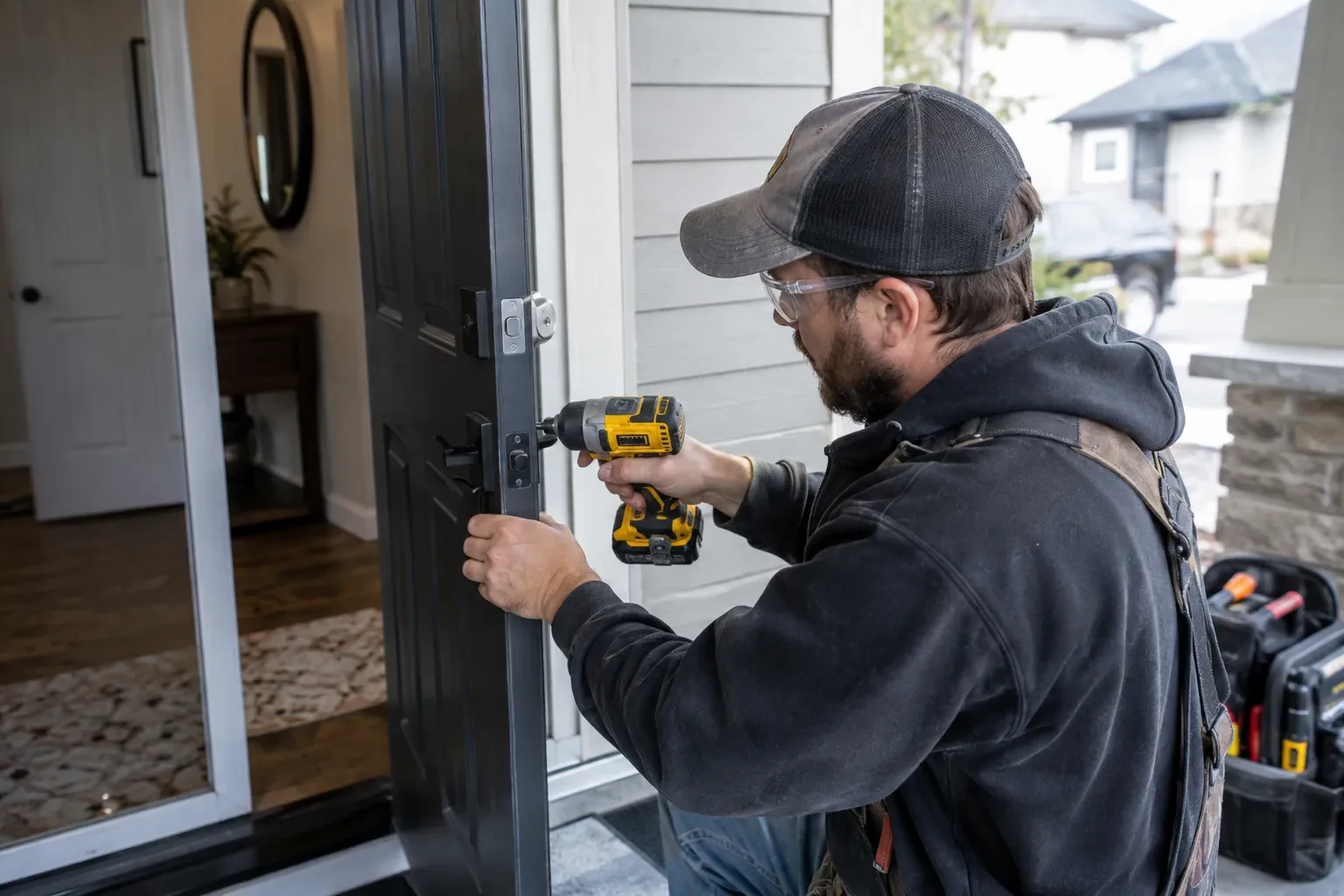
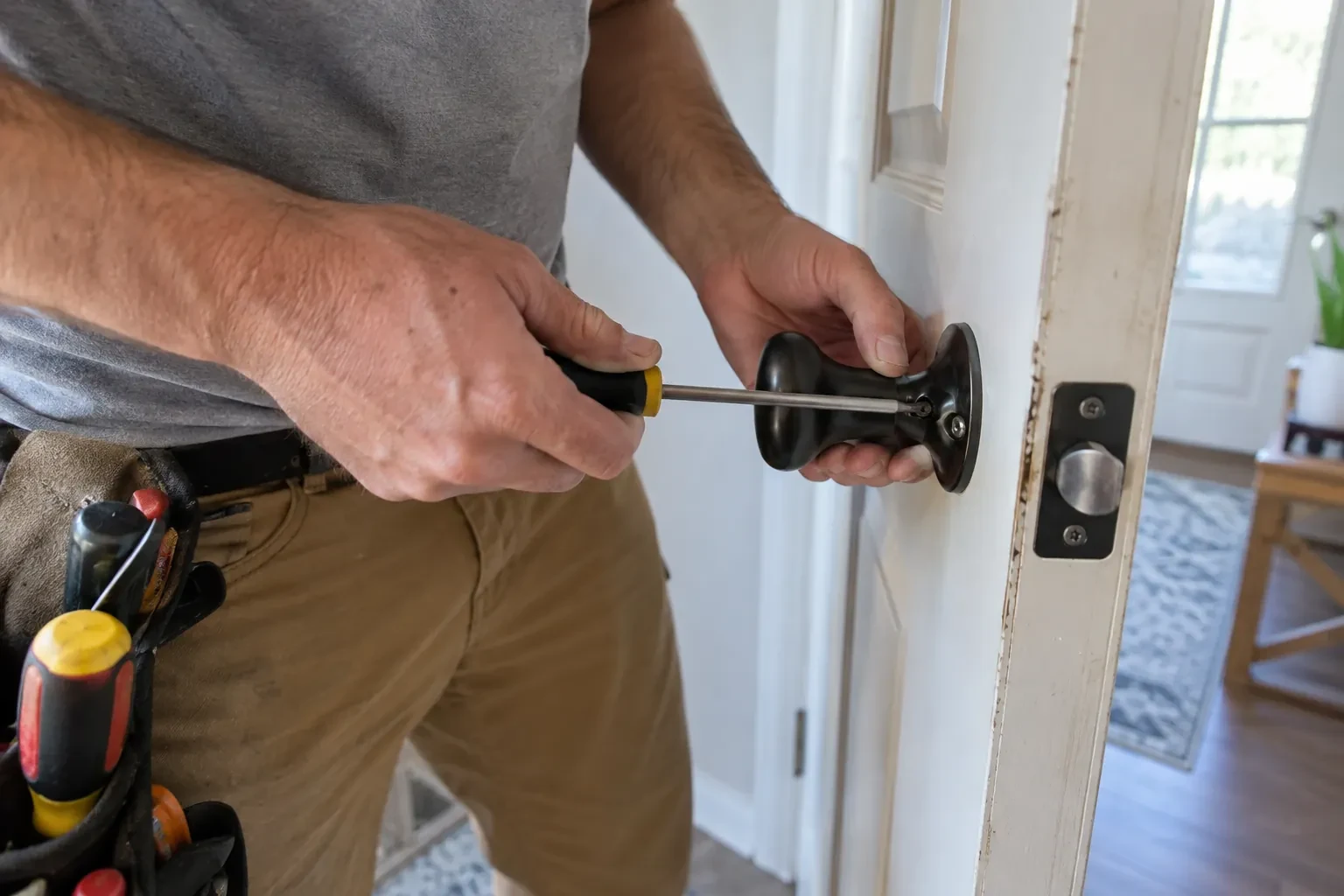
If the bolt had been dragging in its strike, that is corrected while the locksmith is there, because a bolt that binds turns every key into a lever. Dropped hinges get longer screws driven into the framing; a strike pocket that pinches the bolt is filed or shifted; a weatherstrip that was pushing the door off square is pared back. The test is simple: the thumb-turn should throw the bolt with one finger and no push on the door. Since wood swells in humid summers and shrinks in dry winter air, a seasonal glance at the screws keeps the key from taking the strain again.
Broken Key Extraction
In the van
Key gauge and decoder
Tension tool for resetting the plug
Compressed air for the keyway
Fine-jawed extractor pliers
Plug follower and cap tool
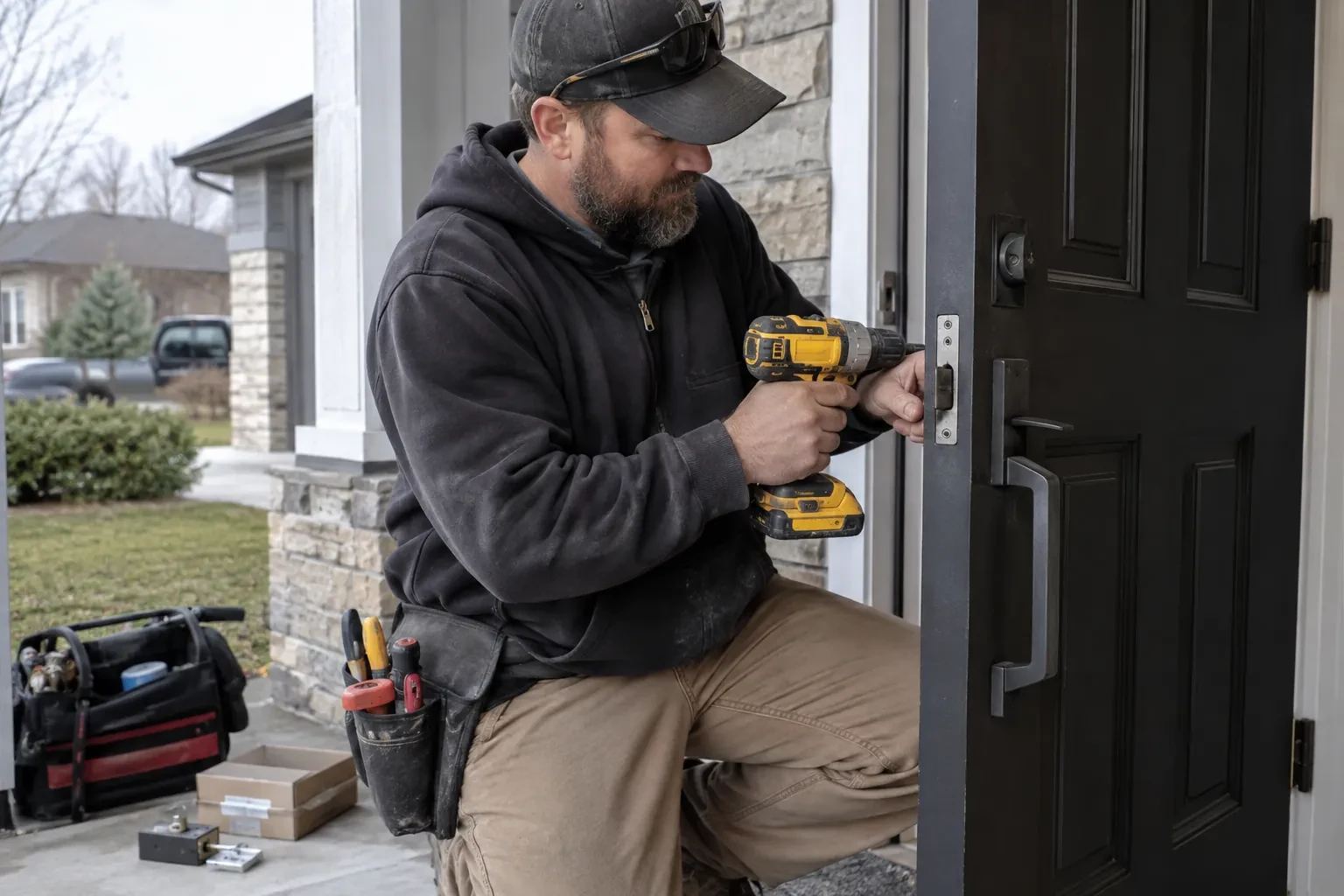
Broken Key Extraction
What affects the quote
Removing the cylinder to free it
A deep or bound fragment may need the cylinder taken off the door and the plug pushed out from behind on the bench. That disassembly and reassembly is quoted on its own.
Weather on the day
A cylinder that is frozen or iced has to be thawed and dried before extraction can begin, so a call during a deep freeze carries that patient extra time.
Anything added since the break
Glue, a second key or marks from a screwdriver mean clearing and sometimes repair before extraction can start, and that added time is named in the quote.
What to have ready
- Do you own, rent or manage the property, and is identification with you?
- Has anything been put into the keyway since, such as tweezers, glue or another key?
- Do you still have the other half of the key?
Broken Key Extraction: questions
QuestionsDoes the glue trick work?
It is a well-known idea and a poor one. A drop of adhesive on the other half rarely bonds to a piece of brass sitting in a tight keyway, and what it does bond to is the cylinder, the pins and the face of the lock. That film then has to be dissolved before proper extractors can slide in. Keep the halves apart and dry.
Part of the key is sticking out. Can I just pull it with pliers?
If a good length shows and the plug is at its normal rest position, a firm straight pull sometimes works. The risk is pushing instead of pulling, or twisting, which drives the piece deeper and can bend a pin. If it does not come on the first gentle try, stop there and leave it for extractor tools, which grip the cuts without loading the cylinder.
Will the lock work again once the piece is out?
In most cases yes, and it is tested in front of you with a key that fits. The inspection after extraction is where the honest answer lives: if the pins, springs and cap are sound and the keyway is clean, the cylinder goes back into service with a fresh key. If wear or damage caused the break, that is explained and a rekey or new cylinder is offered as a separate choice.
Related services
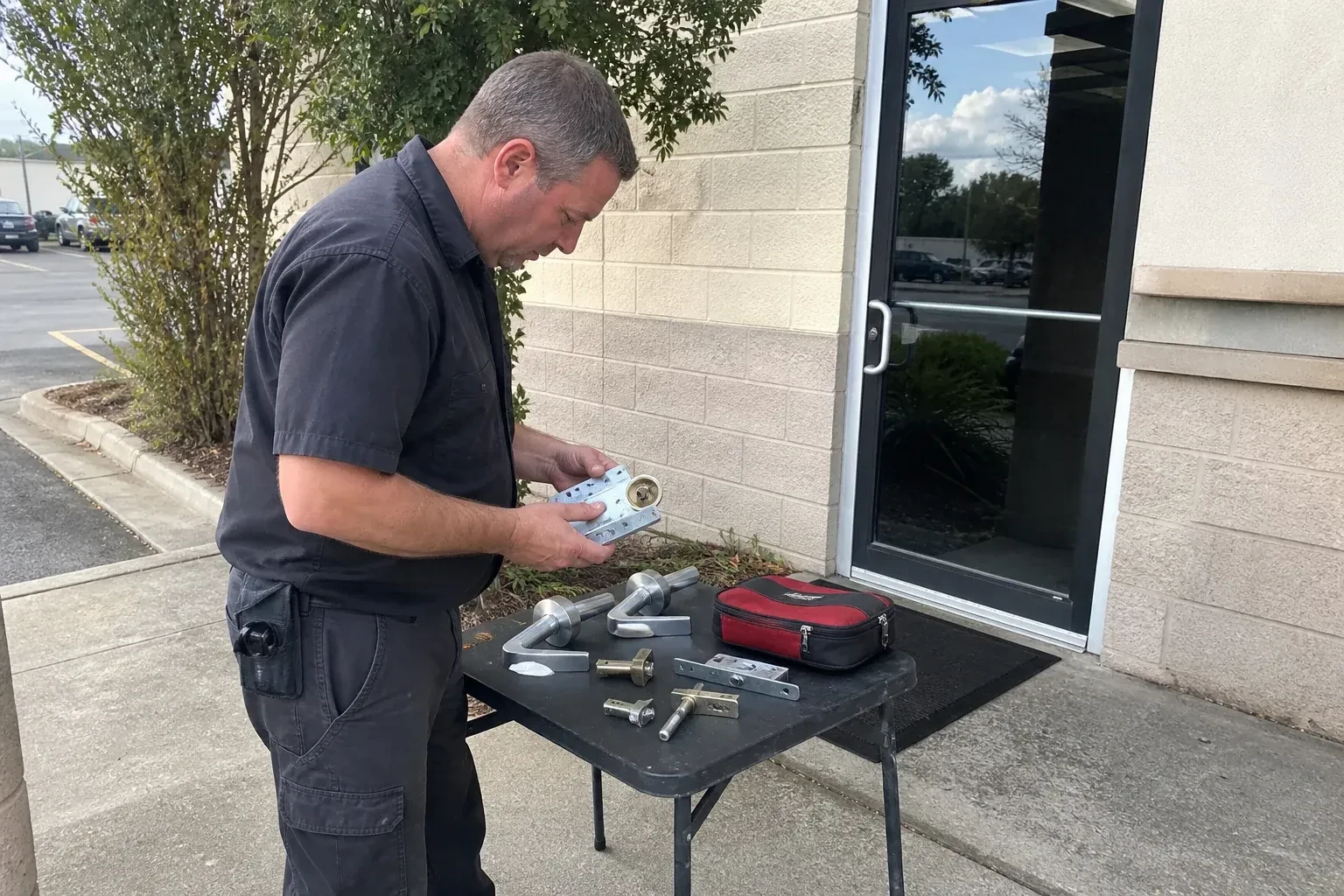
- Business Lockout ServiceA cook stepped into the alley with the recycling and the rear door swung shut behind him.
- Break-In Damage Lock RepairThe back door looks closed until you touch it.
- Seized & Jammed Lock OpeningIt is the coldest morning of the winter and the key goes halfway into the side door and stops.