High security · Toronto
Safe Installation & Servicing
The keypad on the office safe blinks a low-battery warning every morning now, and whoever notices it first quietly hopes someone else deals with it before the batteries finally give out mid-week.
In plain words
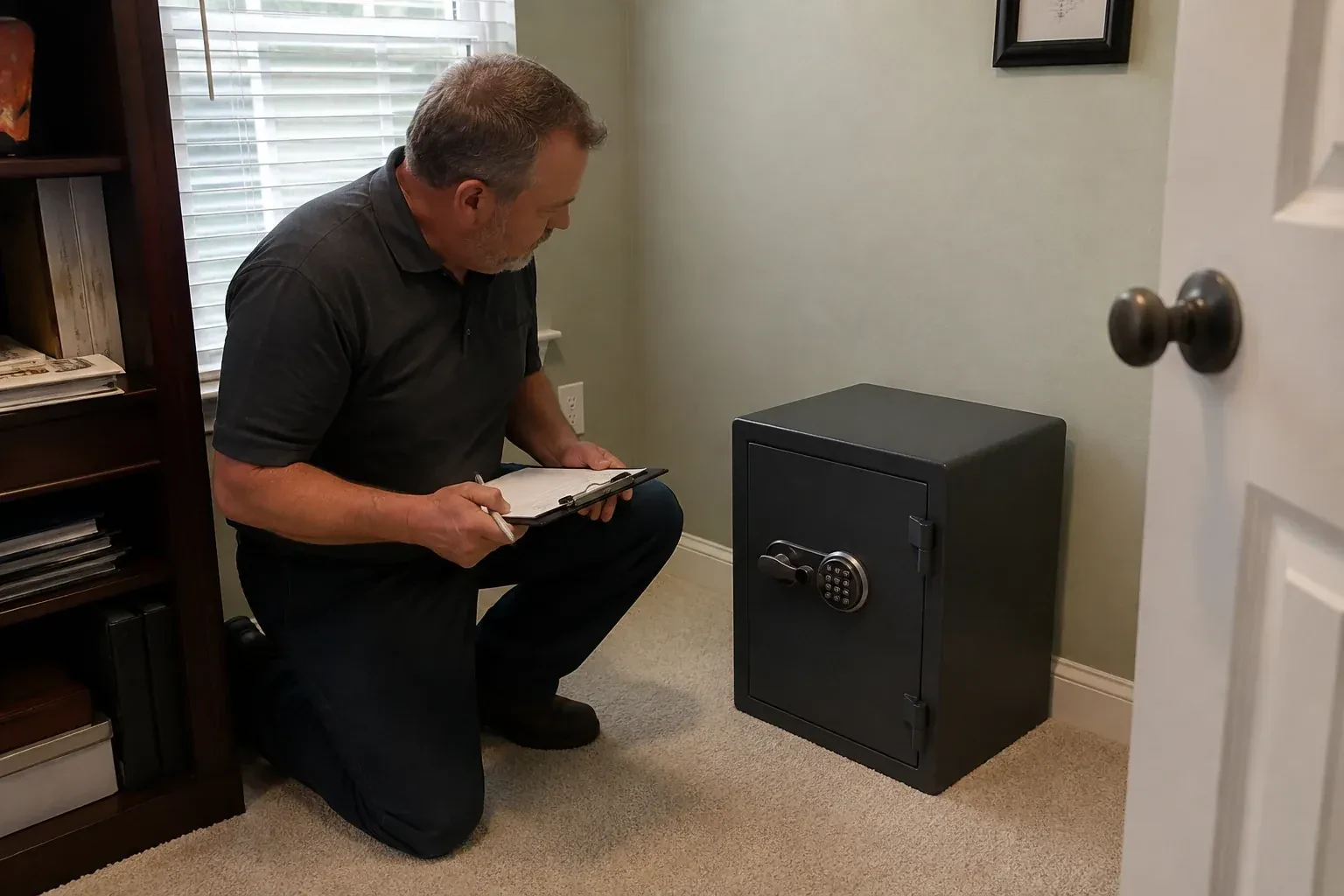
For a household bringing in its first real safe, the service covers everything between the empty spot on the floor and a working, anchored unit with a combination only the family knows. The locksmith walks through what the safe needs to hold, checks the floor or wall it will sit against, positions and levels it, and secures it with anchor bolts suited to that surface. The lock is set and cycled several times with the owner watching, so the last step of the visit is confirming, together, that it opens and closes exactly as it should.
How the visit goesThe keypad on the office safe blinks a low-battery warning every morning now, and whoever notices it first quietly hopes someone else deals with it before the batteries finally give out mid-week.
Safe Installation & Servicing
How the visit goes
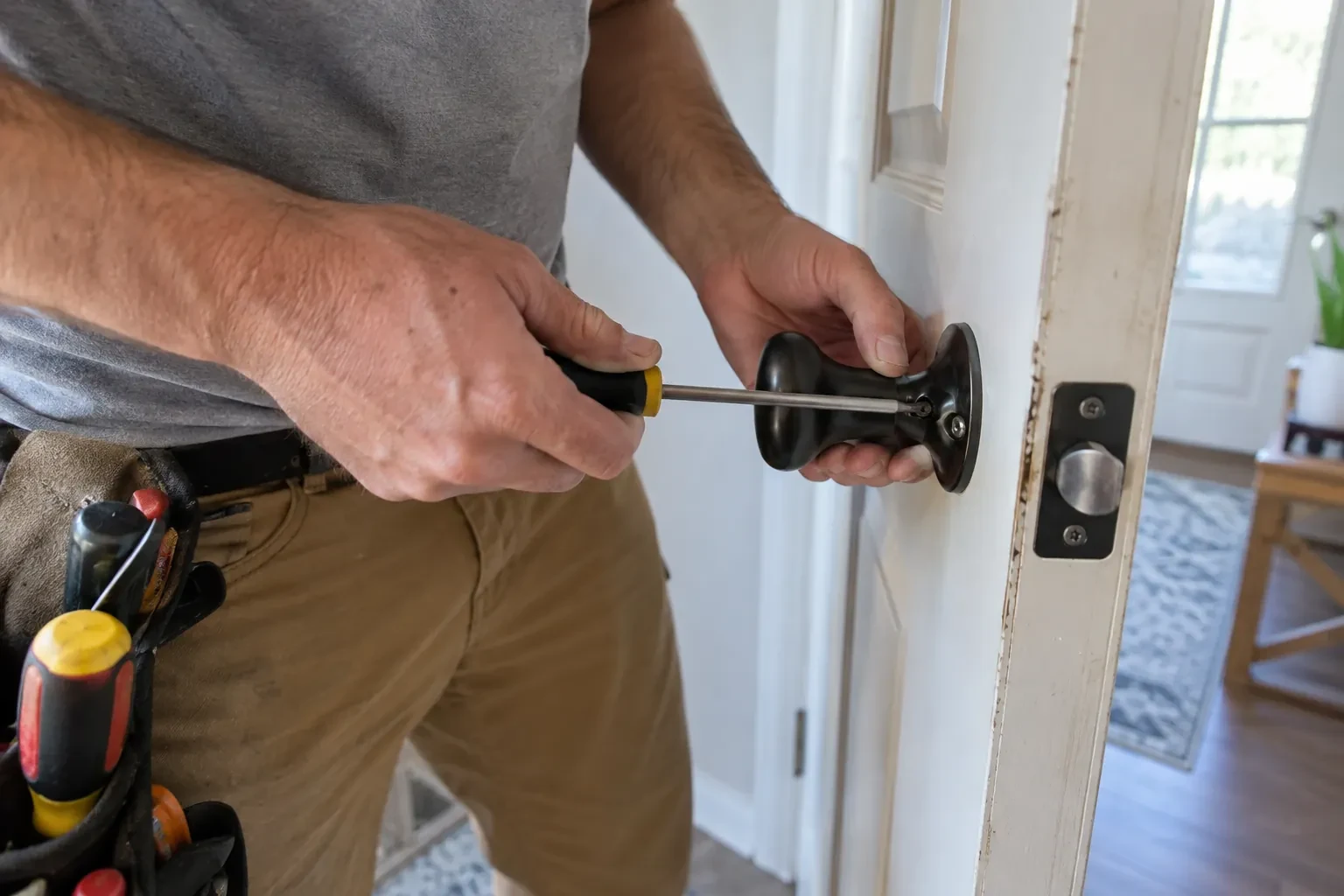
Where the safe will actually be used, not just placed
A safe tucked into a spot nobody can reach easily gets used less often than intended, and one left in plain view of every visitor invites attention it does not need. The locksmith talks through how often the safe will be opened, by how many people, and at what time of day, since a till safe opened every hour wants a different position than a document safe opened twice a year. Concealment behind a panel or inside a closet is weighed against how practical daily access needs to stay.
Anchoring into a wood subfloor
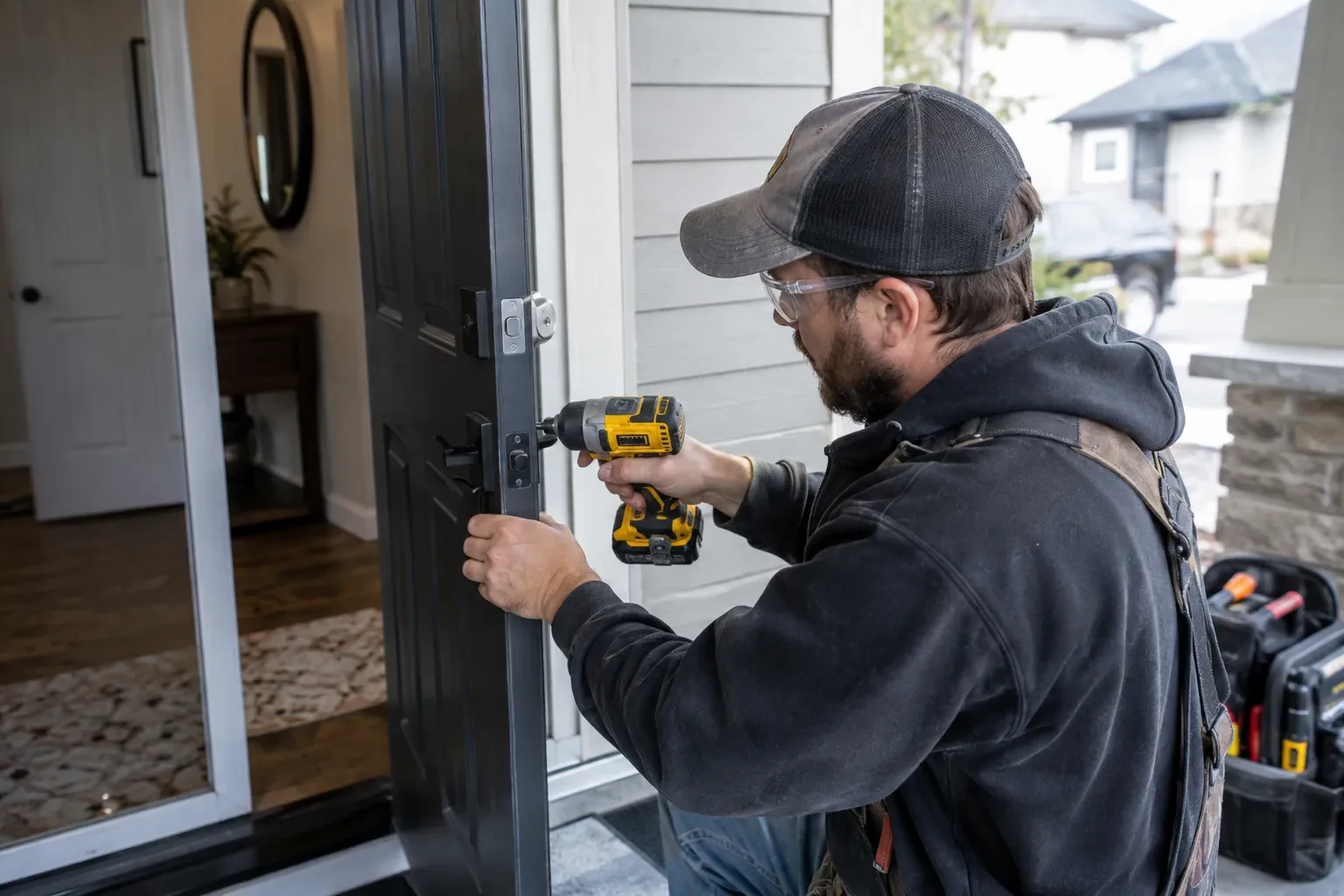
A wood subfloor calls for a different approach, since a bolt into surface plywood alone pulls out under real weight. The locksmith locates the floor joists beneath the finished surface, drills pilot holes through the subfloor into solid framing, and drives long lag bolts or structural screws with washers that spread the load across the wood. Carpet, vinyl, or laminate over the subfloor is worked around rather than through wherever possible, so the finished floor is left as close to undisturbed as the anchoring allows.
A combination or code that belongs only to the household or business
The final combination or code is set by the owner alone, after the locksmith has finished testing, so nobody who did the installation carries it away in their head. Writing it down somewhere other than beside the safe, or storing it with a trusted person away from the property, is worth doing once rather than relying on memory during a stressful moment. Where the lock supports more than one code, deciding now who else should have one avoids an awkward conversation later.
Safe Installation & Servicing
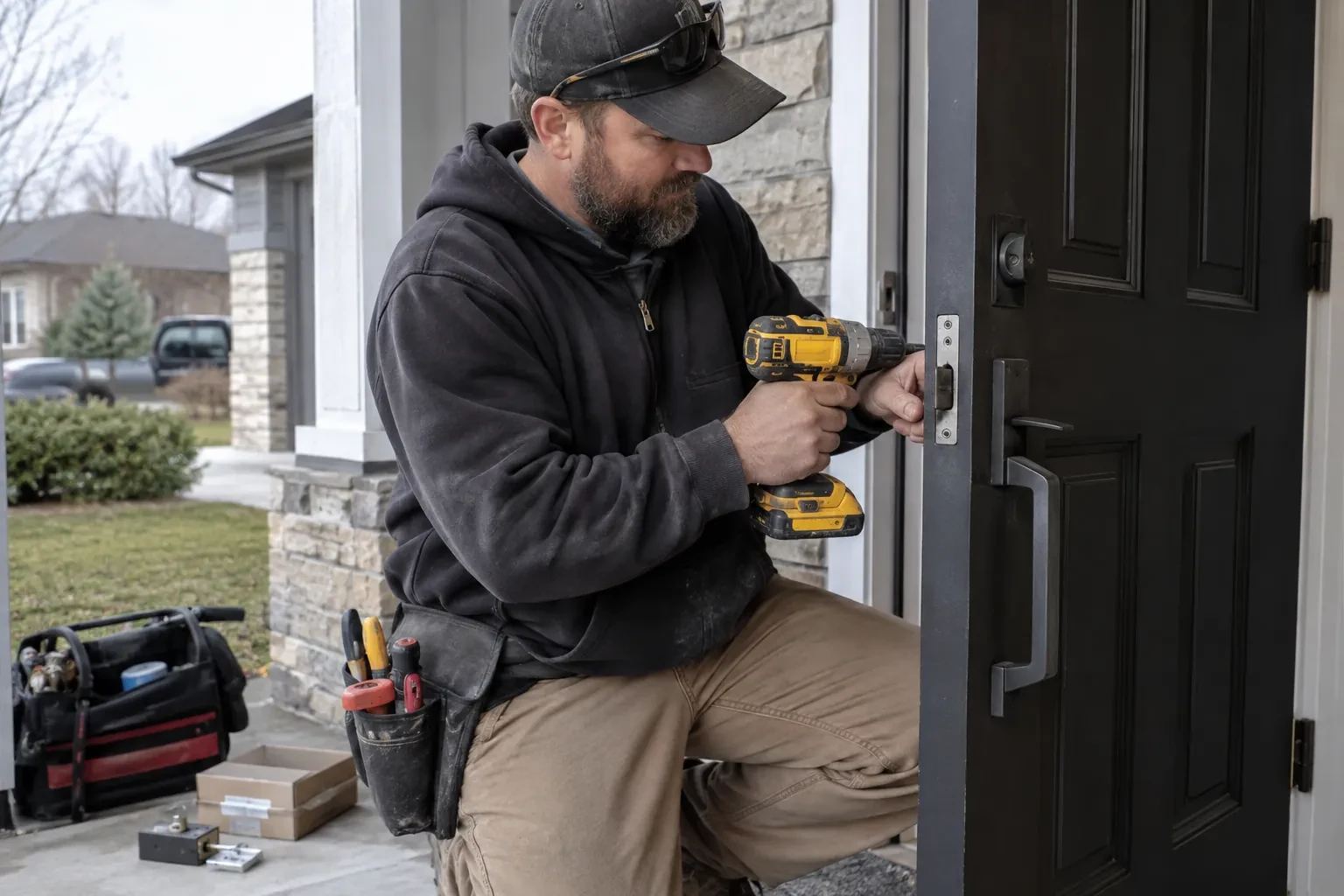
In the van
Nine-volt backup battery
Mechanical or electronic lock
Hammer drill and masonry bits
Desiccant packets
Level and floor shims
Safe Installation & Servicing
What affects the quote
Anchoring difficulty at the chosen spot
A straightforward concrete floor is the simplest case, while a wood subfloor needing joist location, or a tiled surface needing an alternative fastening point, both add steps to the anchoring work.
An insurer's or head office's stated requirement
Some businesses are told by a policy or a head office exactly what rating a safe on the premises needs to meet, which narrows the choice of unit before other factors are weighed.
What the safe will store
Cash, jewelry, firearms, paper records, and digital backups each call for different priorities between burglary resistance and fire resistance, and that decision shapes which unit is recommended before anything else is considered.
What to have ready
- Are there stairs or narrow doorways between the entrance and that spot?
- Has the safe ever been anchored to the floor or wall before?
- Does an insurer or head office require a specific rating?
Safe Installation & Servicing: questions
QuestionsWhat does a typical installation or servicing visit involve?
The visit opens with a look at what the safe needs to protect and where it will sit, moves into positioning and anchoring for a new unit or bolt-work and lock testing for an existing one, and ends with the lock cycled several times and a combination or code set that only the owner knows. The exact order shifts depending on whether the job is a new installation or ongoing servicing.
How do I decide between a bigger safe now or upgrading later?
It comes down to how much the amount being stored is likely to grow over the next few years. A safe sized with some room to spare avoids an early repeat visit, while a unit sized exactly for today's needs can be outgrown within a year or two for a growing business. Anchoring and lock work do not change much with size, so the main trade-off is simply the footprint the larger unit takes up in the room.
How do I know what rating of safe I actually need?
Start with what will be inside it. Cash, jewelry, and firearms mainly need protection from tools and time, so the burglary rating matters most. Paper records and digital backups mainly need protection from heat, so the fire rating matters most, and digital media needs a noticeably lower internal temperature than paper to survive. Many households and businesses end up choosing a unit built to both standards rather than picking just one.