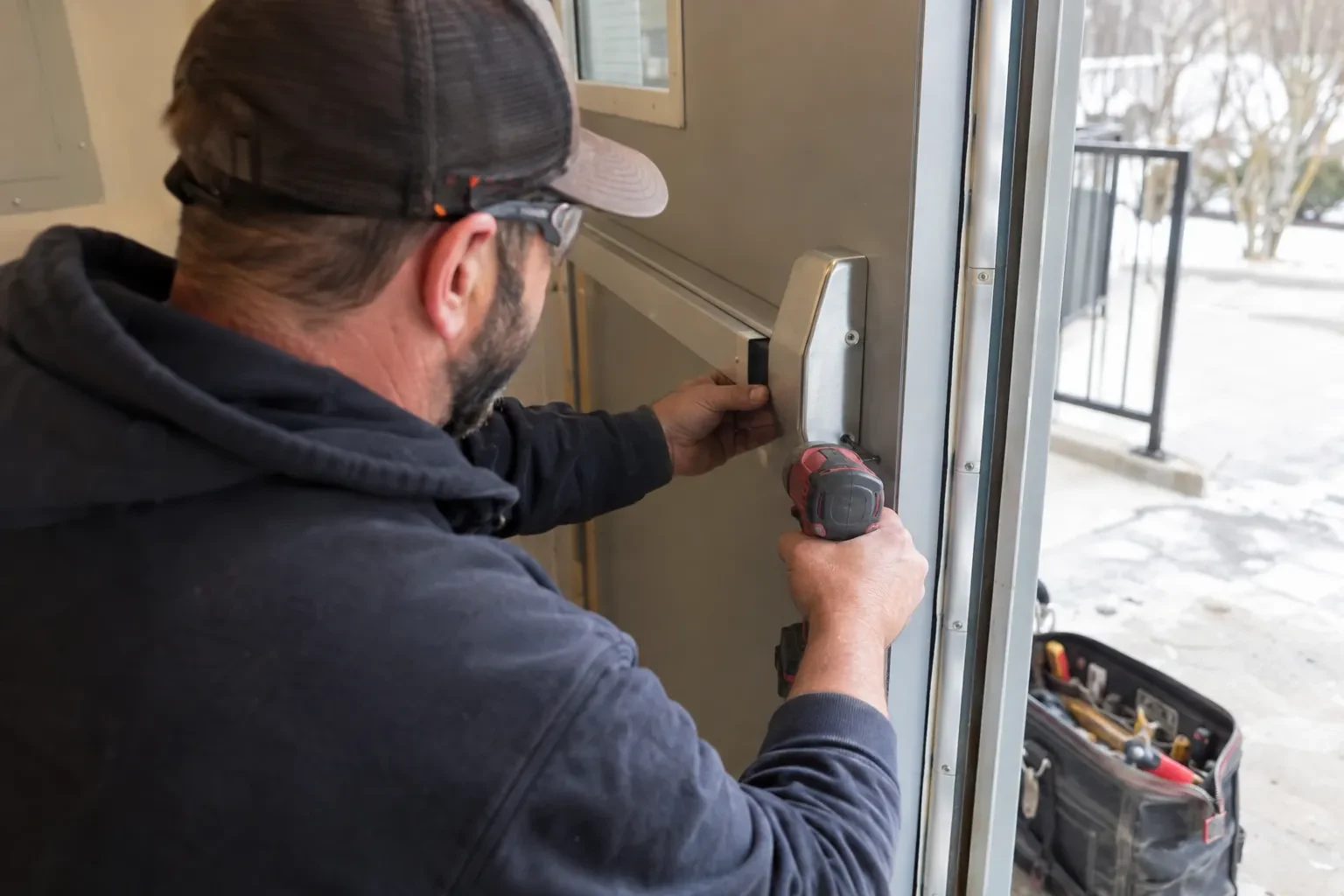
Change or rekey
Change or Rekey Locks
Cold mornings, sticky keys and a deadbolt you have to lean on to throw are all signs the hardware is asking for attention. Residential repair work catches those early, before a snapped key or a jammed bolt turns a nuisance into a lockout.
Which one do I need?
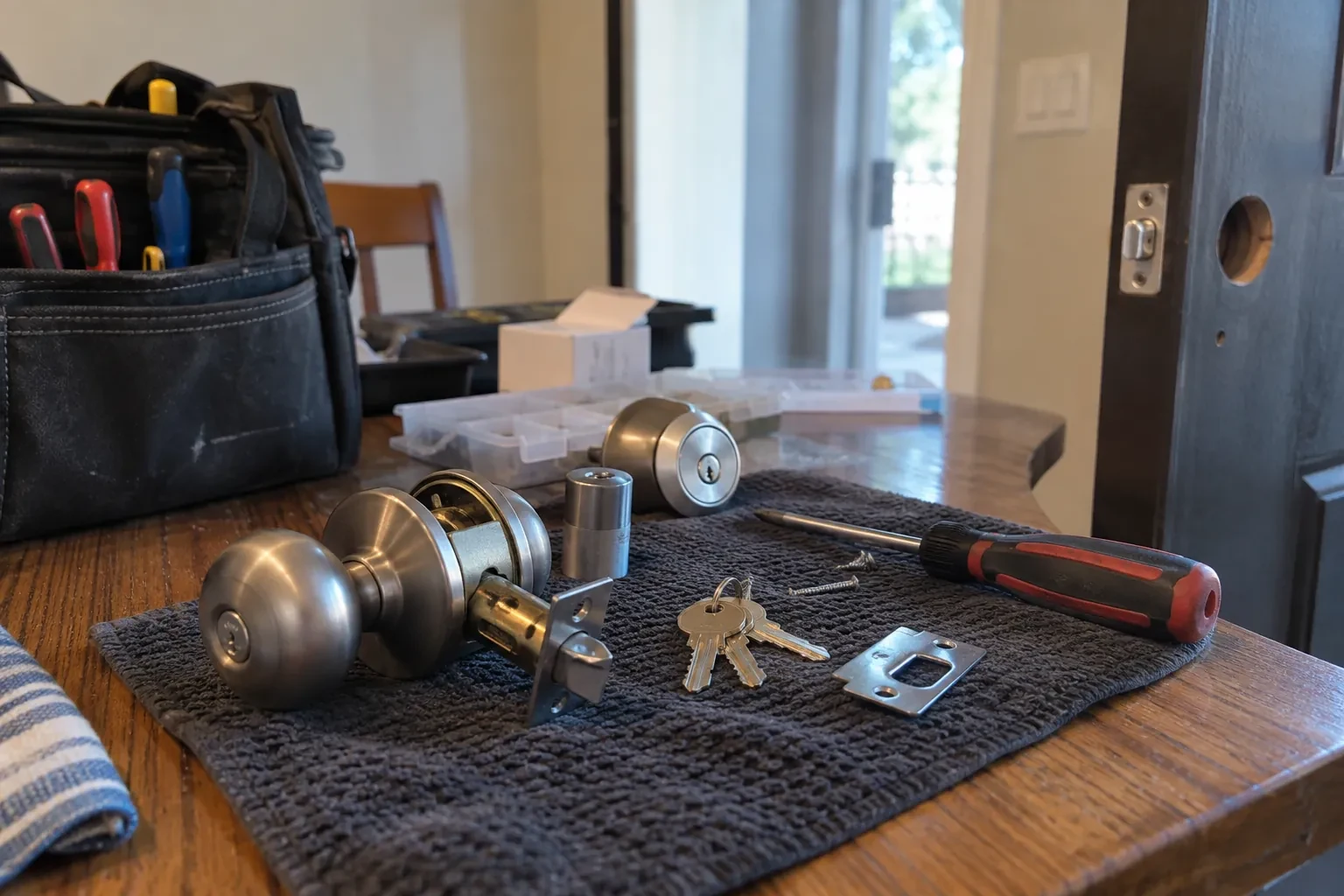
- The whole key ring went missing somewhere between the grocery store and the bus.Lock Rekeying
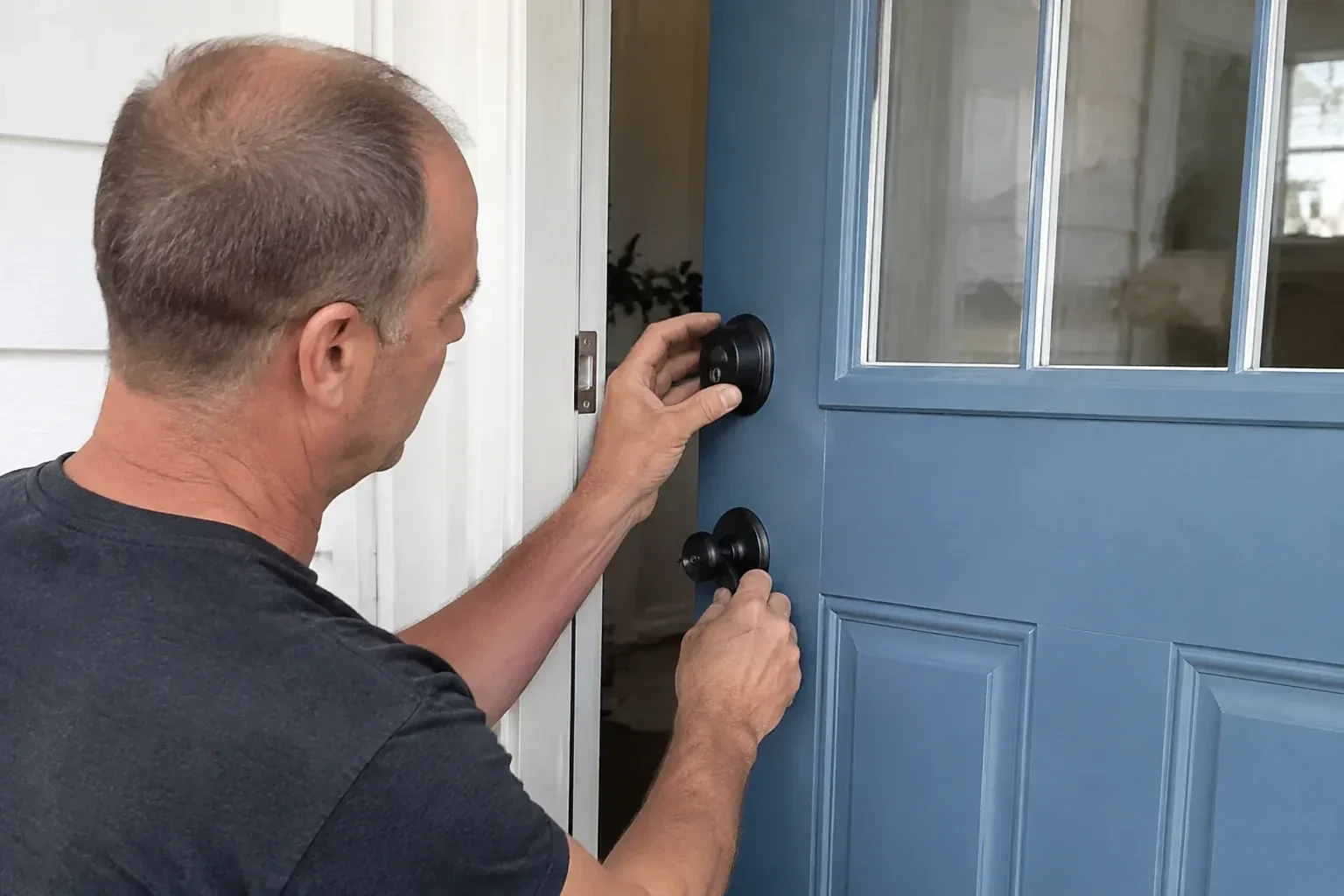
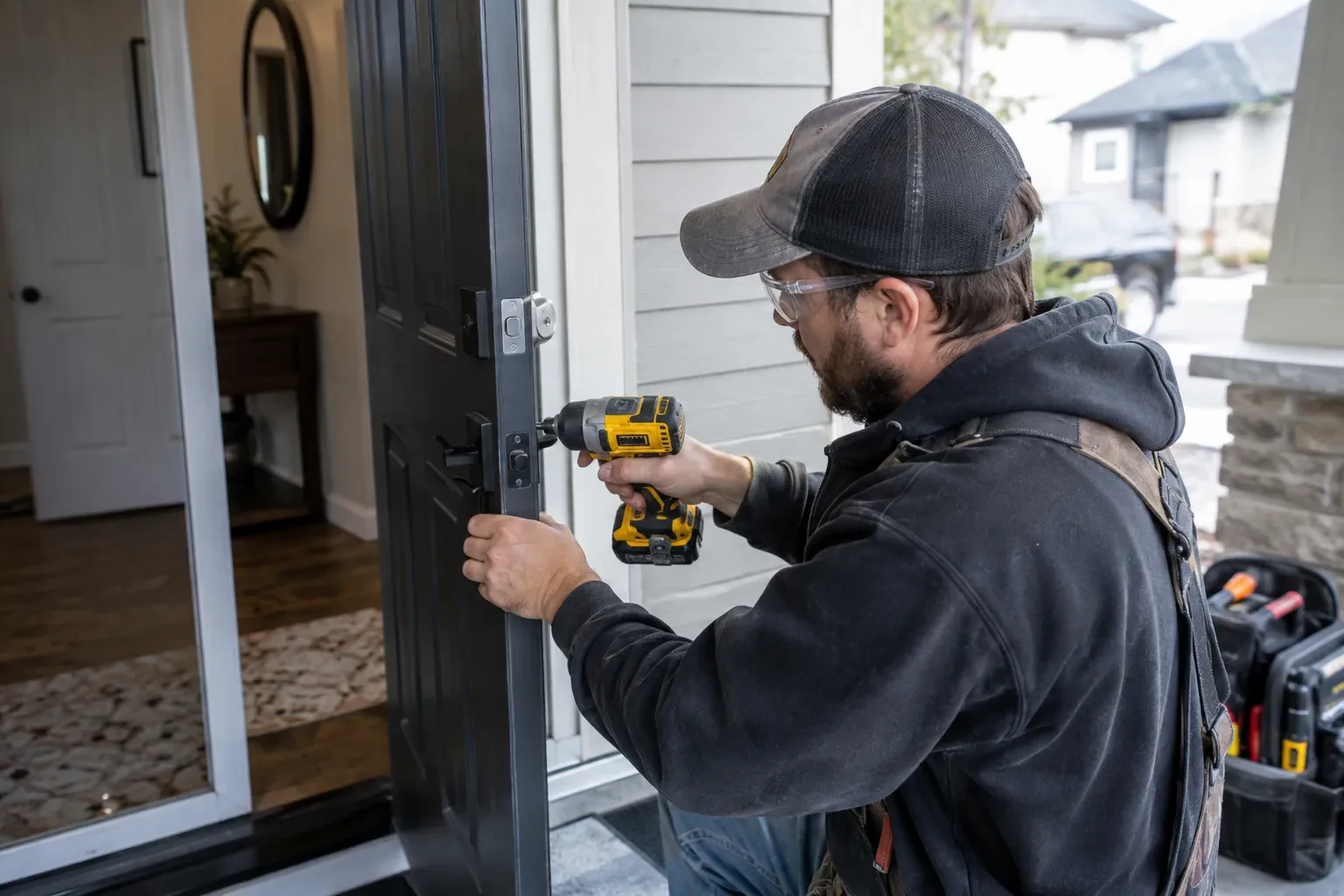
- You bought a keypad deadbolt online and pulled the old one off, only to find the hole in the door is a different size and the bolt latch sits at a backset the new kit does not list.Deadbolt Installation
- Someone tried the back door while you were away.Lock Replacement & Upgrade
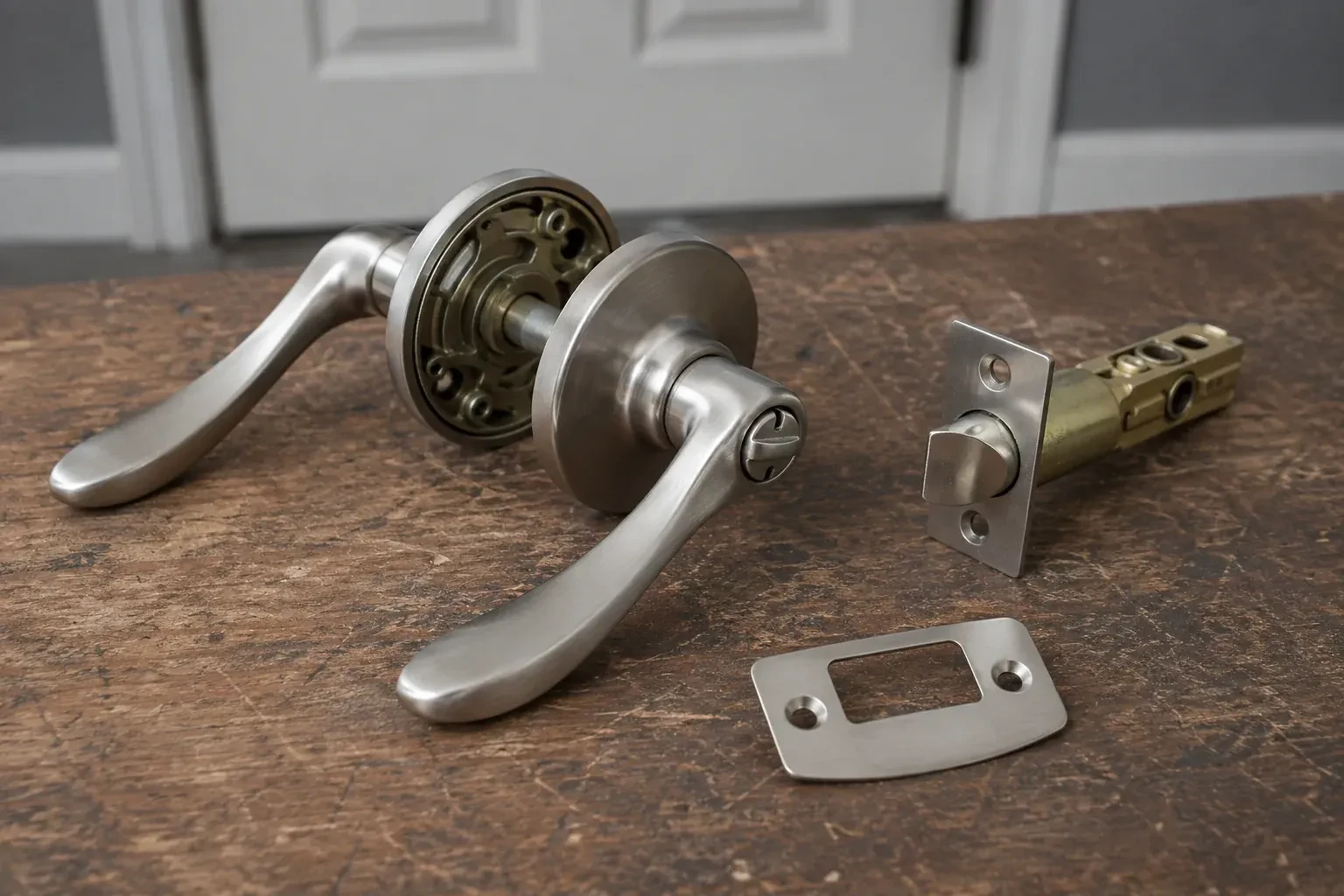
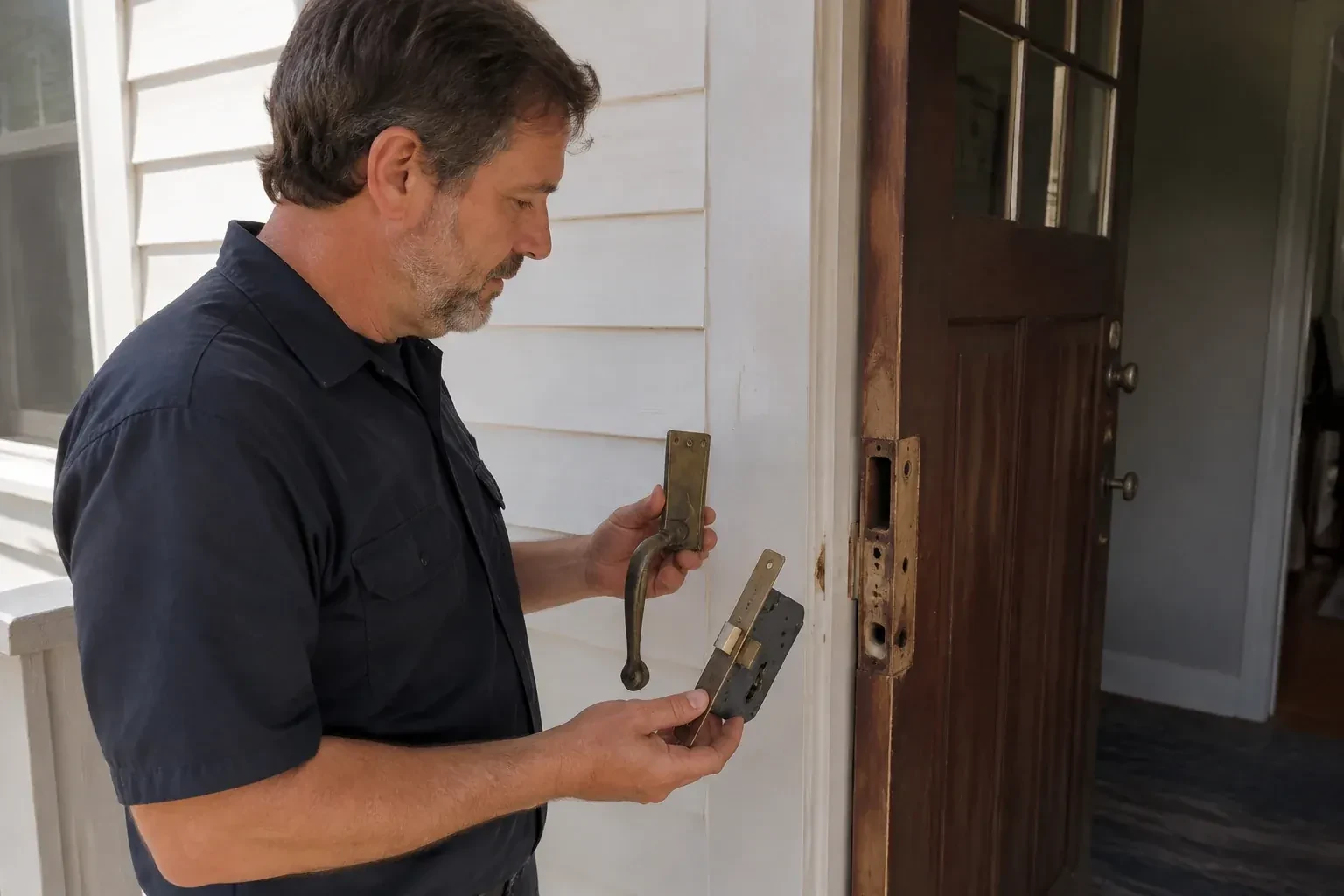
- The brass knob on the front door of your century home turns, but nothing happens on the other side.Vintage Mortise Lock Service
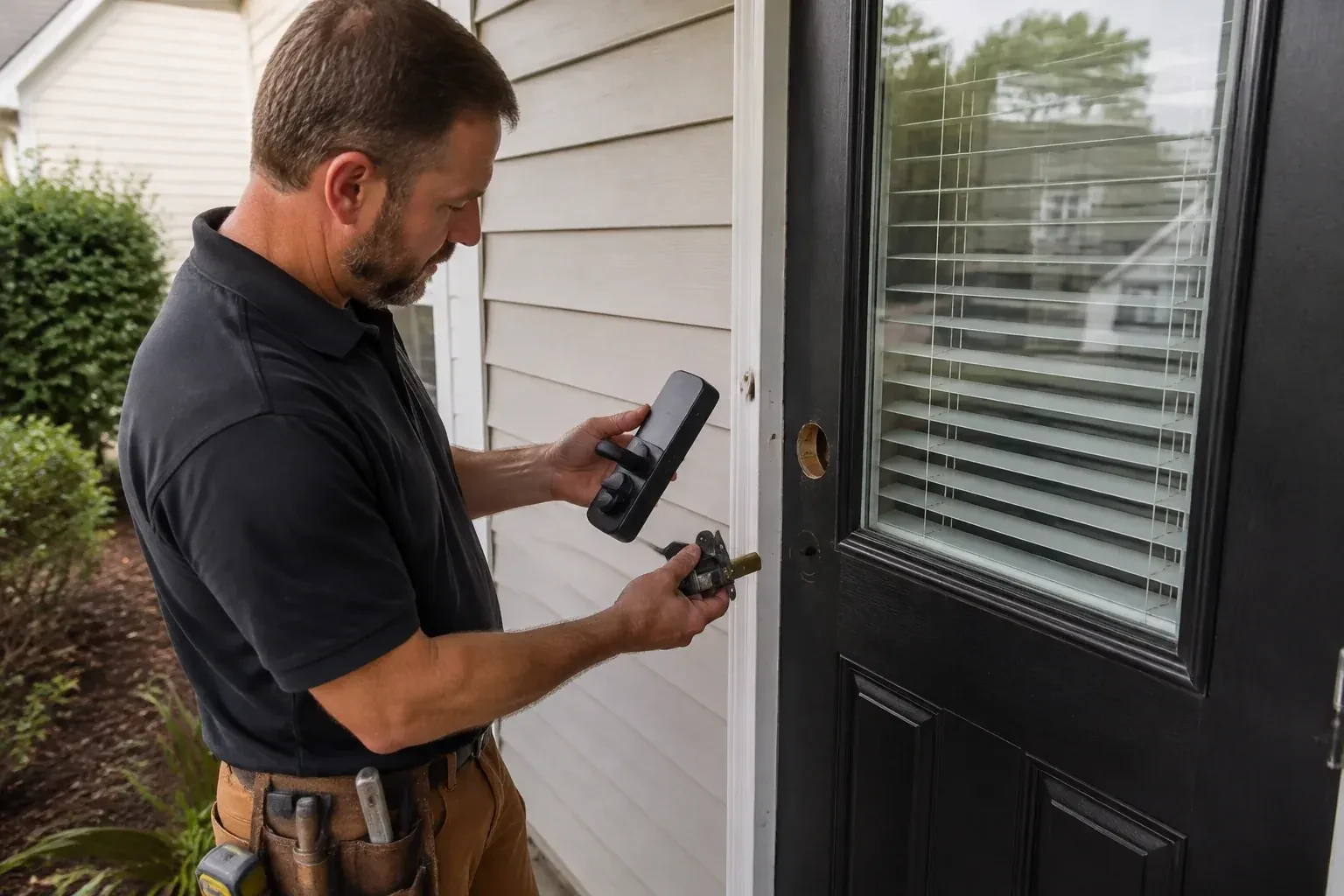
- Half the evenings someone asks whether the back door got locked, and nobody is sure.Smart Lock Installation
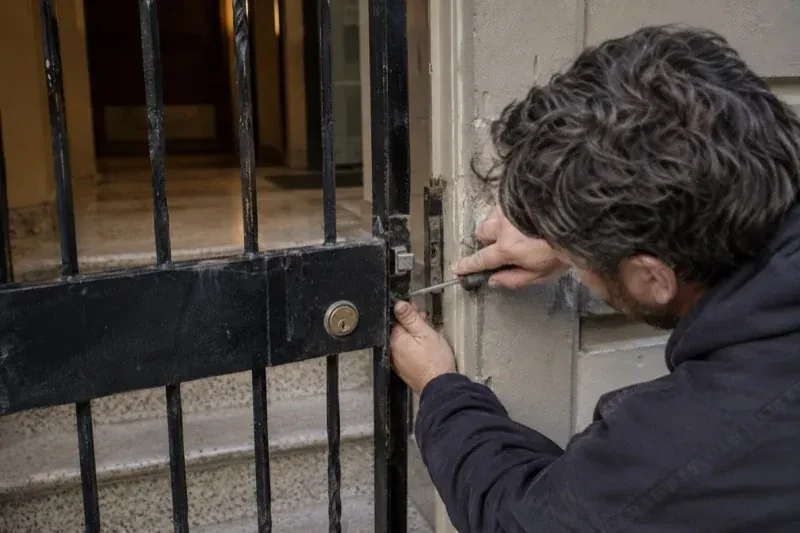
- The padlock on the side gate has gone stiff every winter for three years running, and this year the key simply will not turn past the first few pins.Gate & Building Entry Locks
Change or Rekey Locks
New keys for the locks you have, or new locks where the hardware has worn out: rekeying, replacement, deadbolts, smart locks and older mortise hardware.
Lock Rekeying
Reading the keyway on each lock
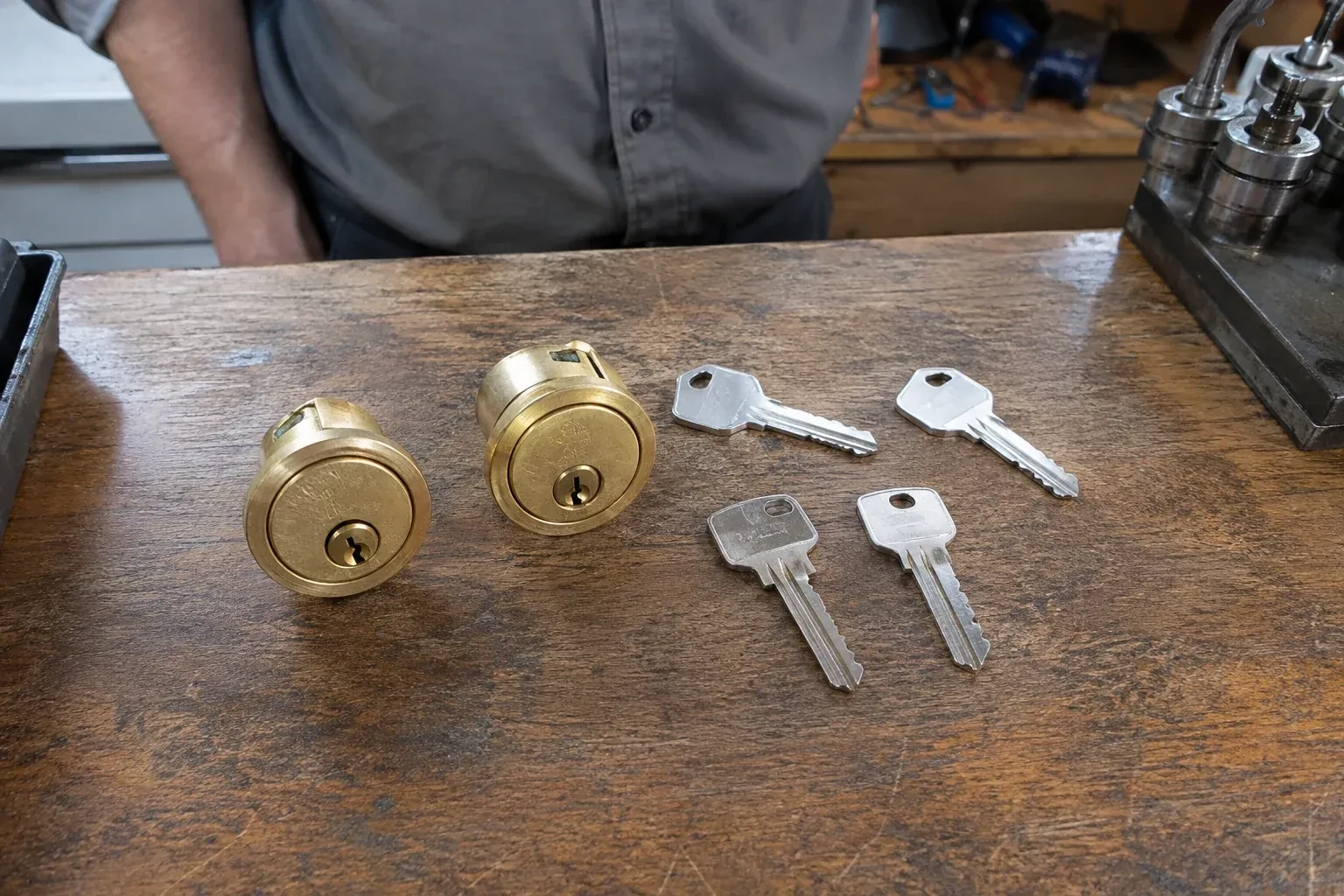
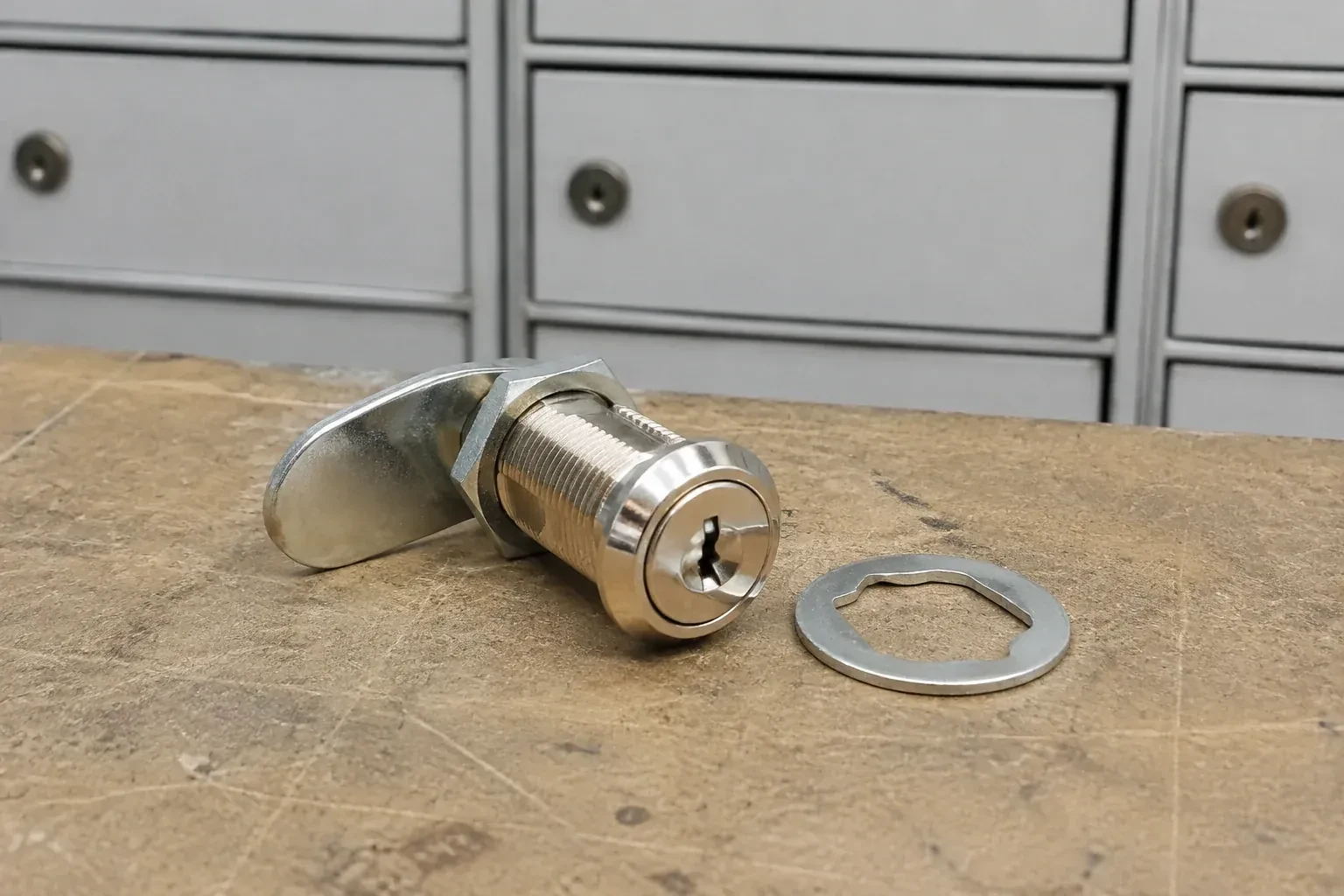
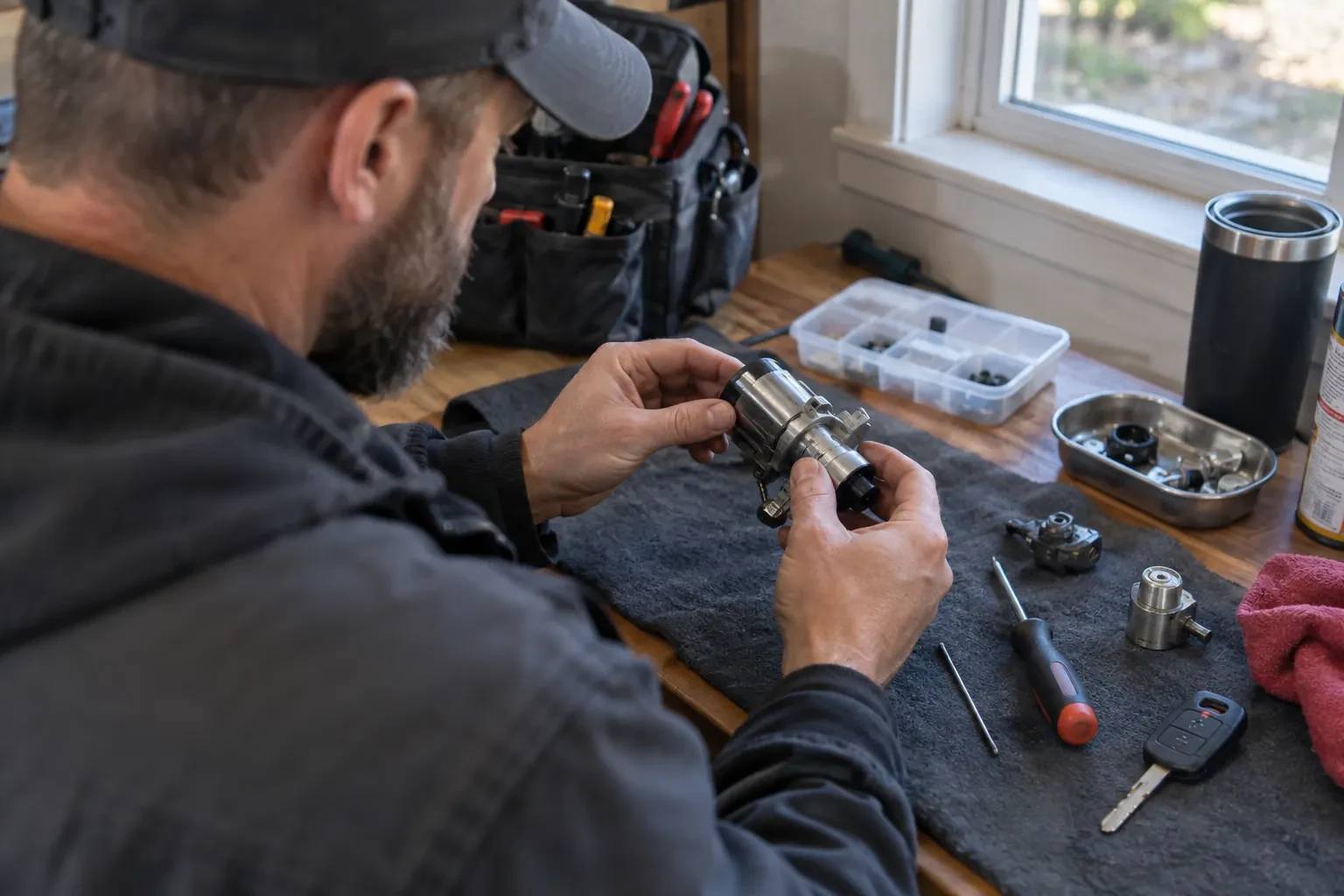
Whether several doors can share one key depends on the cylinders, not the number of doors. Each lock has a keyway, the profile a key must match to enter the plug, and only cylinders with the same keyway can be pinned to the same key. The locksmith looks at the face of each cylinder and the profile of each existing key to sort the house into families.
Most homes carry one or two of the common residential keyways, sometimes with an odd one on a side door or a padlock. Anything from a different family is noted so you can decide whether to swap that cylinder for a matching one and bring the door onto the house key.