Commercial · Toronto
Access Control Installation
The team has grown past the point where one shared key still makes sense.
In plain words
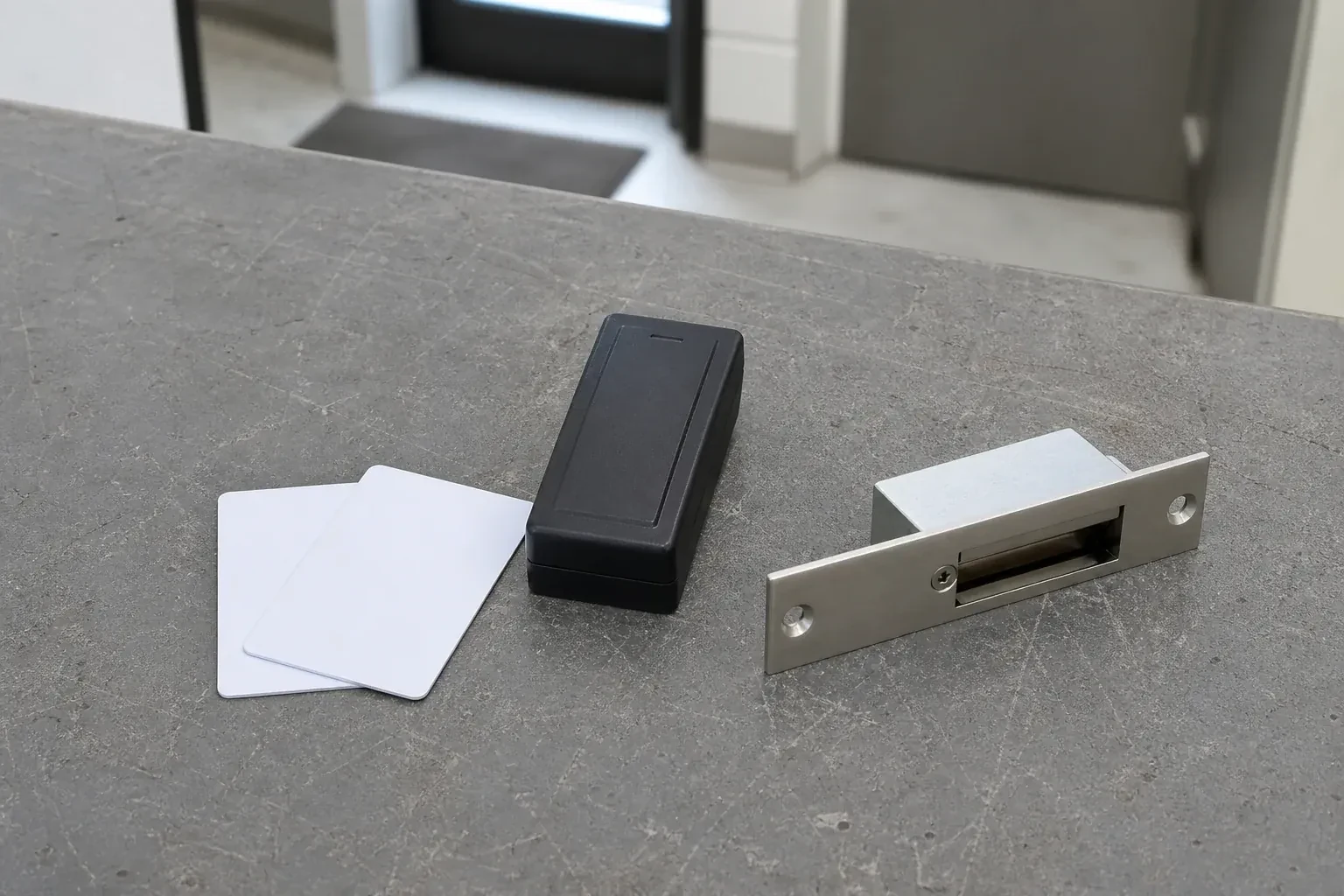
Credentials take several forms, and most installations end up mixing them: a proximity card or fob held near a reader, a keypad code typed at the door, or a mobile credential read from a phone. Cards and fobs are simple to hand out and just as simple to switch off if lost; a code needs no hardware to issue but has to be changed once shared too widely; a mobile credential ties entry to a device the person already carries. The mix is chosen door by door, based on who uses each one and how often.
How the visit goesDeliveries arrive before anyone is scheduled to be there, which right now means either propping the loading dock open at dawn or handing a key to a driver you have never met.
Access Control Installation
How the visit goes
Working out schedules and who needs which door
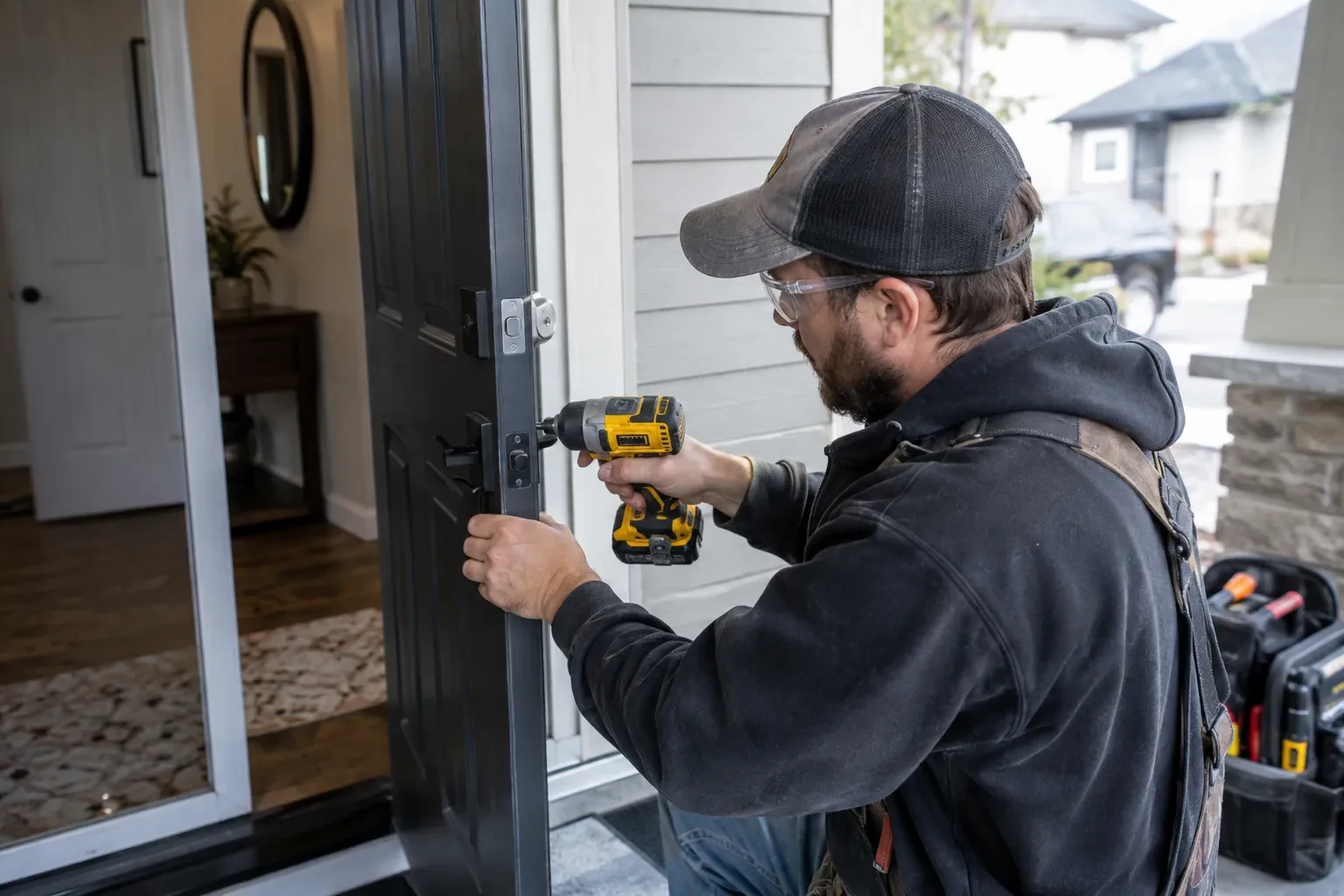
Not every credential should open every door, and not every door should unlock at the same hour, so the locksmith works through a simple list with the business: which roles need which openings, whether a loading dock or a storage room should follow its own hours, and whether a holiday schedule or a temporary contractor credential comes up regularly. This list becomes the access levels and schedules programmed into the controller later, and getting it right at this stage means fewer changes to make once people are already using their cards or codes.
Fitting an electric strike
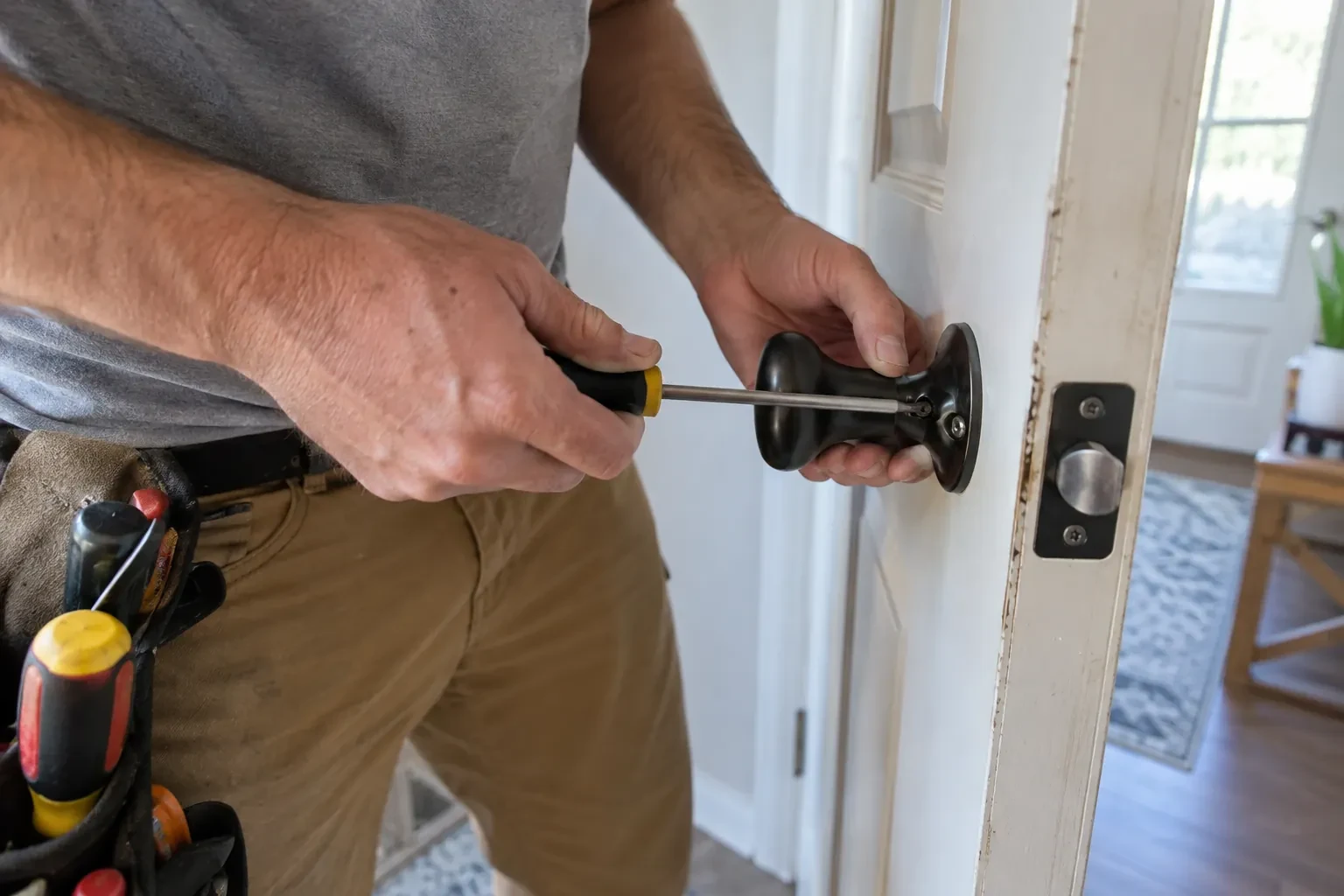
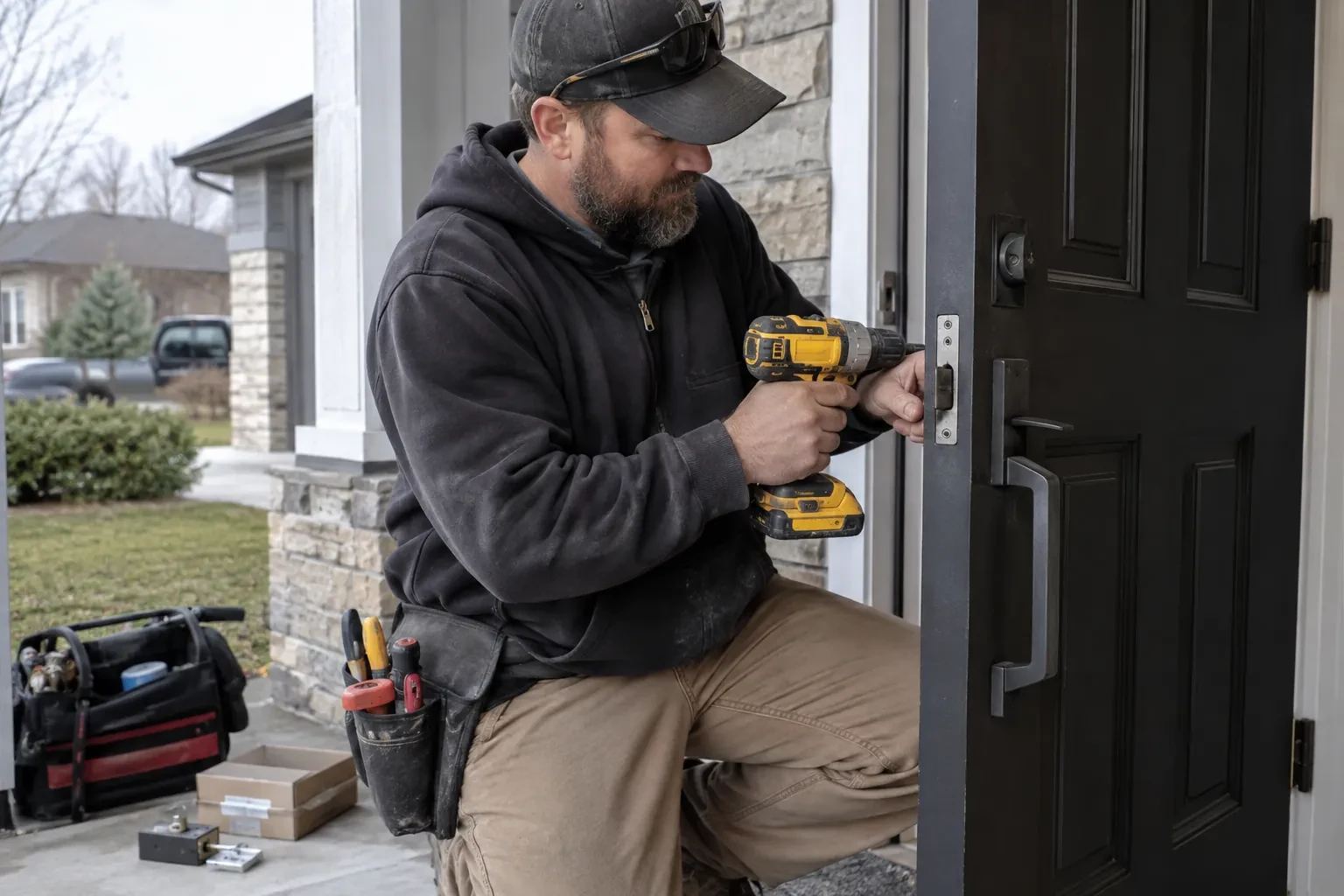
Where the frame allows it, an electric strike replaces the fixed keeper the latch normally strikes against, so the door keeps its existing latch and lockset and simply releases the strike plate when a valid credential is presented. The locksmith mortises the frame to fit the strike body, runs a low-voltage cable within the frame or jamb back to the controller, and sets the strike to hold the door secure until the controller sends a release signal. Because the latch itself never changes, the door still closes and locks normally by hand at any time, credential or no credential.
Keeping the mechanical override where it belongs
Where a controlled door has a mechanical override, that key is worth treating with the same care as any master key: held by a named person or two, not left in a drawer everyone can reach, and used mainly as a fallback rather than a daily habit. Because that key bypasses the electronic record entirely, using it routinely quietly undoes the audit trail the system was installed to provide, on any door where one is fitted. Keeping it for genuine emergencies is what keeps the electronic system the normal way in, and the key the backup it was meant to be.
Access Control Installation
In the van
Magnetic locks
Low-voltage cable
Request-to-exit devices
Electric strikes
Access control panel
Access Control Installation
What affects the quote
Coordinating a shared or multi-tenant entrance
A shared lobby or parking entrance in a multi-tenant building needs agreement between the property manager and each tenant on which credentials belong where, and that coordination adds time beyond a single business's own doors.
The building's age and frame material
A modern hollow metal frame generally accepts new hardware with less adjustment than an older wood frame or a historic building, where matching the existing appearance and construction takes extra care.
How many doors are being controlled
A single entrance and a building with a dozen openings are different jobs in scale rather than kind, and the number of doors, readers and locks involved is the largest single factor in sizing the work.
What to have ready
- What are the doors and frames made of, as far as you know?
- Do you already have an alarm or camera system in place?
- Is there network access near where a controller could be mounted?
Access Control Installation: questions
QuestionsWill this work with our existing alarm or camera system?
In most cases, yes. An access control installation can be planned to share information with an existing alarm panel, so an arm-or-disarm event lines up with whoever unlocked the door, and with a camera system, so a recorded clip can be matched to a specific credential rather than only a timestamp. The exact integration depends on what the existing alarm and camera equipment support.
Can a landlord and several tenants share one system?
Yes. In a multi-tenant building, a shared entrance can run on the landlord's controller while each tenant's suite runs its own credentials, so a tenant's staff can reach their own space without gaining access to another business's door. The property manager and each tenant work out together which doors belong on which list before the system is programmed.
Can access control be added to just one door, or does it have to cover the whole building?
A single door with its own standalone reader is a complete installation on its own, and plenty of businesses start there. If more doors need controlling later, a networked controller can be added at that point, or the building can simply add another standalone unit. Nothing about starting small commits the business to expanding, and nothing about a single-door job rules out growing the system later.
Related services
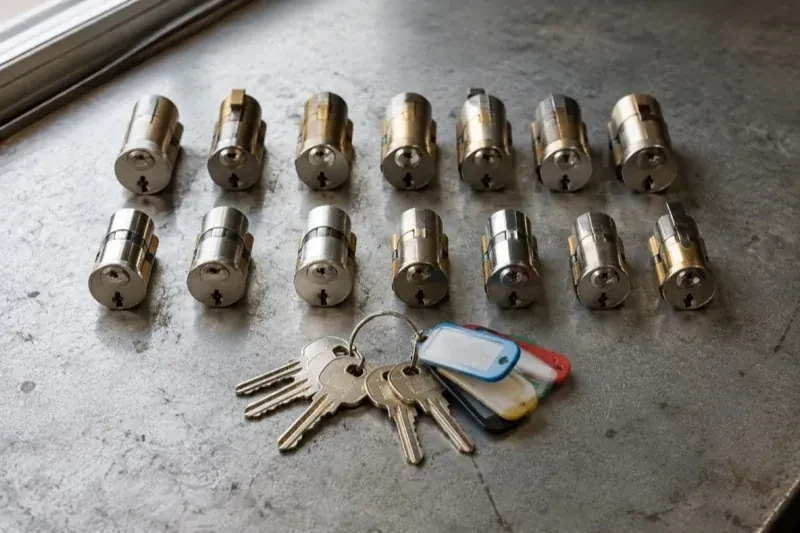
- Master Key System DesignThe new wing was built with its own brand of cylinder, so the two-year-old keys from the original building do not open a single door in the addition.
- Panic & Exit HardwareThe daycare wants the yard gate and the classroom door alarmed so a staff member hears the moment it opens, without turning either into something a child could be shut behind.
- Commercial-Grade Lock ReplacementAt closing time the hookbolt on the storefront door catches the keeper only on the second or third try, and one employee has started giving the door a shoulder to force it home.