Lockouts · Toronto
Lost Keys — Same-Visit Rekey
The lawyer's envelope held two keys for the new house.
In plain words
The first useful move after losing a key is to think about where it worked rather than where it went. A house key commonly opens more than the front door: the back door, a side entrance, the door from the garage into the house, a shed, a gate padlock, sometimes a storage room or a mailbox. A same-visit rekey starts by listing those openings, then treats the ones that are yours to change and points you to the right person for the ones that belong to a landlord, a condominium or the postal service. Every cylinder on the list leaves the visit taking a new key.
How the visit goesThe keys fell out of a gym bag somewhere between the arena and the parking lot. The ring has a tag from the building with the unit number on it. Whoever finds it has an address and a key that fits.
Lost Keys — Same-Visit Rekey
How the visit goes
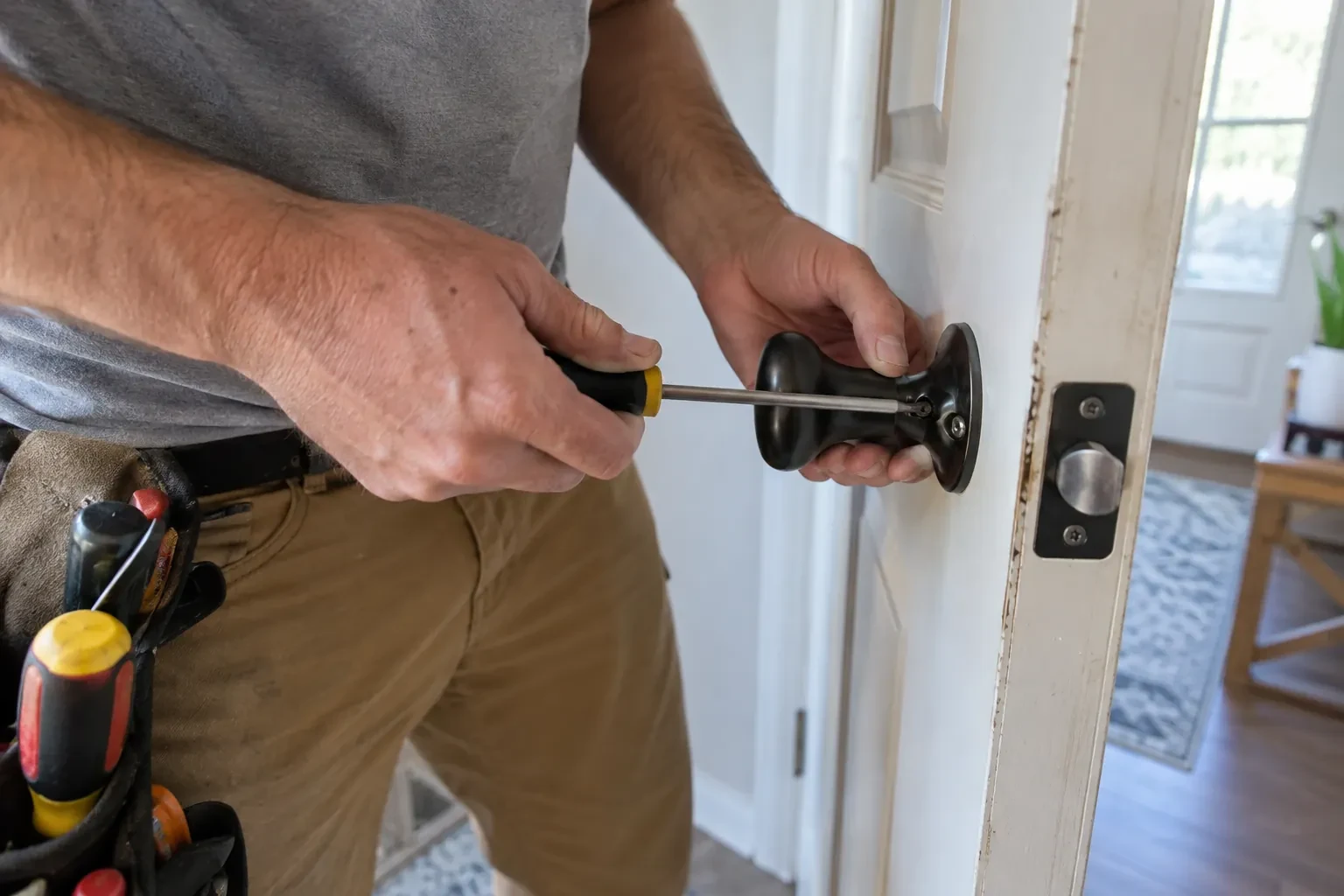
Rekey or replace, cylinder by cylinder
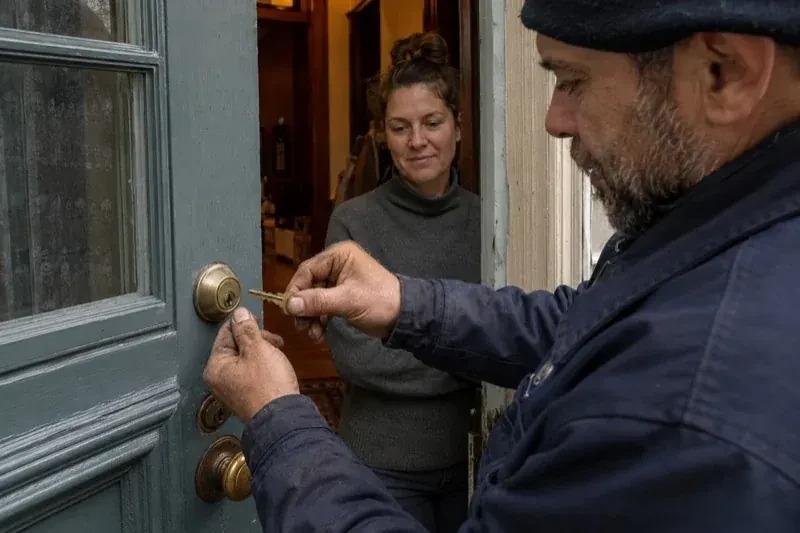
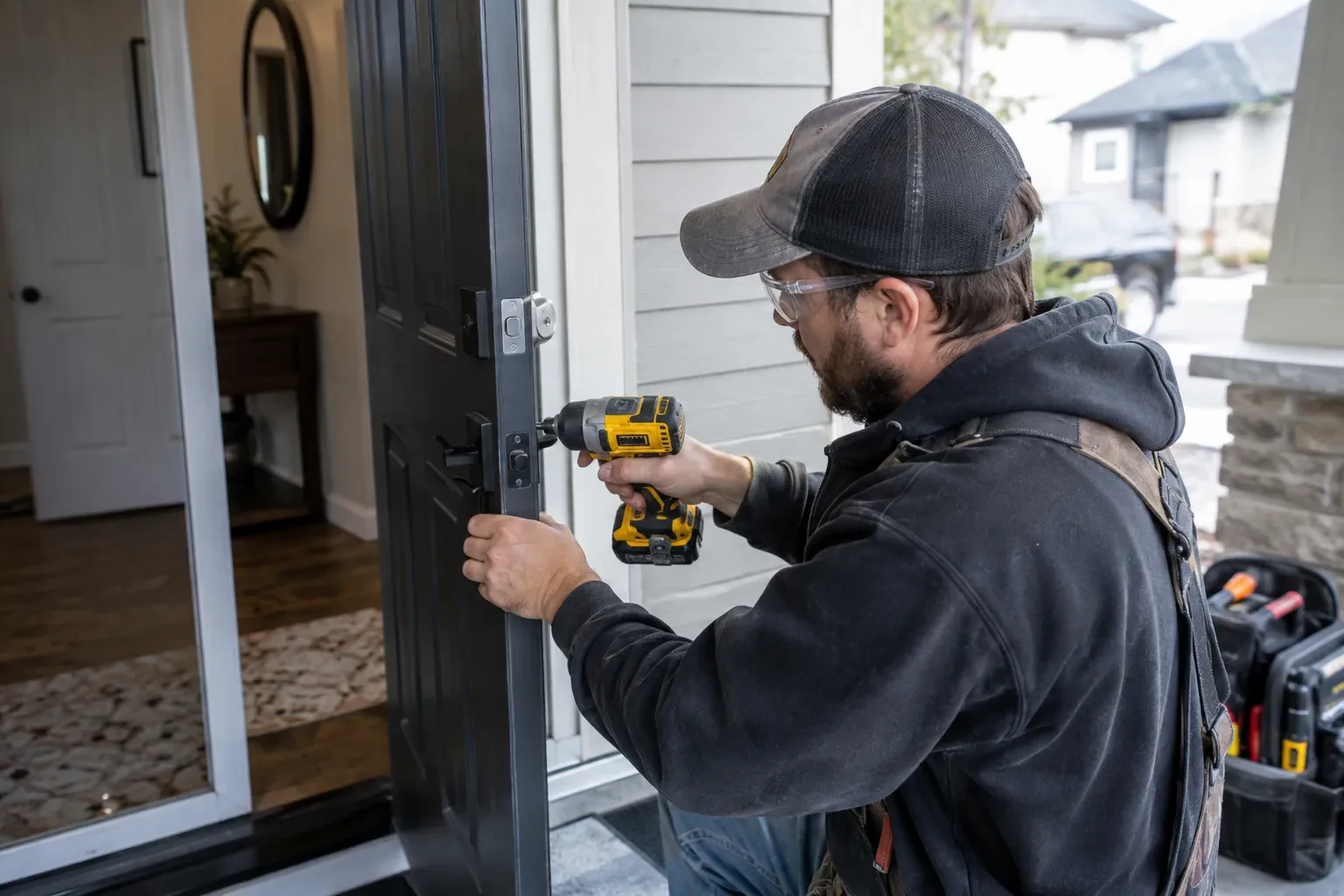
Rekeying suits hardware in sound condition, and most cylinders on a house qualify. The locksmith flags the exceptions while the list is being made: a plug worn oval by decades of use, a cylinder packed with salt and grit from a side door that faces the driveway, a knob lock so light it offers little resistance, or a keyway that no longer has blanks available. For those, a replacement cylinder or a complete new deadbolt keyed to match the rest is proposed as its own item, so you decide door by door. The aim is that every cylinder leaving the visit on a new key is one that will keep turning well for years.
Cutting the new keys on site
Common keys are cut on the van rather than ordered in, though some restricted systems need the blank from an authorised distributor first. The first key is cut on a code machine, a crisp, original-depth key rather than a copy of a copy, and tried in the first repinned cylinder before another is touched, so any adjustment happens once. The rest are cut to the same code, deburred, and tested in turn. Keys cut this way run smoothly from the start and stay accurate through years of copying, because every later duplicate can be made from the code rather than from a worn blade.
Spares that live outside the house
A rekey is the natural moment to decide where the spare goes, because the one under the planter is the reason many of these calls happen. A key with a trusted neighbour or nearby relative is the simplest answer. A small combination lockbox fixed in a discreet spot, with the code shared only with the people on your list, is a step up and can be fitted before the locksmith leaves. For families with a keypad lock, a personal code for each member does the same job without a key at all. Whichever you pick, the spare is now a planned thing with a known home rather than a habit.
Lost Keys — Same-Visit Rekey
In the van
Rekeyable-cylinder reset tool
Key tags and a key register
Plug follower set
Replacement cylinders
Rekeying pin kit
Lost Keys — Same-Visit Rekey
What affects the quote
Paperwork for a landlord or building
Where a landlord, condominium or lease requires a written record of the lock change and key count, preparing that note and any key register update is a small named item.
Travel to the property
Every call-out includes the drive. A house across town and a rural property at the end of a concession road involve different time on the road, and the quote reflects the trip.
Electronic credentials on the same ring
Clearing a garage opener's memory and re-pairing remotes, changing keypad codes or helping report a building fob are small tasks the quote names separately.
What to have ready
- Was a garage remote, building fob or car key on the same ring?
- Was anything with your address, such as a licence or a mail tag, lost with the keys?
- Would you like every exterior door to work on one key?
Lost Keys — Same-Visit Rekey: questions
QuestionsDo I need to be there for the whole visit?
An authorised adult should be present at the start, for identification and to agree the list of doors and the number of keys, and at the end, to test every key and take the count. In between, the work happens at the doors and on the van, so you are free to get on with your day inside. A property manager or a family member with your authorisation can stand in if you cannot be there.
What should I do before the locksmith arrives?
Walk the property and note every door the missing key opened, including the garage, shed and gate. Gather any keys you still have, since a working key helps in reading each cylinder. Have identification and, for tenants, something showing the tenancy. Decide roughly how many keys you want and whether you would like all doors on one key. If a garage remote or building fob was lost too, mention it when you book.
Can all my doors work on one key afterwards?
Usually, yes. Cylinders that share a keyway family accept the same blank, so they can be pinned to one combination during the rekey. The front door, back door, garage entry and a gate padlock of the same family become a single key. Where a door uses a different family, the locksmith can swap its cylinder for a compatible one in the same visit, or you can choose to keep two keys for that door.