Lockouts · The Annex
Broken Key Extraction in The Annex
Overnight the deadbolt froze, and this morning the key would only turn partway.
In plain words
Broken key extraction is the removal of a snapped key piece from a lock so it can go back to work. It is done with slim hooks and spiral extractors that slide into the keyway beside the fragment, catch the cuts in the blade and draw it out the way it went in. First, the locksmith confirms you are entitled to the door or vehicle. Once the piece is out, the cylinder is inspected and cleaned, since a healthy lock does not rule out a key that was already worn, bent or fatigued, and a fresh key is cut so you are not relying on the copy that failed.
How the visit goesThe padlock on the shed has been stiff all summer. Today the key twisted, cracked at the tip, and left the end buried deep in the keyway. The rest came out in your hand, and the padlock is still closed.
Broken Key Extraction
How the visit goes
Confirming the lock is yours to open
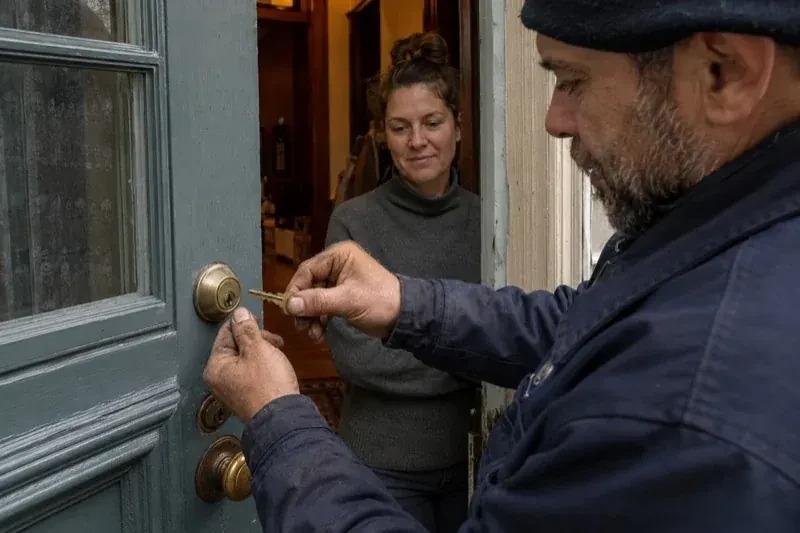
Extraction is an entry service in everything but name, so it starts the way a lockout does: the locksmith establishes that whoever is asking is entitled to the door, padlock or vehicle. For a home that means photo identification plus a document linking you to the address: a lease, a utility statement, or the property manager vouching for you. For a car it is the registration or ownership papers and matching identification. If your wallet is behind the door, say so, and the check is finished once you are inside. It takes a minute, protects every neighbour on the street, and is a sign you have called the right kind of tradesperson.
The spiral extractor for a stubborn piece
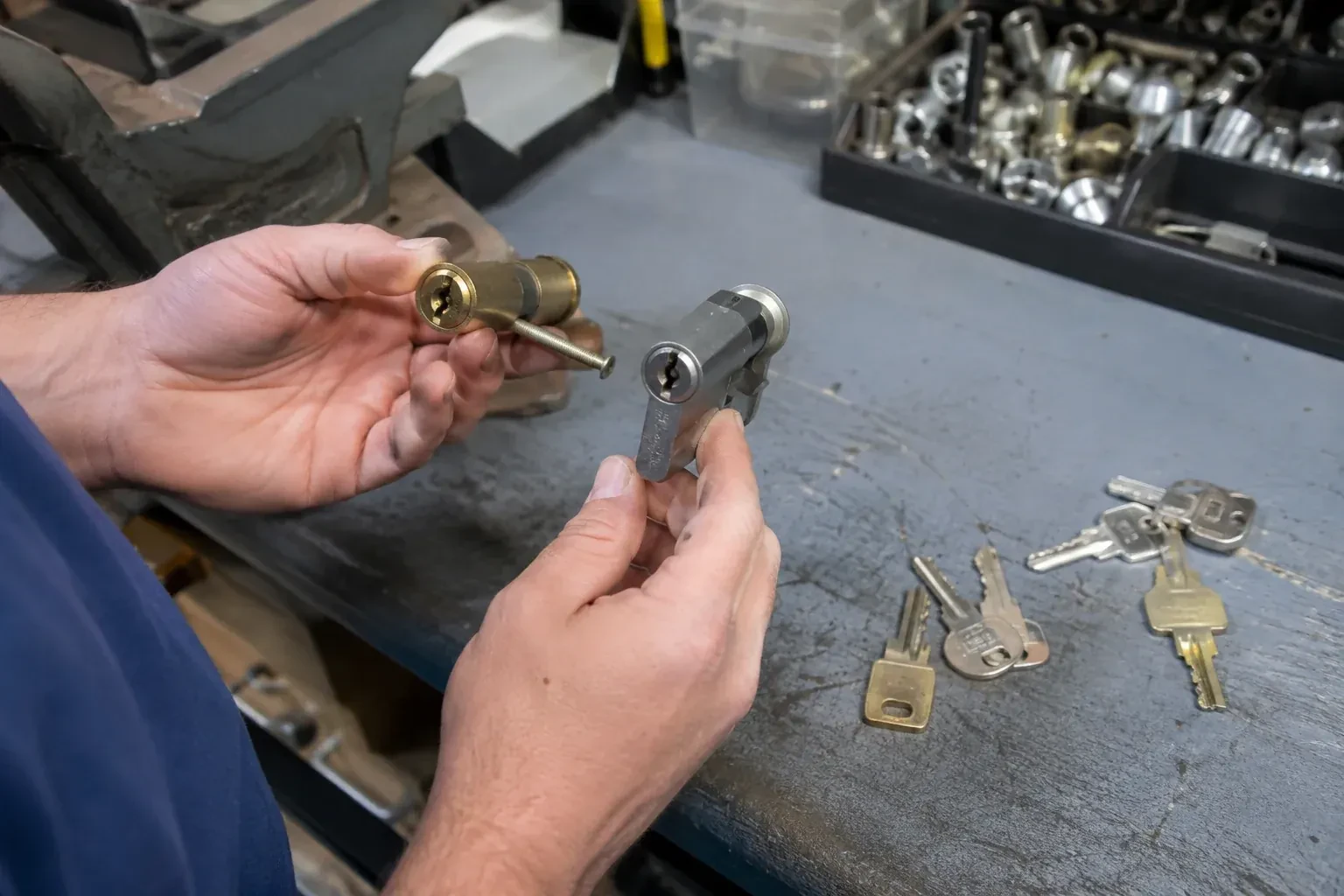
When a fragment sits flat in the keyway with its cuts facing the pins and nothing for a hook to catch, a spiral extractor is the tool. It looks like a very fine screw on a handle. Slid alongside the blade and turned gently, its threads bite into the ridges of the key cuts and grip them. The locksmith then pulls straight back, and the fragment comes with it. A second spiral from the other side of the blade is sometimes used to steady the piece. It is slow and careful work, and it leaves the pins and springs exactly where they were.
A cylinder that has been looked after
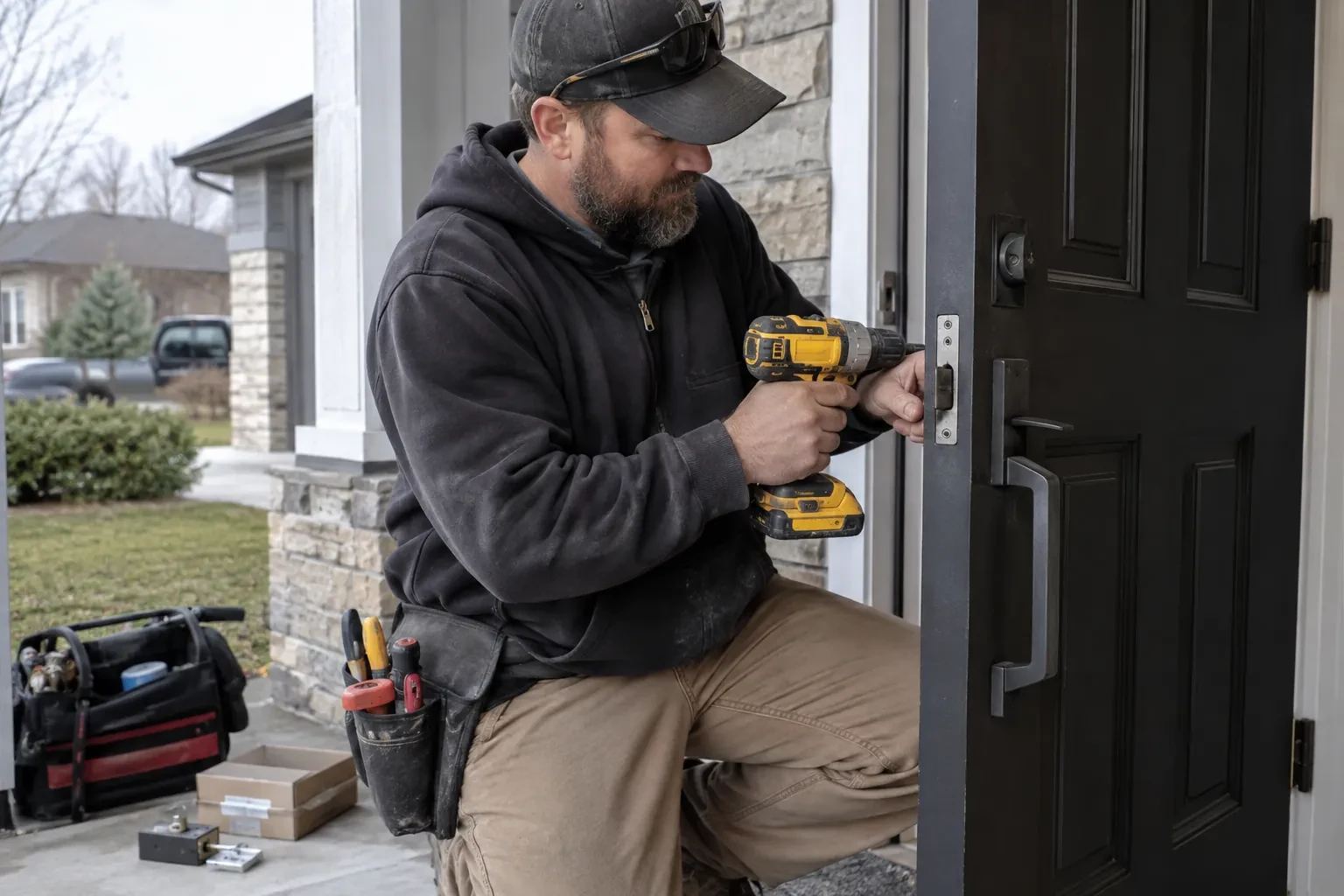
Extraction usually doubles as a service. The keyway has been blown clear of grit and salt, the pins and springs checked for wear, the cylinder cap snugged if it had loosened, and dressed with the lubricant its maker specifies rather than a one-size-fits-all product, since some cylinders take a dry graphite or PTFE spray and others forbid graphite outright. General household oils and sprays commonly collect dust and clog the pin chambers. A puff of the right lubricant twice a year, spring and fall, keeps the cylinder turning freely, and a key that starts to need force is an early message worth acting on before it breaks.
Broken Key Extraction
In the van
Key gauge and decoder
Tension tool for resetting the plug
Compressed air for the keyway
Fine-jawed extractor pliers
Plug follower and cap tool
Broken Key Extraction
What affects the quote
Door or strike adjustment
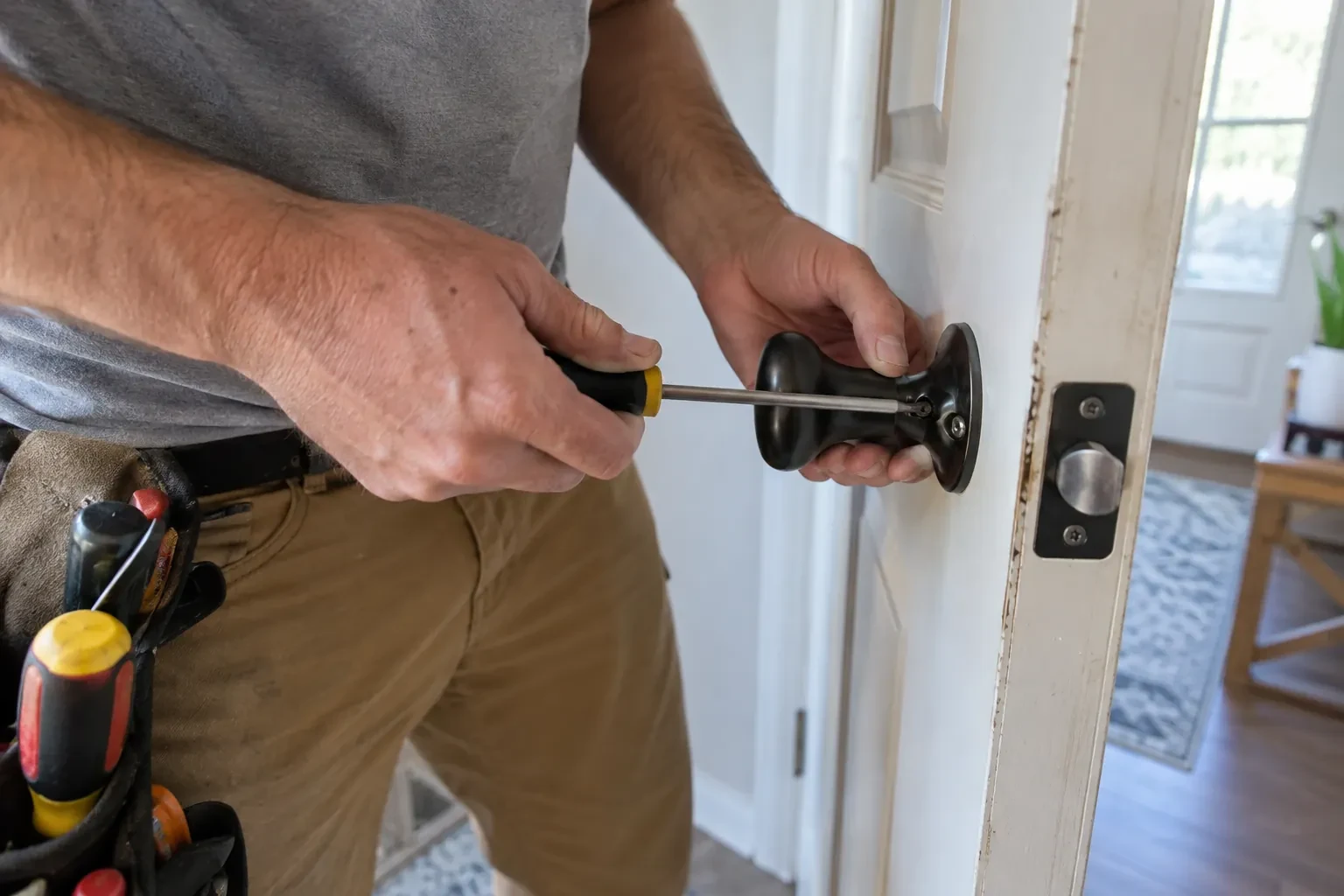
When the key broke because the bolt was binding in a swollen or sagging door, correcting hinges, strike or weatherstrip is offered and quoted as its own item.
Drilling and a replacement cylinder
On the rare occasion a cylinder must be sacrificed, the price includes the new cylinder or complete deadbolt plus fitting it, and that is agreed with you before the drill is picked up.
Where the key broke
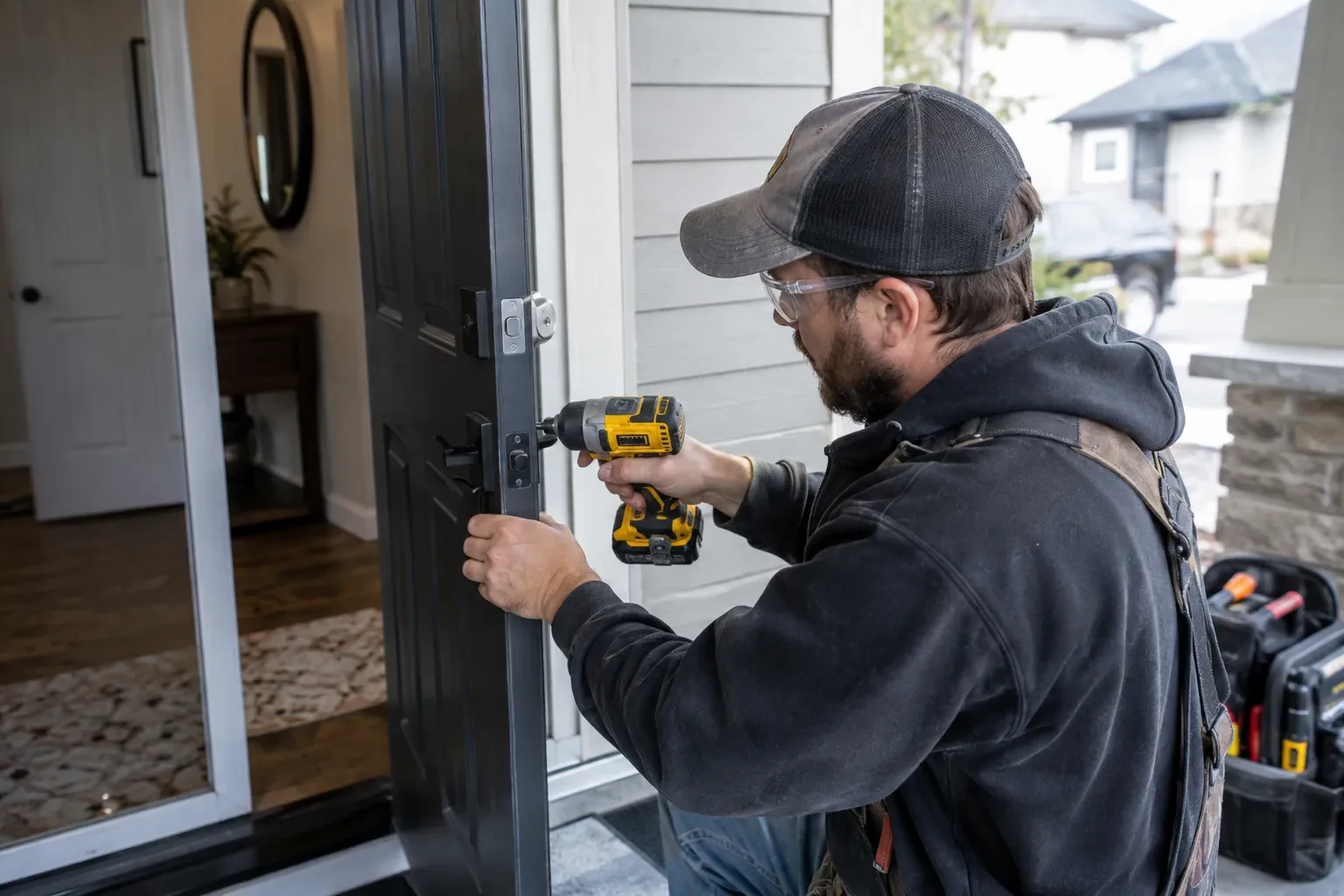
A house deadbolt, a knob, an older mortise case, a padlock, a car door and a vehicle ignition each call for different access and different care, and the quote follows the hardware.
What to have ready
- Do you own, rent or manage the property, and is identification with you?
- Is any part of the key still visible above the face of the lock?
- Where did the key break: a house door, a padlock, a car door or an ignition?
Broken Key Extraction: questions
QuestionsDoes the glue trick work?
It is a well-known idea and a poor one. A drop of adhesive on the other half rarely bonds to a piece of brass sitting in a tight keyway, and what it does bond to is the cylinder, the pins and the face of the lock. That film then has to be dissolved before proper extractors can slide in. Keep the halves apart and dry.
Part of the key is sticking out. Can I just pull it with pliers?
If a good length shows and the plug is at its normal rest position, a firm straight pull sometimes works. The risk is pushing instead of pulling, or twisting, which drives the piece deeper and can bend a pin. If it does not come on the first gentle try, stop there and leave it for extractor tools, which grip the cuts without loading the cylinder.
Will the lock work again once the piece is out?
In most cases yes, and it is tested in front of you with a key that fits. The inspection after extraction is where the honest answer lives: if the pins, springs and cap are sound and the keyway is clean, the cylinder goes back into service with a fresh key. If wear or damage caused the break, that is explained and a rekey or new cylinder is offered as a separate choice.
Related services
- Business Lockout ServiceA cook stepped into the alley with the recycling and the rear door swung shut behind him.
- Break-In Damage Lock RepairThe back door looks closed until you touch it.
- Seized & Jammed Lock OpeningIt is the coldest morning of the winter and the key goes halfway into the side door and stops.