Lockouts · The Annex
Break-In Damage Lock Repair in The Annex
The back door looks closed until you touch it.
In plain words
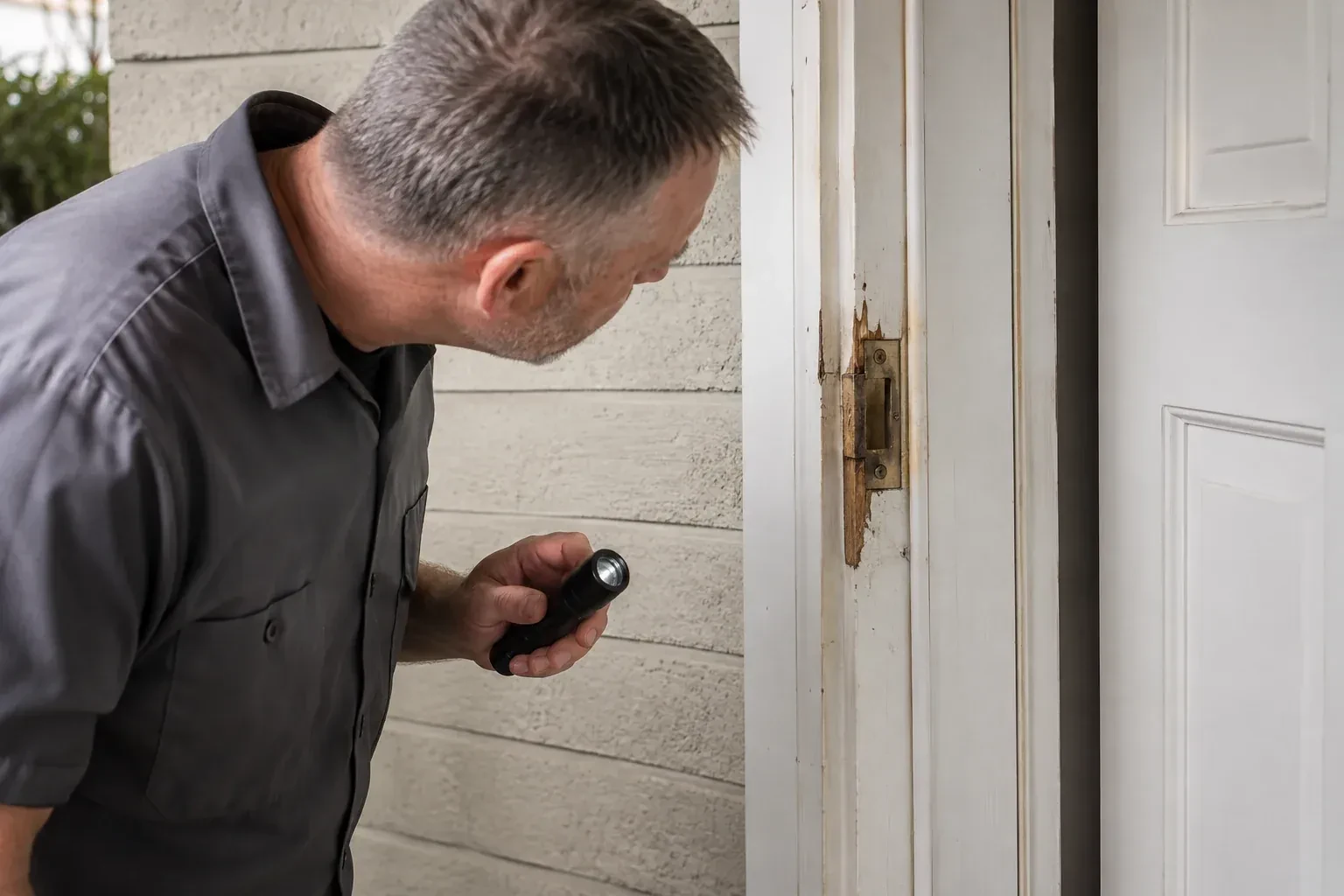
A failed break-in is still a repair. When a lock holds against a pry bar or a kick, the force goes somewhere: a strike plate bends, screws loosen, the door edge takes a gouge, the deadbolt binds where the bolt met the strike under load. Left alone, that door locks a little worse each week and the next attempt starts from where the first one finished. The visit checks every part that took the strain, replaces what bent, reinforces the strike and hinges with long screws and confirms the bolt throws cleanly again. It is also the moment to add what would have made the attempt pointless from the start.
How the visit goesPolice have come and gone, the occurrence number is on a sticky note, and you are standing in a cold hallway looking at a splintered frame, wondering how the house gets locked before everyone tries to sleep.
Break-In Damage Lock Repair
How the visit goes
Who is asking, and is the scene clear
The first minutes are about people, not hardware. The locksmith confirms that the caller has authority over the property: photo identification with the address, a lease, an ownership record or an instruction from the property manager. A break-in is precisely the moment a stranger could ask for a lock to be changed, so the check protects the household. The second question is whether anyone is hurt and whether the intruder is certainly gone; if the police have not yet been called, that call comes before any work, and the door is left as found until they say the scene is released. Only then does the assessment of the opening begin.
Fitting the new deadbolt and cylinder
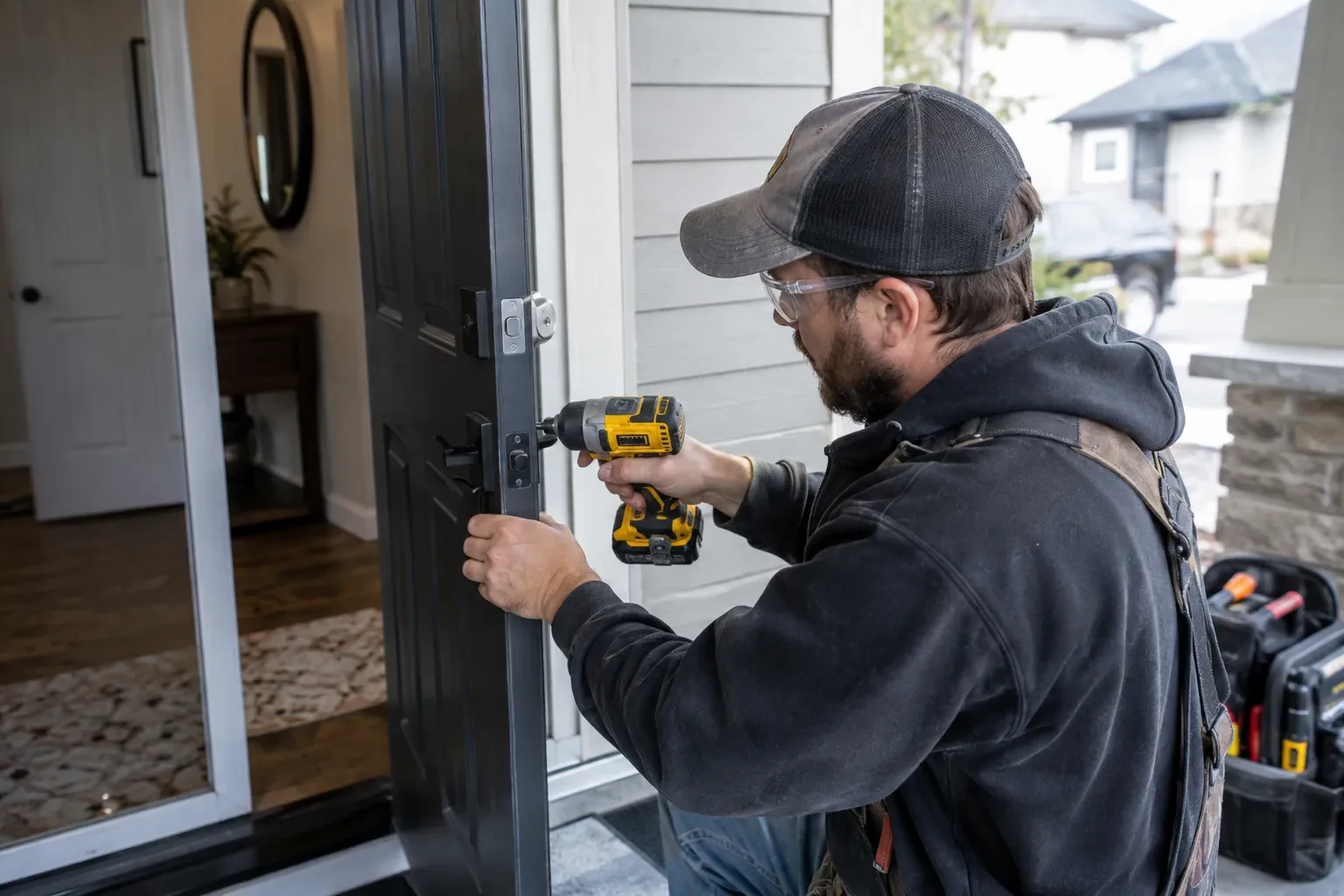
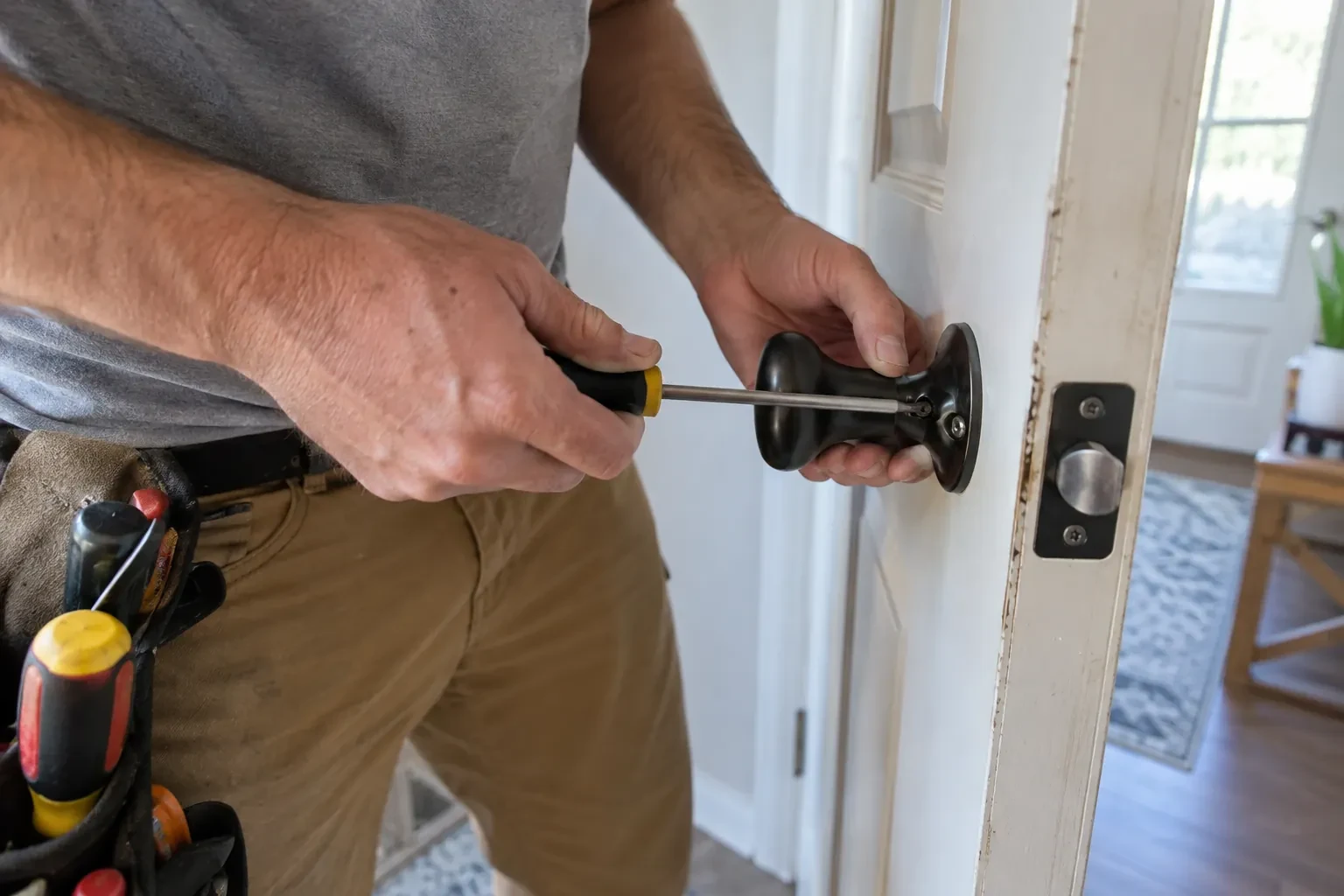
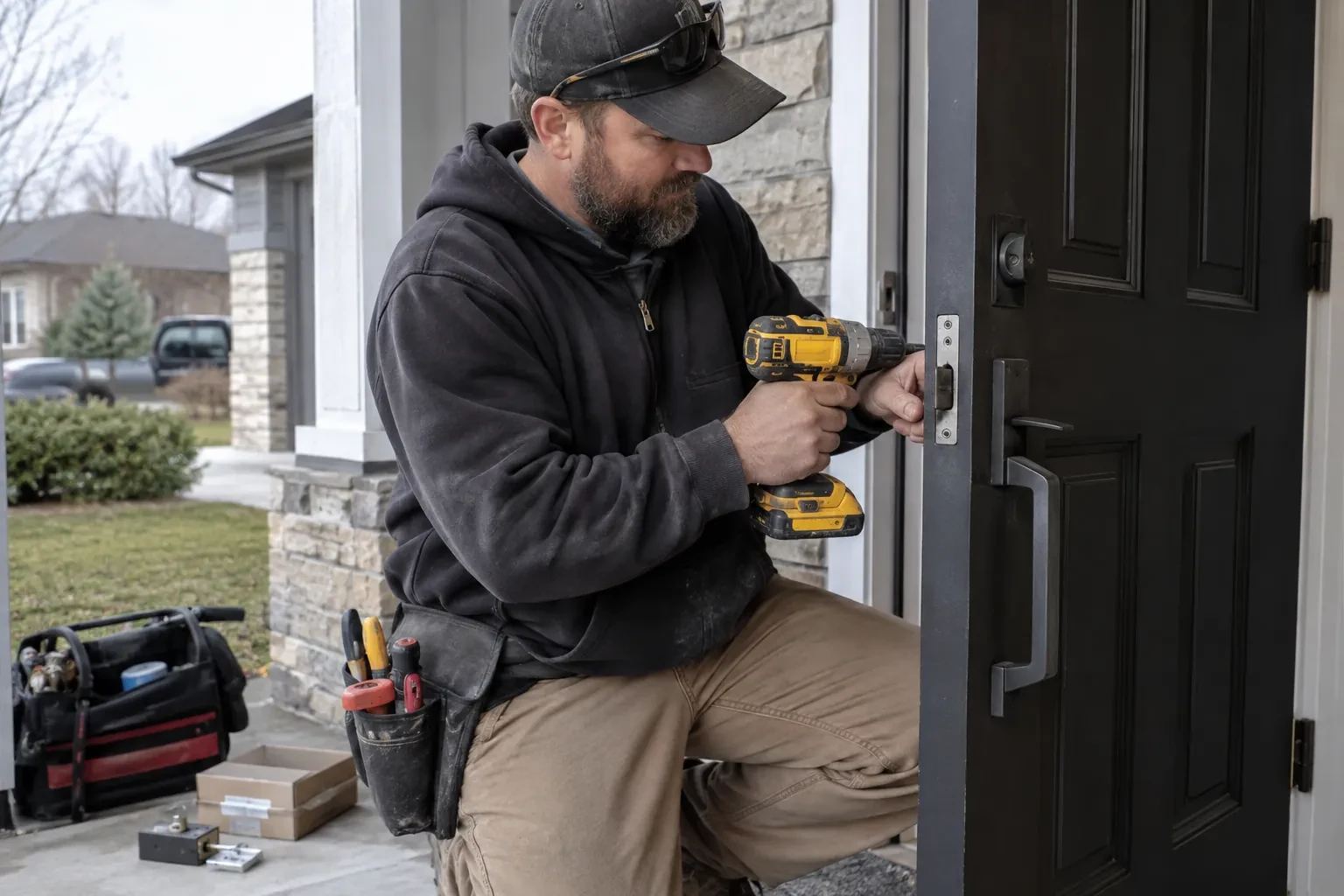
The replacement hardware is chosen for the door and for the attack it suffered. A deadbolt with a full one-inch throw, a hardened insert against sawing and a low-profile face that resists a wrench grip is the usual choice, graded to a recognised durability standard rather than the lightest unit on the shelf. It is matched to the existing bore and backset so no new holes weaken the slab, or the preparation is enlarged cleanly where the old hardware was small. The bolt is tested with the door open, then closed, and the strike adjusted until it throws without dragging. Trim and finish are matched to your other doors where you want that.
New keys and a clean slate
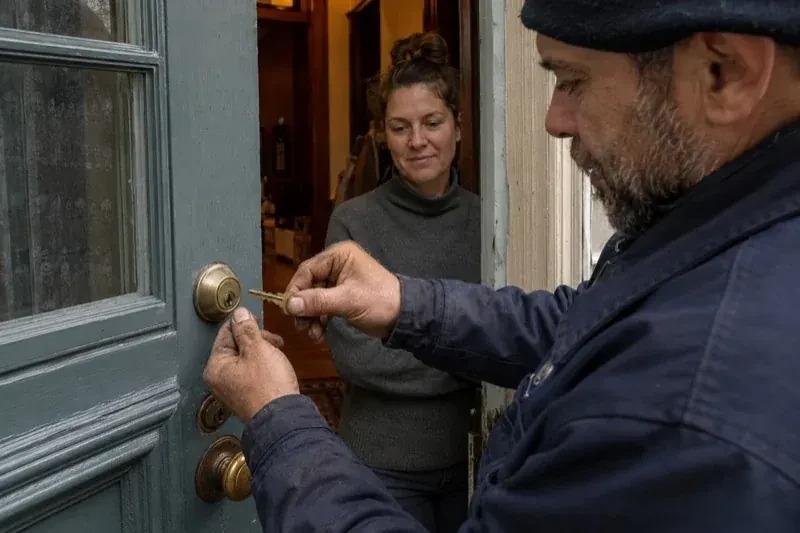
If keys were taken, you now hold a set that fits locks nobody else can open. The cylinders were pinned to a fresh combination and the new keys were cut from that pinning, tested in each door and counted into your hand. It is worth deciding on the spot who gets one and where the spare lives, which is no longer a hook by the door. Garage remotes have been erased and re-paired, and you have been reminded to change alarm codes and any code written on paper that was disturbed. The stolen ring is now a handful of metal that turns nothing.
Break-In Damage Lock Repair
In the van
Wrap-around door edge reinforcer
Replacement cylinder or core
Security strike box
Three-inch strike and hinge screws
Latch guard plate
Break-In Damage Lock Repair
What affects the quote
Grade of the replacement deadbolt
A residential deadbolt with a one-inch throw and hardened insert, a heavier commercial-grade unit and a keypad or smart deadbolt sit at different points, and the quote names the one you choose.
Number of cylinders rekeyed
Every lock a taken key fits is rekeyed individually, so a house with four exterior doors, a mailbox and two padlocks is more work than one front door. Bringing them all onto a single key is part of the count.
Commercial and storefront hardware
Narrow-stile deadbolts, hookbolts, latch guards, anti-pry astragals and interchangeable cores are commercial parts with commercial fitting time, and a shop's quote reflects them.
What to have ready
- Do you own the property, rent it or manage it for someone else?
- Have the police been called, and do you have an occurrence number?
- Have you photographed the damage as you found it?
Break-In Damage Lock Repair: questions
QuestionsWhy did the frame break instead of the lock?
Because that is where the weak point was. A standard strike plate is held by two short screws in a soft wood jamb, and the deadbolt only reaches into a shallow pocket behind it. A kick delivers the full weight of a body to those screws, and the wood around them splits along the grain. The bolt itself is rarely the failure. That is why the repair concentrates on the strike side: a boxed strike, a full-depth pocket and long screws into the stud.
Will my insurer want to see the damage before it is repaired?
Insurers ask policyholders to document the loss, keep damaged property and hold on to receipts, and a securing visit is expected rather than discouraged, because an open door invites more loss. Photograph everything as found, keep the broken hardware in a bag, keep the invoice, and call your insurer as soon as the house is safe. The adjuster can see the old parts and the photos; the door itself need not stay open.
I rent. Who arranges the repair, and can I change the lock myself?
Tell your landlord or property manager as soon as the police have been called; provincial tenancy law makes the landlord responsible for repairs to the unit, and most will arrange the locksmith. A tenant may not change locks without the landlord's agreement, and a landlord who changes them must give the tenant keys, so the visit is coordinated between you. If you arrange securing yourself in an emergency, keep the receipt and the record of what was done for both sides.
Related services
- Business Lockout ServiceA cook stepped into the alley with the recycling and the rear door swung shut behind him.
- Broken Key ExtractionOvernight the deadbolt froze, and this morning the key would only turn partway.
- Seized & Jammed Lock OpeningIt is the coldest morning of the winter and the key goes halfway into the side door and stops.