Car keys · Toronto
Motorcycle & Scooter Keys in Toronto
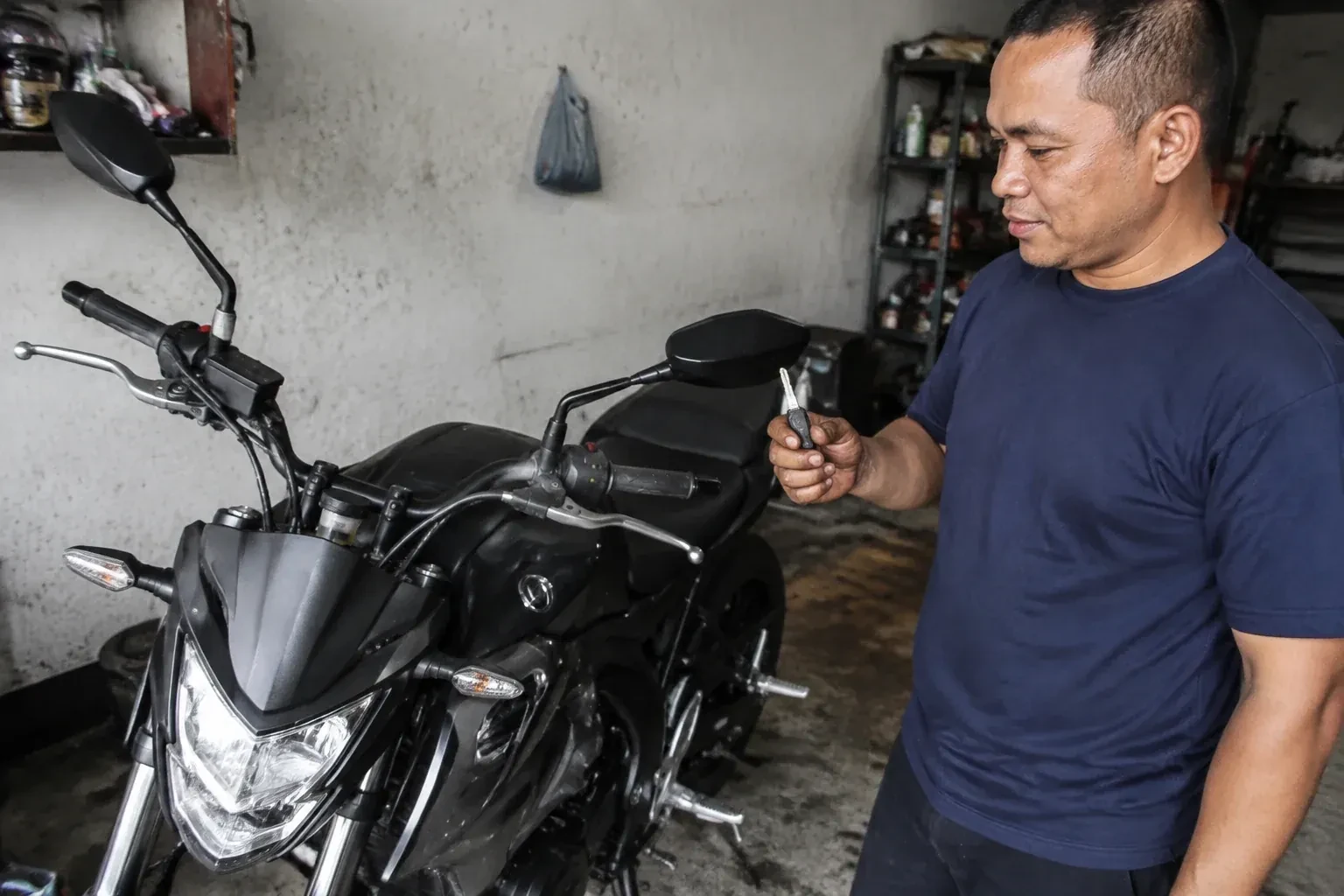
The bike came home from its previous owner with a single worn key that starts the engine but does nothing for the seat latch or the fuel cap, both of which answer to keys nobody handed over.
In plain words
Motorcycle and scooter key service is the work of producing a key that a two-wheeled machine will actually accept, whether that means cutting a plain blade, decoding an ignition lock with no key at all, or programming a transponder that talks to the engine control unit. The locksmith starts by confirming who is asking, then reads the lock and, where fitted, the immobiliser, before choosing whether to cut from an existing key, decode from scratch, or pair a new chip. On many machines the same visit also brings the seat, fuel cap and any storage locks onto the same key as the ignition.
How the visit goesAfter a winter under a cover, the steering lock will not budge. The key seats fully in the barrel, but turning it meets a wall of resistance that no amount of wiggling moves past.
Motorcycle & Scooter Keys
How the visit goes
Any prior work or damage
Before starting, the locksmith asks whether anyone has already tried to open or copy the lock: a hardware-store duplicate that never worked well, a bent key left in the barrel, or an attempt with an improvised tool that scratched the keyway. Any of this changes what is found once the lock is opened up, and knowing about it in advance means the owner is told plainly what was already there rather than assuming new damage happened during the visit. It also sometimes explains a wafer that has been sitting slightly out of place for months.
Freeing a seized steering lock
A steering lock seized by rust, dried grease or months of disuse is worked open with the cleaning method the lock's own maker directs and small, repeated movements rather than a harder push on the key. The locksmith lets the fluid sit, works the lock gently from both directions, and repeats rather than reaching for more force, since a stuck lock forced past its resistance is more likely to break internally than release cleanly. Once it turns freely through its full range, it is cycled several times and dressed with whatever lubricant its maker specifies so it moves easily the next time the machine is parked.
Getting through the next storage season
Heading into a season of outdoor storage, a lock that has just been cleaned and lubricated is in a better position to start the next season the same way it ended this one. A light coat of corrosion inhibitor on an exposed lock face, a cover that keeps direct weather off the ignition and seat area, and keeping the machine somewhere it is not standing in meltwater all help the same mechanism that was just serviced stay free through the months it sits unused. None of this takes long, but it is easy to skip until a stiff lock brings it back to mind.
Motorcycle & Scooter Keys
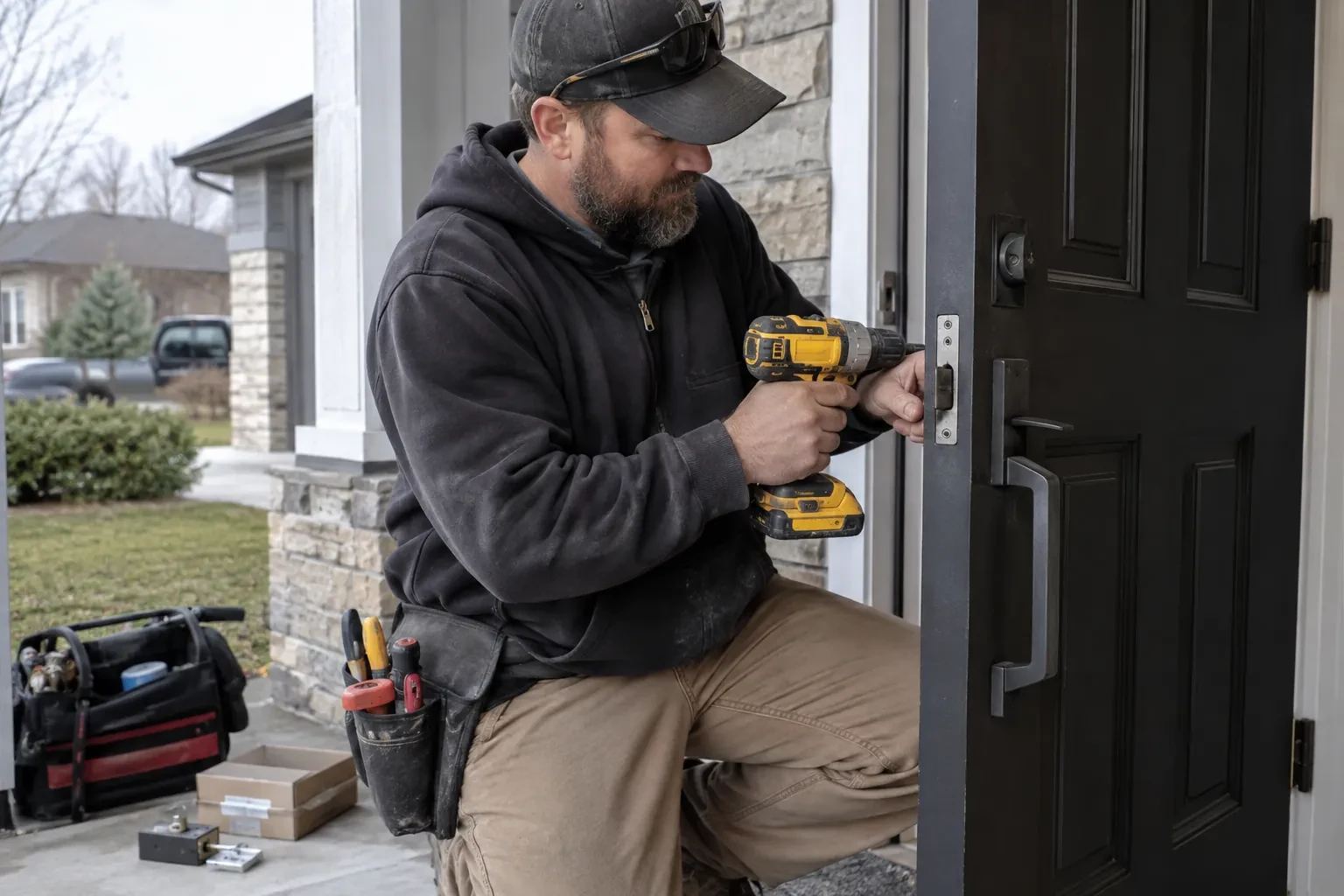
In the van
Motorcycle key blanks
Manufacturer-approved lock cleaner or lubricant
Contact cleaner
Penetrating fluid
Transponder programming unit
Motorcycle & Scooter Keys
What affects the quote
Any prior damage or attempts
Any prior attempt at the lock, a failed hardware-store copy or a scratched keyway, may need to be worked around or corrected before a new key can be properly tested, adding to the job.
Condition of the existing lock
A clean, well-maintained lock accepts a new key with little extra work. One affected by corrosion or grit may need cleaning or light service before a key can be tested reliably against it.
Make, model and age of the machine
Make, model and age decide how common the keyway and blank are. A widely used platform is usually the more straightforward case; an uncommon or older machine can take longer to source parts for.
What to have ready
- Does the engine crank but fail to start with the current key?
- Is the steering lock turning freely, or does it feel stuck?
- Has anyone already tried to cut or copy this key elsewhere?
Motorcycle & Scooter Keys: questions
QuestionsI bought a used bike with just one worn key. What happens now?
The locksmith first identifies every lock on the machine, ignition, seat and fuel cap included, and tests the key that came with it against each one. Whatever the existing key does not already cover is then cut or decoded to match, so the outcome is a complete, known set of keys rather than a single blade of uncertain history. It is a common situation and does not require any prior records to resolve.
What should I have ready before you arrive?
The make, model and year if known, the VIN if it is accessible, which locks are involved, and whether the engine cranks but does not start, which can point toward an immobiliser issue among other ordinary starting-system causes. Mentioning whether any key at all still exists, even a broken or poorly cutting one, changes what equipment comes along, since working from a key is a different job than decoding a lock with nothing to reference.
What is a good way to keep a spare key safe?
Somewhere away from the machine itself is the main principle: not under the seat, in a saddlebag, or taped inside a compartment, since those are the first places anyone checks. A drawer at home, a family member's keyring, or a small lockbox mounted separately all work. Testing the spare on the actual lock before relying on it confirms it will do the job the one time it is needed.
Related services
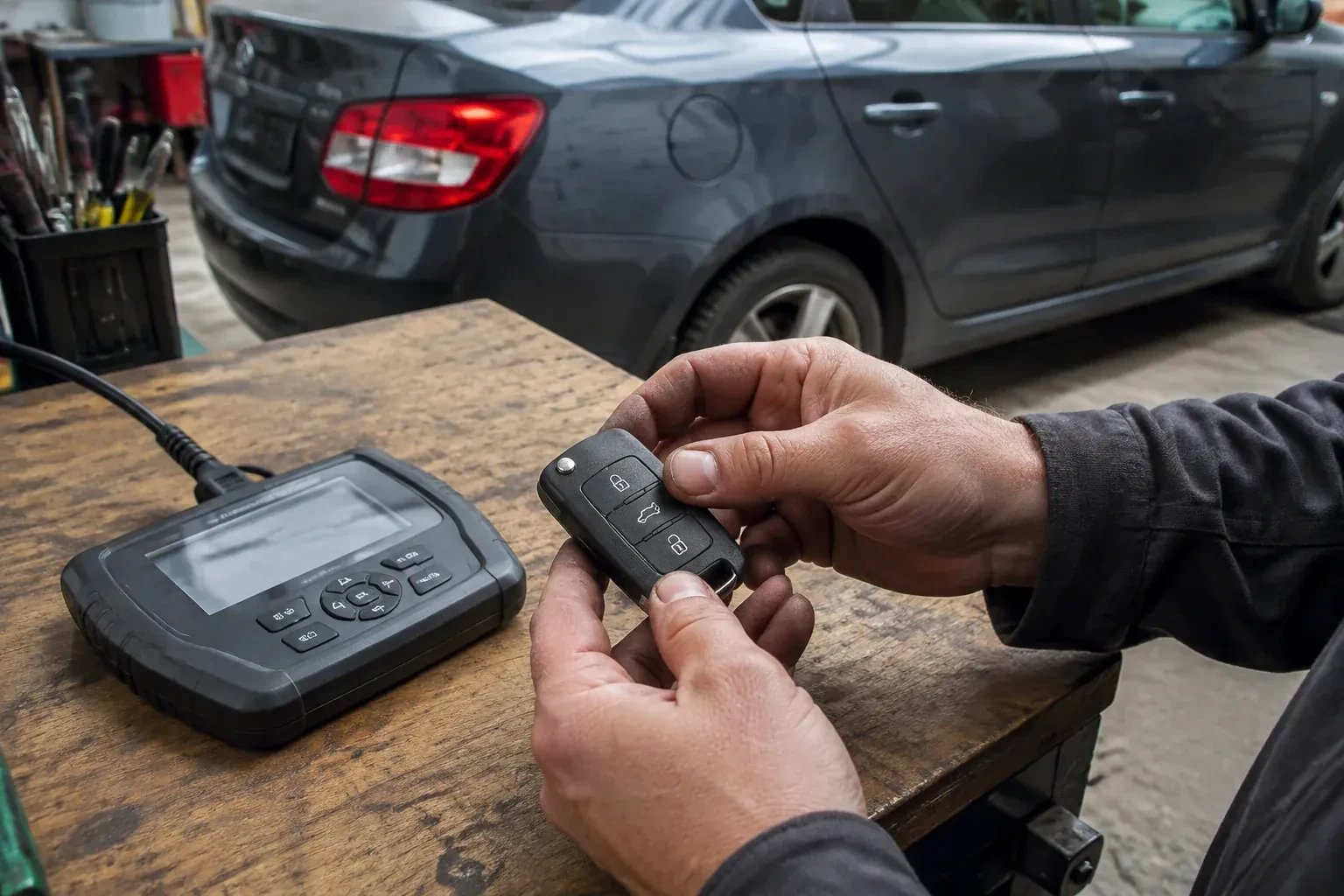
- Car Key ReplacementThe fob went through the washing machine in a jacket pocket.
- Spare Car Key DuplicationThe paperwork for the used car changed hands last week, and the previous owner mentioned, almost as an afterthought, that a second key never turned up.
- Key Fob ProgrammingThe remote clicks the way it always has, but the vehicle no longer locks, unlocks or answers with its usual chirp.