Change or rekey · Toronto
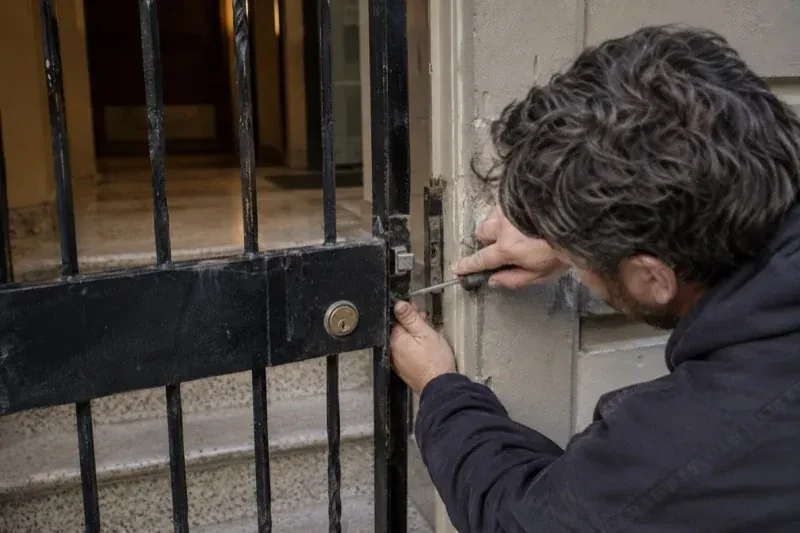
Gate & Building Entry Locks in Toronto
The padlock on the side gate has gone stiff every winter for three years running, and this year the key simply will not turn past the first few pins.
In plain words
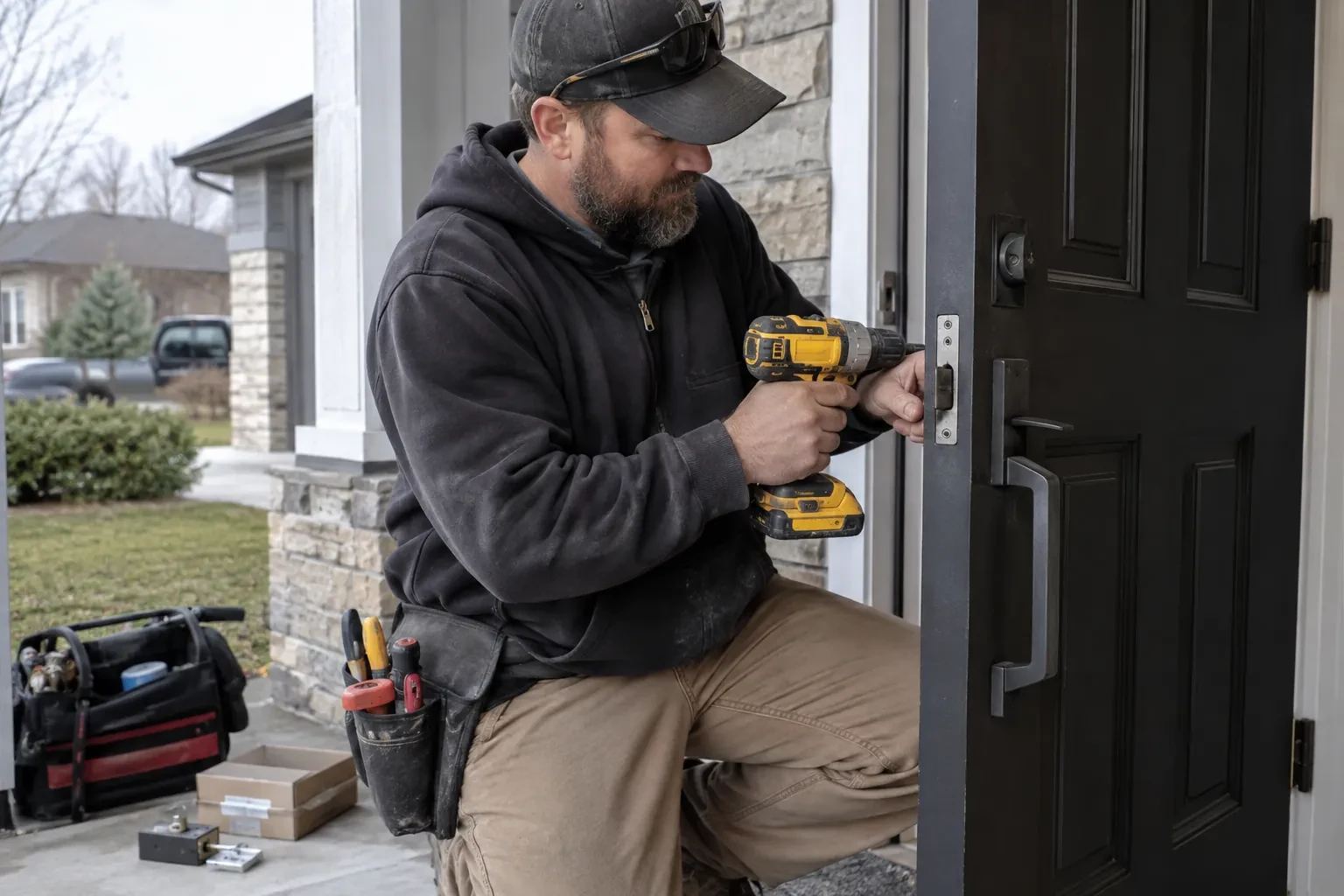
Hardware bolted to a gate or an exterior building door lives outside every day of the year, which is a different job from a lock tucked behind a storm door. This service treats that exposure as the starting point: cylinders rated for weather, fasteners that resist road salt, and a closer set up to keep working through a freeze-thaw cycle rather than seizing at the first cold snap. The result is a gate or entry that keeps operating through the season it is most likely to struggle in.
How the visit goesA neighbour mentions, in passing, that the key from three tenants ago still lets him into the building's front door. Nobody changed it after he moved out, and now the property manager wants to know exactly how many keys are still floating around out there.
Gate & Building Entry Locks
How the visit goes
Checking the closer and hinges together
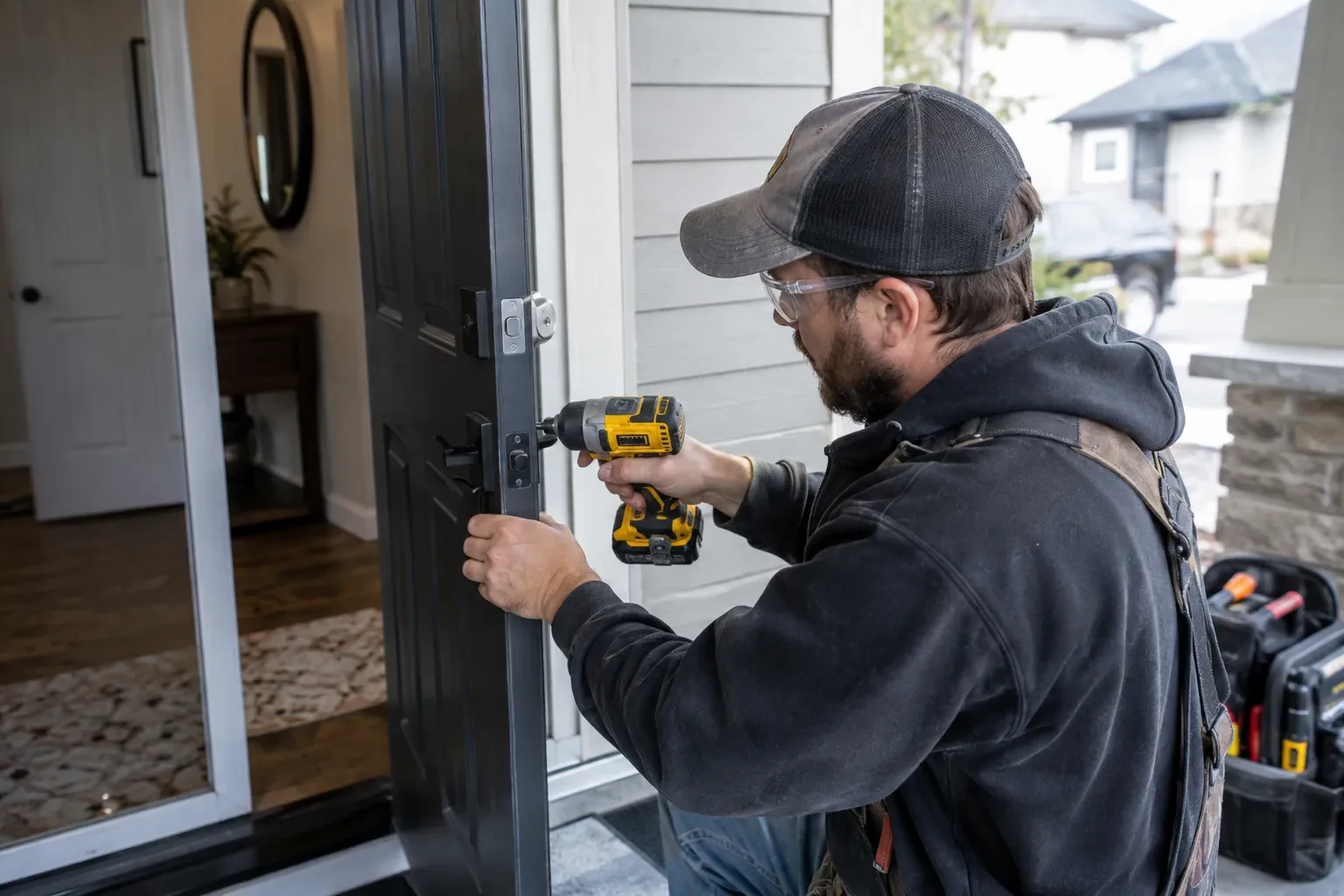
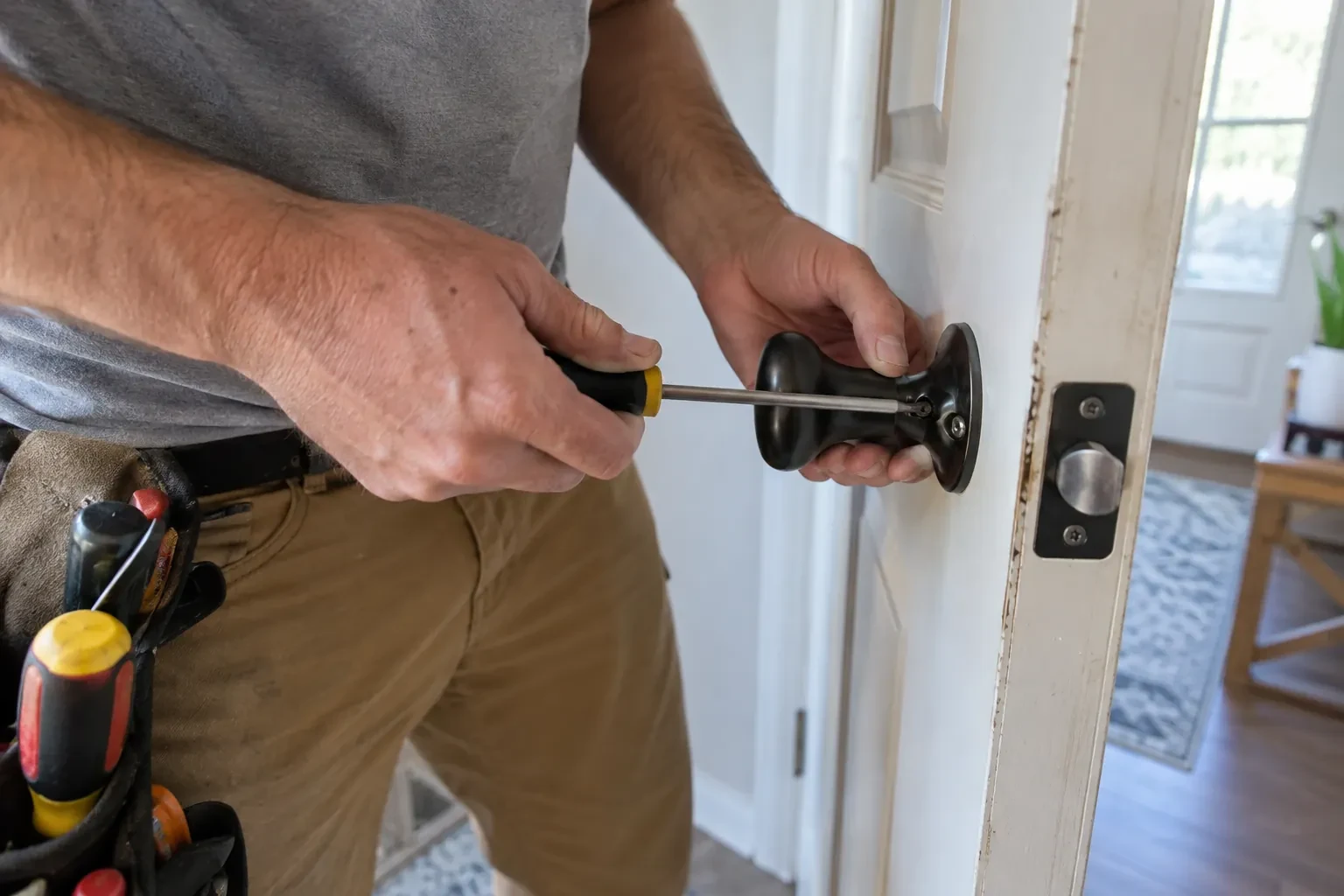
A closer cannot be judged on its own, because a gate that slams or drifts open is often fighting hinges or a post that have moved. The locksmith checks the closer's current adjustment, the condition of its arm and fittings, and then the hinges or pivots the gate hangs from, along with whether the post itself still stands square. Separating a closer problem from a hinge or post problem here avoids replacing a perfectly sound closer that was only ever fighting a leaning post, or the reverse case.
Correcting a frost-heaved or leaning post
When ground movement is the real cause, the fix goes to the post rather than the lock. Depending on what the post is set in, this can mean resetting it plumb, packing or replacing the base it sits in, or adding bracing so it stops drifting with each freeze-thaw cycle. The strike is then repositioned to match the corrected post, and the gate is cycled through several full closes to confirm the latch now meets it consistently, in place of chasing the same misalignment again after the next frost.
A seasonal habit worth keeping
A gate or shared entry that was serviced once benefits from a short look each season afterward, particularly heading into winter: cycling the gate to check the closer still settles it into the latch, glancing at the cylinder for the first signs of pitting, and confirming hinge or post hardware has not worked loose. Catching a stiff cylinder or a slow closer in the fall is a smaller job than reaching the same gate once it is genuinely frozen or has sagged further over a winter of neglect.
Gate & Building Entry Locks
In the van
Corrosion-resistant fasteners
Weather-rated cylinders
Gate and door closers
Voltage tester for electric strikes
Hinges, pivots and shims
Gate & Building Entry Locks
What affects the quote
Whether the property manager or a board is involved
Work on a shared building entry sometimes needs sign-off from a property manager or condo board before proceeding, and coordinating that approval, along with providing a record of the work for their files, is part of the visit.
Weather-rated versus standard hardware
Hardware built and sealed for outdoor exposure differs from standard indoor-grade hardware, and choosing the weather-rated option for anything mounted outside is reflected in the parts portion of the quote.
Time of year and weather on the day
A cylinder frozen solid or a closer stiffened by cold takes patient work before adjustment or replacement can even begin, so a call made during a cold snap is quoted with that extra time in mind.
What to have ready
- Is the gate wood, metal, aluminum or vinyl?
- Which gate or door is giving you trouble?
- Does the entry have a buzzer, keypad or electric strike?
Gate & Building Entry Locks: questions
QuestionsHow do you decide whether to repair a gate lock or replace it?
The decision follows what the assessment actually finds rather than the age of the hardware alone. A cylinder that is only stiff or slightly worn is usually serviced and left in place, while one that is pitted, cracked or built to a grade unsuited to its exposure is replaced. The same logic applies to a closer or hinge: adjustment first, replacement only once the part itself has genuinely failed. You are told which category the hardware fell into and why before any work proceeds.
I rent my unit. Can I request gate or entry lock service myself?
You can certainly call about a problem you are experiencing, such as a side gate that will not latch or a buzzer that stopped working, and the locksmith will look into it. Where the fix touches the shared entry everyone in the building relies on, rather than something specific to your own unit, the work is usually coordinated with whoever manages the property, since a rekey or replacement there affects every current resident, not just the person who noticed the problem first.
A tenant moved out of our building. Do we need to rekey the shared entry?
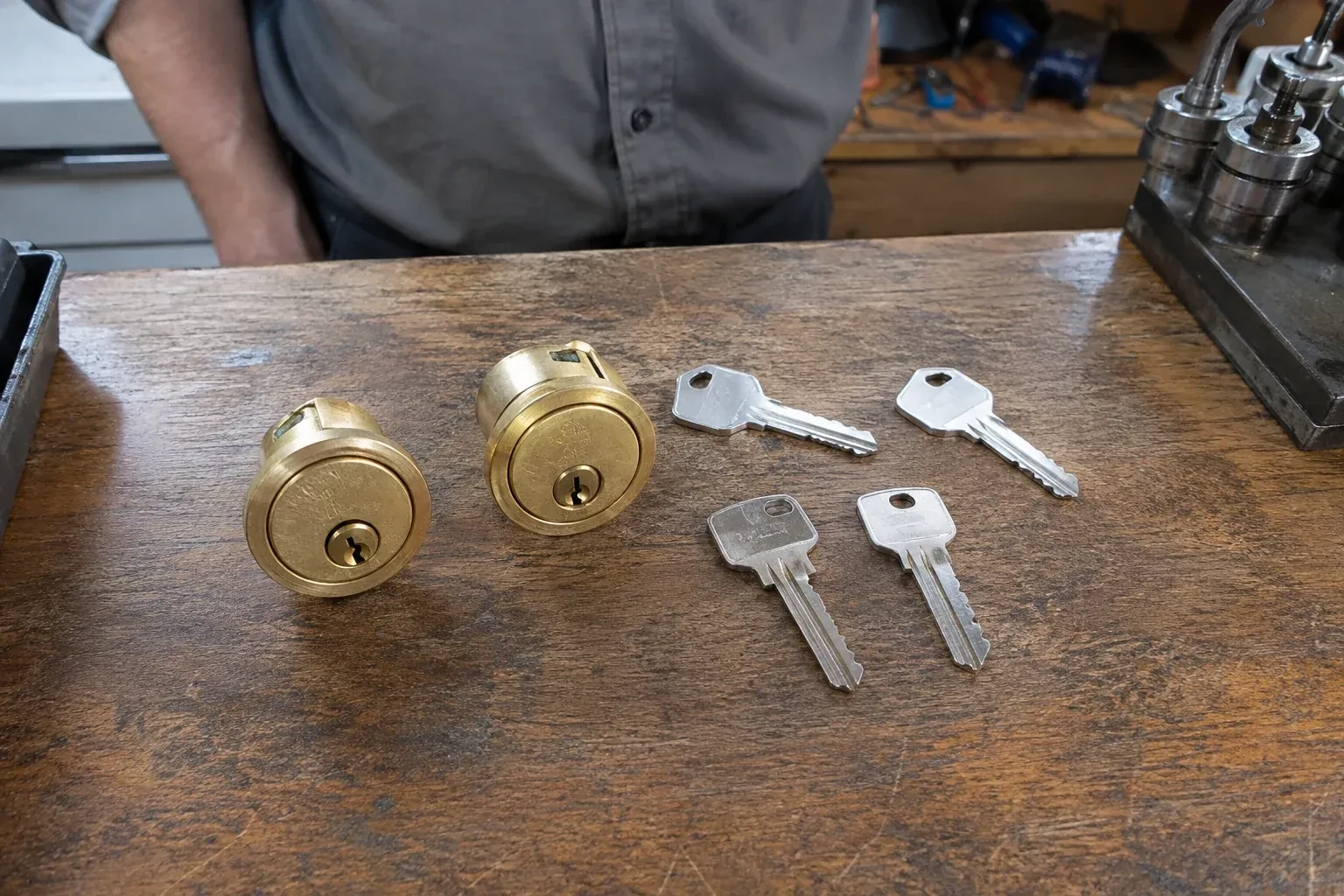
It is worth doing, since a move-out is exactly the situation a rekey is meant to cover: a former tenant's key still operates the same lock everyone currently living there relies on. Rekeying resets the cylinder to a fresh combination and issues new keys to current residents, without requiring a whole new lock in most cases. Bringing any other gates or doors that share that key along at the same time keeps the whole property on one current combination.
Related services
- Deadbolt InstallationYou bought a keypad deadbolt online and pulled the old one off, only to find the hole in the door is a different size and the bolt latch sits at a backset the new kit does not list.
- Lock Replacement & UpgradeSomeone tried the back door while you were away.
- Vintage Mortise Lock ServiceThe brass knob on the front door of your century home turns, but nothing happens on the other side.