Commercial · Wychwood Park
Master Key System Design in Wychwood Park
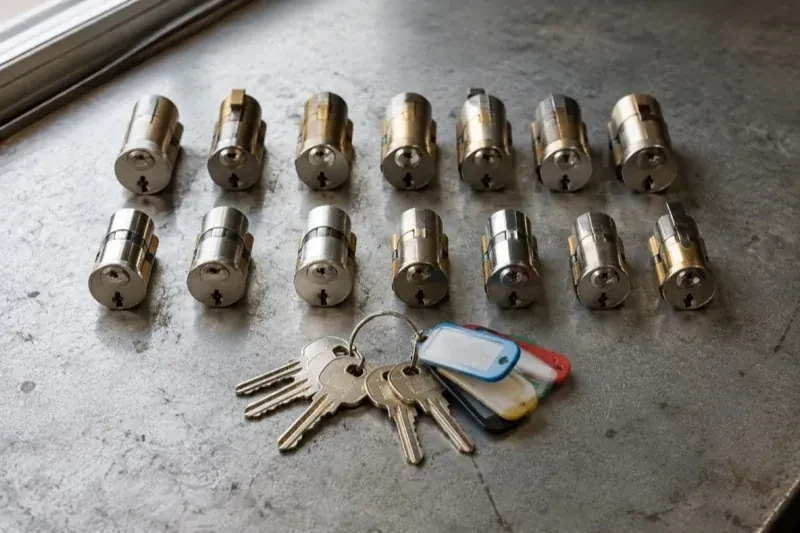
The new wing was built with its own brand of cylinder, so the two-year-old keys from the original building do not open a single door in the addition.
In plain words
Many commercial properties end up with keys copied from other keys over years of staff changes, until nobody can say with confidence what a given key actually opens. Master key system design starts from the opposite direction: an approved list of roles and openings comes first, and the keying follows it. Doors that genuinely need to share access are grouped under a sub-master; doors that do not stay on their own key. Once the hierarchy is agreed, the cylinders are pinned to match it, tested lock by lock, and handed over with a plain record so the business always knows which key belongs where.
How the visit goesThe new wing was built with its own brand of cylinder, so the two-year-old keys from the original building do not open a single door in the addition. Staff are now carrying two separate key rings just to move around one workplace.
Master Key System Design
How the visit goes
Who needs to open what
Before any hardware is chosen, the locksmith records the organization's actual shape: which roles, departments or shifts need access to which doors, including exceptions such as a bookkeeper who needs the records room but not the loading dock. This map is built with the owner or manager, not guessed from existing keys, since existing keys often reflect years of ad hoc copying rather than any real plan. The output is a plain list of who should open what, which becomes the target the rest of the design is measured against, well before a single cylinder is touched or a key is cut.
Working around a building that is already occupied
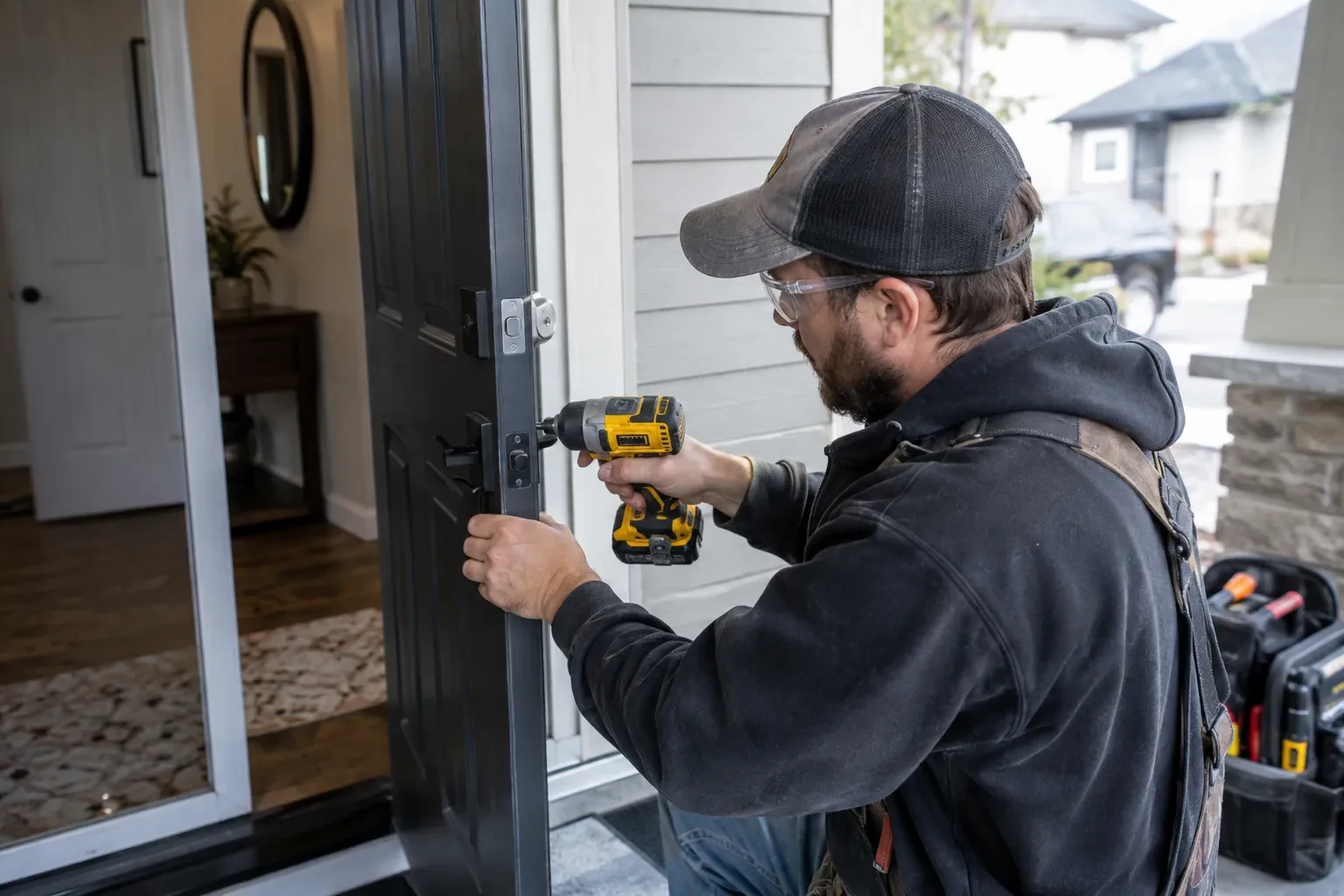
In an occupied property, doors are rekeyed in a planned order rather than all at once, so a department is never left without a working key partway through a shift. Interim arrangements, such as a temporary key for a door being converted to a new level, are agreed in advance and closed out the same visit they are used. This staged approach lets a business keep operating through the change instead of losing access to parts of the building while the new hierarchy is being built.
A building that finally matches its own org chart
The most visible change is often the simplest one: the level of key someone carries now matches the role they actually hold, instead of matching whatever happened to be handed down or copied over the years. Walking the building afterward, each door answers to keys that were deliberately assigned to it, and the chart in the office explains every one of those decisions to anyone who asks about it.
Master Key System Design
In the van
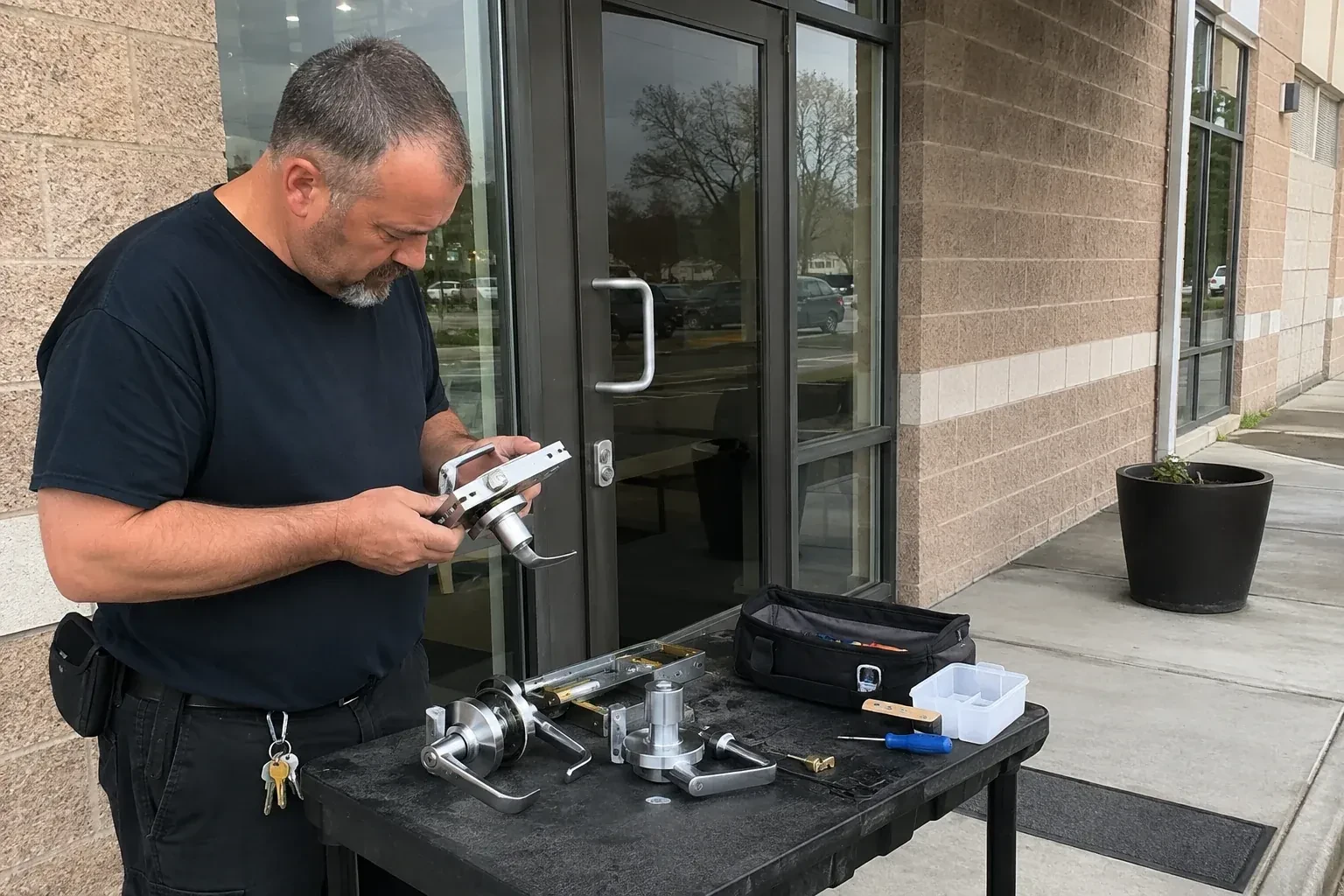
Cylinder pinning kit
Key marking tools
Cylinder decoders
Compatible replacement cylinders
Restricted or standard key blanks

Master Key System Design
What affects the quote
Electronic locks alongside mechanical keys
Where keypad or card doors need to line up with the mechanical hierarchy, the quote includes the extra coordination of matching access levels across both systems and pinning any mechanical override cylinders into the same chart as the rest of the property.
Compatibility of existing hardware
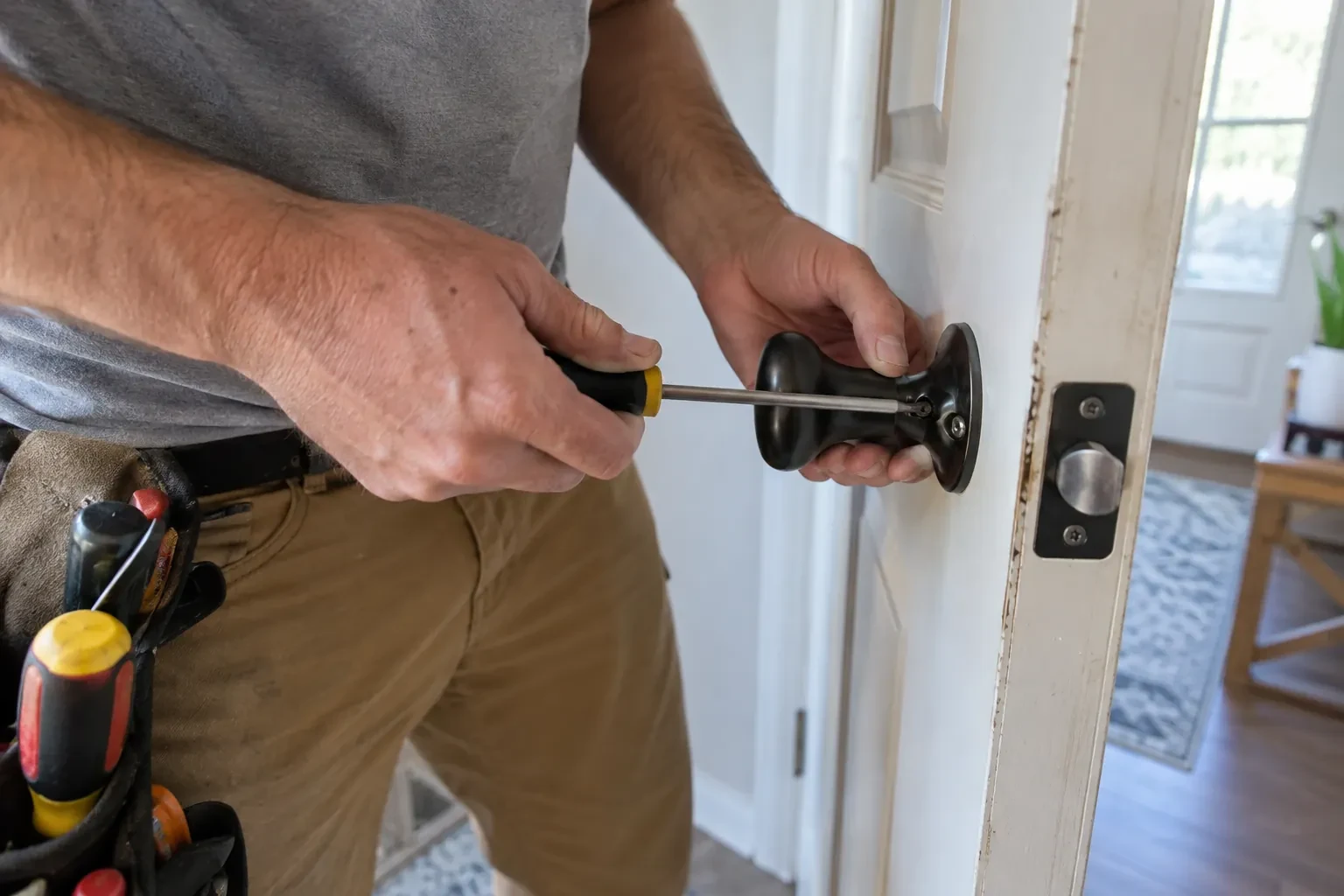
Cylinders that can join the new hierarchy without modification keep the project smaller. Hardware that is mismatched, worn or built on an incompatible keyway needs replacing to fit cleanly into the plan, and that replacement hardware is a separate line from the design and pinning work.
Administrator training and handover time
Walking the named administrator through the chart, the issuance process and how to handle a future lost key or new hire takes a defined amount of time on the day of handover, and a more detailed walkthrough for a larger, multi-level system takes longer than a simple one.
What to have ready
- Which roles or departments need genuinely different levels of access?
- Is there an existing chart, or is this starting from scratch?
- Is a top-level master needed, and for how many people?
Master Key System Design: questions
QuestionsDo all the doors on my property need to be part of the master system?
No. Some doors, such as a private office or a room with a single regular user, can reasonably stay on their own key outside the hierarchy if there is no real benefit to including them. The assessment is partly about deciding which doors belong in the system and which are simpler left alone, rather than assuming every lock has to join.
What happens if a department splits or a business reorganizes?
The existing chart is the starting point rather than a blank page. Doors that move to a new department are reassigned within the existing hierarchy where the cylinders and platform allow it, and only the affected levels are touched. A reorganization is usually an adjustment to the record, not a reason to rebuild the whole system from the ground up.
Can a master key system be expanded later without redesigning it?
Usually yes, if spare capacity was planned into the keying platform from the start. A new hire is normally handed a copy of the bitting their role already calls for, and a realistic new door can be pinned to accept a combination already reserved for that purpose. A system pinned to its absolute limit on day one has less room to grow, and adding a level to existing doors later can mean repinning cylinders that are already in daily use.
Related services
- Access Control InstallationThe team has grown past the point where one shared key still makes sense.
- Panic & Exit HardwareThe daycare wants the yard gate and the classroom door alarmed so a staff member hears the moment it opens, without turning either into something a child could be shut behind.
- Commercial-Grade Lock ReplacementAt closing time the hookbolt on the storefront door catches the keeper only on the second or third try, and one employee has started giving the door a shoulder to force it home.